
Diastata
Diastata
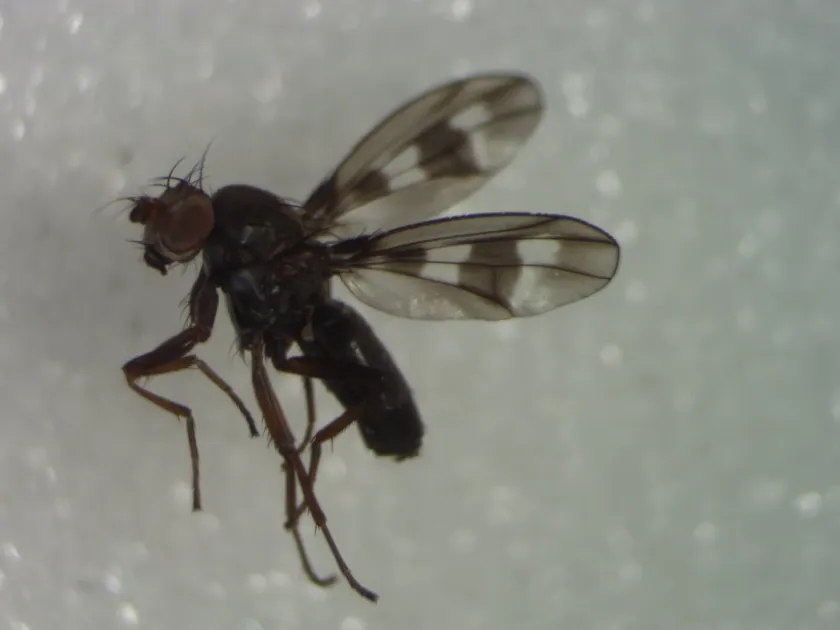
Description
How to identify
Diastata is a genus of flies belonging to the family Diastatidae, order Diptera. These small flies are often overlooked due to their resemblance to common vinegar flies, yet they possess distinct morphological features.
Adult Diastata flies are characterized by specific wing venation patterns, which are essential for correct taxonomic identification by entomologists.
The life cycle follows a complete metamorphosis, including egg, larval, pupal, and adult stages, each adapted to survive in moist microclimates.
Larvae are legless and possess specialized mouthparts that enable them to feed on the interior tissues of soft fruits and berries.
Accurate identification is the first step in successful pest management, requiring professional observation during the onset of the fruiting season.
What it damages
The primary damage caused by Diastata involves larvae feeding on ripening or damaged fruits, which leads to tissue degradation and rot.
By entering fruits through micro-cracks or natural openings, the larvae compromise the integrity of the harvest, making it unsellable.
Their feeding activity promotes the development of secondary infections, such as mold and fungal pathogens, which further accelerate the decay of the affected fruit.
Berries and stone fruits are particularly susceptible to Diastata infestation during humid weather conditions, leading to substantial yield losses.
Damage is often localized but can spread rapidly if initial infestations are not addressed through sanitation and timely harvest practices.
When it appears
Diastata adults become active during the spring and remain a concern throughout the summer and early autumn, provided environmental conditions are suitable.
Population peaks are typically observed during the period of fruit maturation, when chemical cues from ripening fruits attract the flies for oviposition.
The duration of the life cycle is highly temperature-dependent, with warmer climates significantly shortening the time required for development.
In greenhouses or controlled environments, Diastata can maintain continuous breeding cycles, posing a year-round threat to high-value produce.
The flies and pupae often overwinter in plant debris, soil, or sheltered crevices, emerging again when temperatures rise to resume their life cycle.
Signs of infestation
Signs of infestation include small entry holes on the skin of the fruit, often surrounded by darkened, sunken areas of necrotic tissue.
A fermented or acidic odor may emanate from affected fruits, indicating that the internal tissues have been consumed and are decaying.
Presence of larvae inside the fruit pulp is the definitive sign of infestation, often detectable once the fruit has begun to soften or collapse.
Premature fruit drop is a common symptom, serving as an indicator for gardeners to inspect the fallen fruits for larval activity.
- Visible puncture marks on berries.
- Rapid softening of fruit texture.
- Discoloration of the flesh.
- Presence of fungal growth following larval damage.
Control measures
Effective control relies heavily on integrated pest management (IPM) practices, starting with the prompt removal and destruction of fallen or infested fruits.
Cultural practices such as proper pruning and weeding help reduce humidity within the orchard, making the environment less favorable for the fly.
Monitoring using food-based bait traps or sticky traps helps determine the timing for intervention before the pest population reaches damaging levels.
Chemical control should be applied judiciously, ensuring compliance with pre-harvest intervals to guarantee food safety for consumers.
Maintaining a tidy orchard and harvesting crops as soon as they reach maturity prevents the buildup of the pest population on overripe produce.
Taxonomy
- Latin name
- Diastata
- Order
- Diptera (flies)
- Family
- Diastatidae
- EPPO code
- DSTTSP
Discussion
No discussions yet — be the first.