
Diarsia mendica
Diarsia mendica
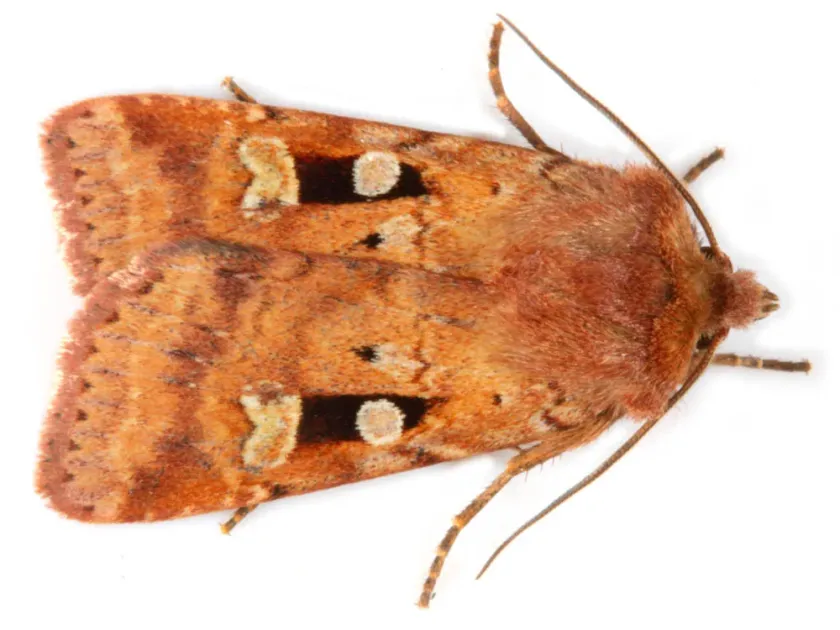
Description
How to identify
Diarsia mendica is a species of moth belonging to the Noctuidae family, commonly referred to as the silky shears in some regions.
The adult moth has a wingspan of approximately 35-40 mm, with forewings that display a range of light brown to ochre tones, often featuring darker markings.
The larvae, or caterpillars, are known for their polyphagous behavior, meaning they feed on a wide variety of plant species throughout their developmental stages.
These insects are typically found in various habitats, including woodlands and agricultural environments, where they find suitable conditions for reproduction.
The biological cycle consists of four distinct stages: egg, larva, pupa, and adult, with the larval stage being the most critical for agricultural management.
What it damages
This pest causes damage to a broad spectrum of crops by feeding on leaves, stems, and occasionally reproductive parts of plants during the night.
Cereal crops are particularly susceptible, as larval feeding can lead to significant defoliation, reducing the plant's ability to photosynthesize effectively.
In addition to field crops, the pest may affect vegetables and root crops, causing localized damage that lowers the overall quality and marketability of the produce.
Severe infestations can result in stunted growth, increased plant vulnerability to diseases, and direct losses in total yield for the farmer.
The feeding patterns often start from the leaf margins, progressing inward as the larvae mature and their demand for nutritional intake increases.
When it appears
Adult moths are generally active from late spring through the summer months, with peaks in population depending on local climatic conditions.
The larvae are most active during the summer and early autumn, which is when they undergo rapid development before transitioning into the pupal stage.
Overwintering typically occurs in the larval stage, buried in the soil or hiding beneath dense plant debris, protecting them from harsh weather.
As temperatures rise in the spring, the larvae emerge from their dormant state and resume feeding, often causing damage to young emerging crops.
The number of generations per year is heavily dependent on the climate, with warmer regions potentially experiencing two generations within a single season.
Signs of infestation
The primary visual sign of infestation includes ragged, irregular holes in the leaf blades caused by the nocturnal feeding of caterpillars.
Dark frass, or larval excrement, deposited on the surface of leaves and near the base of the stem is a clear indicator of the pest's presence.
Wilting of young shoots and an uneven plant canopy can indicate that the larvae are targeting the growing points of the host crops.
Finding caterpillars hiding in the surface layers of the soil near the plant base during the daytime confirms an infestation of this species.
Stunted development of affected plants, even if they remain alive, often points to a loss of foliage area that prevents the plant from maturing correctly.
Control measures
Effective management includes implementing a diverse crop rotation strategy to break the life cycle of the pest in the field.
Mechanical control, such as thorough soil cultivation after harvest, helps to destroy overwintering larvae and pupae within the topsoil.
Chemical control involving the application of registered insecticides is recommended when larval populations exceed established economic thresholds.
Biological control methods, such as the use of natural predators or specific microbial pesticides, are effective in reducing chemical reliance.
Monitoring using light or pheromone traps provides essential data on adult moth flight, allowing for timely decision-making before damage escalates.
Taxonomy
- Latin name
- Diarsia mendica
- Order
- Lepidoptera (butterflies)
- Family
- Noctuidae
- EPPO code
- DIRSME
Discussion
No discussions yet — be the first.