
Diarsia
Diarsia
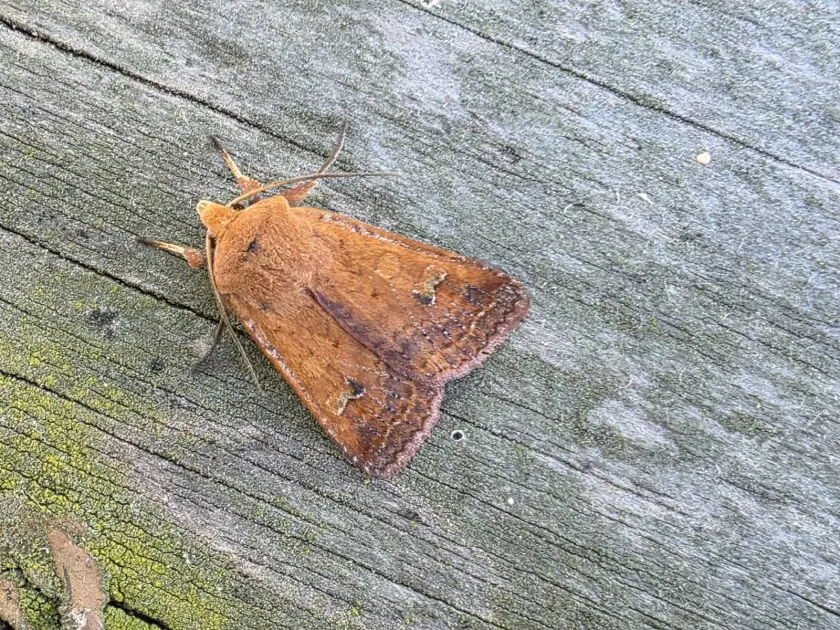
Description
How to identify
Diarsia is a genus of moths belonging to the family Noctuidae, order Lepidoptera. Adult moths typically feature a wingspan of 30–40 mm with cryptic coloration ranging from pale brown to dark reddish-brown, which provides camouflage during daylight hours when they rest on bark or plant debris.
The larvae, known as cutworms, have a stout, cylindrical body with coloration that matches the soil environment (dull gray, brown, or earthy tones). Their head is usually marked with a distinct reticulated pattern, and they possess a smooth skin texture.
The life cycle involves complete metamorphosis: egg, larva, pupa, and adult. Depending on the species and climate, they may complete one or two generations per year, with the larval stage being the most destructive to agricultural crops.
These pests generally overwinter as larvae of various instars, burying themselves in the soil or hiding under leaf litter. With the arrival of spring, they emerge to feed on developing vegetation before pupating in the soil.
Adult moths are nocturnal, actively flying and mating at night. Females deposit their eggs on the soil surface or the lower leaves of host plants, ensuring that emerging larvae have immediate access to a food source.
What it damages
Diarsia larvae are polyphagous, meaning they feed on a wide variety of plants including cereals, vegetables, berries, and ornamental crops. They are particularly devastating to young seedlings, as they cut through the stems at the base.
The most severe damage occurs early in the growing season when the plants are small and vulnerable. A single larva can destroy multiple seedlings in a row during a single night, often leading to significant stand loss in agricultural fields.
In addition to cutting stems, older larvae may consume foliage or feed on roots, which stunts plant growth and prevents proper development. This indirect damage often leads to uneven maturation of the crop and reduced final yields.
Injuries caused by larval feeding expose plant tissues to secondary infections by pathogens, such as bacteria and fungi, which can cause rotting of the crown or root system, potentially killing the plant even if the initial cut was not lethal.
Mass outbreaks can cause total crop failure if not addressed. Because they work at night and hide in the soil during the day, their impact is often underestimated until significant economic damage has already occurred.
Signs of infestation
The most prominent sign of a Diarsia infestation is the presence of toppled seedlings in the field, often with the stem chewed through just above or below the soil line. These areas usually appear as patches of wilting or missing plants.
Larval frass (excrement) in the form of small, dark pellets near the base of the plant is a reliable indicator of active feeding. On closer inspection of the surrounding soil, curled-up larvae can often be found just below the surface.
Foliar feeding, such as notched or ragged leaf edges on low-growing vegetation, also indicates their presence. During the night, an inspection with a flashlight can reveal the larvae actively feeding on the crop canopy.
Monitoring using pheromone traps for adult moths helps determine the timing of the next generation of larvae. This allows farmers to prepare for potential infestations based on the flight activity of the adults.
Birds flocking to a field in the early morning to forage are often a sign that larvae have been disturbed or exposed, indicating a high population density of soil-dwelling caterpillars in that specific area.
Control measures
Effective control of Diarsia requires an integrated approach. Deep autumn plowing is a critical cultural practice that exposes overwintering larvae and pupae to predators, weather extremes, and mechanical damage, significantly reducing their numbers.
Maintaining a weed-free environment in and around the fields is essential, as many cutworm species rely on early-season weeds for survival before transitioning to cultivated crops. Removing alternative hosts reduces the overall attractiveness of the site.
Chemical control involving insecticides should be timed for the evening when the larvae are most active on the soil surface. Products belonging to the pyrethroid or neonicotinoid classes are commonly used, though rotation is necessary to prevent resistance.
Biological controls, including the application of B. thuringiensis (Bt) or entomopathogenic nematodes, are highly effective against soil-borne larvae. These methods are preferred in organic and sustainable farming systems to minimize impacts on non-target species.
Early-season monitoring and the use of scouting techniques are vital for economic management. By identifying the problem before significant damage occurs, farmers can target specific areas of the field rather than applying preventative treatments to the entire acreage.
Taxonomy
- Latin name
- Diarsia
- Order
- Lepidoptera (butterflies)
- Family
- Noctuidae
- EPPO code
- DIRSSP
Discussion
No discussions yet — be the first.