
Cytodites
Cytodites
Description
How to identify
Cytodites (Cytodites nudus) is a microscopic parasitic mite belonging to the Cytoditidae family. Unlike most mites, this species is an endoparasite that lives inside the body of birds.
The mite is extremely small, transparent, and oval-shaped. Its specialized physiology allows it to thrive in the avian respiratory tract and internal cavities, hidden from view.
The life cycle occurs entirely within the host. Adult mites lay eggs, which develop into larvae and then nymphs before reaching maturity, all while residing within the bird's organs.
The transmission of this parasite between birds occurs via direct contact or inhalation of contaminated dust containing eggs, facilitating rapid spread within a flock.
Because the mites inhabit the lungs, trachea, and air sacs, they remain inaccessible to external environmental factors, making them difficult to eradicate without specific veterinary treatment.
What it damages
Cytodites primarily affects domestic poultry, including chickens, turkeys, pheasants, and various game birds. It is a serious concern for commercial and backyard farming.
The mites predominantly inhabit the respiratory system. They settle in the trachea, bronchi, lungs, and the delicate membranes of the air sacs, causing mechanical irritation.
In severe cases, the infestation extends to the thoracic and abdominal cavities, affecting vital organs such as the liver and kidneys, leading to systemic failure.
Young birds are particularly vulnerable to infestation. High density in coops often exacerbates the damage, as birds breathe in air saturated with mite eggs and debris.
The primary harm is physical damage to the respiratory tissues, which triggers inflammation, mucus production, and eventual asphyxiation of the birds.
Signs of infestation
Common symptoms include audible respiratory distress, such as wheezing, clicking sounds, and frequent mouth-opening as the bird gasps for air.
Affected birds show a significant decline in general condition, characterized by lethargy, weight loss, and a decrease in egg production.
In advanced stages of the disease, the combs and wattles may become pale or cyanotic due to oxygen deprivation caused by the obstructed airway.
Physical exhaustion and poor feather quality are typical signs, as the bird directs all energy toward surviving the internal parasite burden.
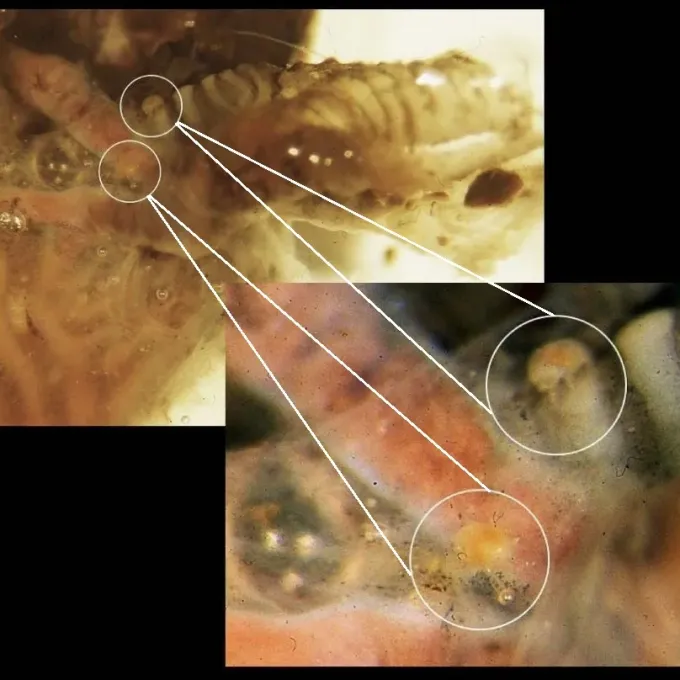
Diagnosis is confirmed through necropsy, where yellowish-white clusters of mites are found on the surface of the air sacs and within the lung tissues.
Control measures
Effective management requires strict adherence to poultry hygiene standards. Maintaining clean coops and low humidity levels reduces the survival rate of mite eggs.
Veterinary intervention is necessary for control. Targeted acaricidal treatments administered via aerosol sprays or medicated water are standard practices for therapy.
Implementing a strict quarantine for new additions to the flock prevents the introduction of these parasites into an otherwise healthy population.
Improving flock immunity through balanced nutrition and vitamin supplementation helps birds cope with the stress caused by the infestation.
- Regular inspection of flock respiratory health.
- Thorough cleaning and disinfection of housing equipment.
- Culling of severely infested individuals to limit spread.
Taxonomy
- Latin name
- Cytodites
- Order
- Mites
- Family
- Cytoditidae
- EPPO code
- CYTDSP
Discussion
No discussions yet — be the first.