
Intermediate Cucullia
Cucullia intermedia
Description
How to identify
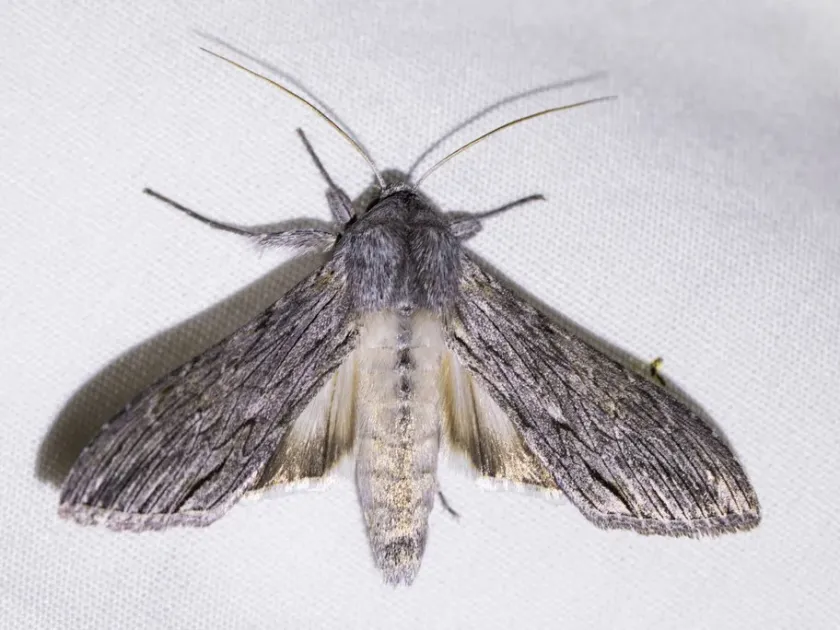
The Intermediate Cucullia (Cucullia intermedia) is a moth belonging to the Noctuidae family, easily recognized by the tuft of scales on its thorax resembling a hood.
The adult moth features cryptic coloration with grey and brown patterns that help it blend seamlessly into its natural environment, such as tree bark or dry plant stalks.
The larvae, or caterpillars, are often brightly colored, a strategy used to warn potential predators about their chemical defenses or unpalatability.
The pupal stage occurs within a robust cocoon located either in the soil or protected spaces, ensuring survival throughout the unfavorable season.
Morphologically, this species exhibits features typical of the Cucullia genus, with well-developed wings for nocturnal flight.
What it damages
The larvae are specialized feeders that primarily target plants from the Asteraceae family, including various weeds and ornamental perennials.
Feeding on leaves causes significant defoliation, which reduces the plant's ability to undergo photosynthesis and store essential energy.
In cases of heavy infestation, larvae may consume not only foliage but also flower buds, leading to a loss in ornamental or harvest value.
The damage often leaves distinct skeletonized leaves or irregular notches along the margins, which are characteristic of larger caterpillar feeding.
While not a major agricultural pest, it can cause localized economic damage in gardens and specialized nurseries if left unmanaged.
When it appears
Adult moths typically emerge in late spring, marking the beginning of their reproductive cycle for the season.
The caterpillar stage is most active during the summer months, aligning with the lush vegetative growth of their host plants.
Lifecycle timing is highly dependent on ambient temperature, which dictates the rate of larval development and subsequent pupation.
The species overwinters in the pupal stage, buried within the soil, allowing it to survive frost and winter conditions effectively.
Multi-generational development may occur in warmer climates, leading to prolonged pressure on susceptible plant populations.
Signs of infestation
Signs of infestation include irregular holes appearing in leaves, often found during the peak of the caterpillar's growth phase.
Dark fecal pellets deposited on the leaves or at the base of the plant are a clear indicator of larval presence.
Visual observation during the early morning or evening hours reveals the presence of larvae feeding on the foliage.
Stunted growth or wilting of individual branches can occur if the larvae target the tender growth tips or stems of the plant.
Visible damage to the flower heads of host plants often suggests that the larvae have reached a mature developmental stage.
Control measures
Manual removal of caterpillars is highly effective in home gardens, especially when performed early in the infestation cycle.
Maintaining a weed-free environment and removing host plants like goldenrod or mugwort can significantly reduce the local population.
Biological control methods, such as utilizing Bacillus thuringiensis, provide a targeted and environmentally friendly approach to larval management.
Chemical intervention should be reserved for severe outbreaks where other cultural and biological methods have failed to prevent damage.
- Regular monitoring of host plants.
- Encouraging natural predators like birds and parasitic wasps.
- Soil cultivation to disrupt pupal overwintering sites.
Taxonomy
- Latin name
- Cucullia intermedia
- Order
- Lepidoptera (butterflies)
- Family
- Noctuidae
- EPPO code
- CCULIN
Discussion
No discussions yet — be the first.