
Mullein moth
Cucullia
Description
How to identify
The genus Cucullia, commonly known as Mullein moths, belongs to the family Noctuidae and the order Lepidoptera. Adult moths are characterized by their narrow, elongated wings and a distinct tuft of hair on the thorax, which resembles a hood, giving them their common name.
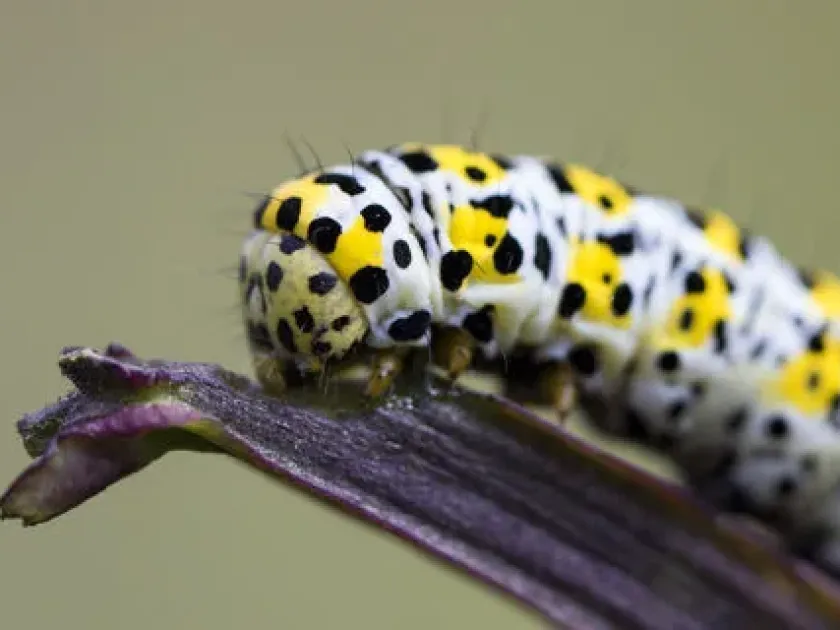
The larvae, or caterpillars, are typically large and strikingly colored. Unlike many other moth species that hide during the day, Mullein moth caterpillars are often found feeding openly on the host plants, making them relatively easy to spot if you know what to look for.
Their coloration serves as a warning signal; they often exhibit bright bands or spots of yellow, orange, or red against a darker background. This pattern allows them to blend in with the flowering structures of their host plants while they consume them.
The genus is widespread across the Palearctic region. Well-known species include the Mullein moth (Cucullia verbasci) and the Chamomile shark, which can cause significant damage to ornamental and medicinal gardens when populations reach high numbers.
Pupation typically occurs underground or in a tough, camouflaged cocoon integrated with plant debris. This life stage is highly resilient, allowing the species to survive harsh winter conditions in the soil.
What it damages
These pests show a strong preference for plants in the families Asteraceae and Scrophulariaceae. Primary targets include Verbascum (mullein), various chamomile species, and common garden ornamentals such as asters, chrysanthemums, and carnations.
The larvae are voracious feeders, focusing their attention on the reproductive parts of the plant. They aggressively consume flower buds and fully developed blossoms, which prevents seed production and ruins the aesthetic value of ornamental plants.
Beyond the flowers, caterpillars will also feed on foliage, sometimes reducing leaves to mere skeletons. This extensive defoliation compromises the plant's ability to photosynthesize, leading to stunted growth and reduced vigor.
In commercial operations, such as medicinal herb farming or floriculture, an infestation can lead to substantial economic losses. Furthermore, the feeding sites often create entry points for secondary pathogens like fungi or bacteria.
Because the larvae are often camouflaged to match the flower heads, early-stage infestations can be difficult to detect. By the time the damage becomes obvious to the gardener or farmer, the larvae may be fully grown.
When it appears
Mullein moths generally complete one or two generations per year, depending on the local climate and temperature profiles. The flight season for adults usually begins in late spring, coinciding with the availability of suitable host plants.
Eggs are laid by the females on or near the host plant. The larval growth phase is relatively quick, typically occurring during the peak of the summer months, which provides them with an abundant food source.
Pupation takes place throughout the late summer and early autumn. The pupae overwinter within the soil or in sheltered crevices, ensuring the survival of the population and setting the stage for the following year's cycle.
The most active feeding period for the caterpillars is from June through August. This is the critical window for monitoring and management, as the caterpillars are most destructive during their final instars.
Poor agricultural practices, such as allowing host weeds to proliferate around crops, can lead to a rapid buildup of the moth population, as these weeds provide a perfect bridge for the pest to move into the main crop.
Signs of infestation
The most common sign of a Mullein moth infestation is the disappearance of flower buds. If you see flowering stalks that are suddenly missing their buds or have jagged, bitten edges, you likely have an infestation.
Droppings, known as frass, are another clear indicator. These small, dark, granular pellets accumulate on the leaves or the ground directly beneath the site of the larvae's feeding activity.
- Missing or decimated flower buds and blossoms.
- Holes or missing tissue along the leaf margins of the upper canopy.
- Visible accumulation of dark caterpillar frass on the leaves below the feeding site.
- Stunted plant development or wilting of individual flower stalks.
- Presence of distinctively colored, large caterpillars on the stems during daylight hours.
Mass infestations can result in the total defoliation of plants in specific areas. If the infestation is severe, the sheer number of larvae will leave little of the plant's reproductive structure behind.
Digging in the soil near the base of previously infested plants during late autumn or early spring may reveal the tough, earthen cocoons of the overwintering pupae.
Control measures
Deep autumn tillage is a highly effective control measure. It disrupts the soil structure where the pupae hibernate, exposing them to predators or harsh weather conditions, which significantly reduces the survival rate.
Implementing a strict weeding program is essential. Removing host weeds from the Asteraceae and Scrophulariaceae families reduces the alternative food sources that allow the moth population to maintain itself on the farm.
Hand-picking the caterpillars is a practical solution for smaller plots or greenhouse environments. It is an environmentally friendly approach that provides immediate control without the need for chemicals.
Biological control using microbial insecticides, such as Bacillus thuringiensis (Bt), is effective against young larvae. These products are specific to lepidopteran pests and minimize the impact on non-target beneficial insects.
Chemical intervention should be reserved for severe outbreaks where economic thresholds are exceeded. Applications should be timed to avoid flowering periods to protect bees and other pollinators from pesticide exposure.
Taxonomy
- Latin name
- Cucullia
- Order
- Lepidoptera (butterflies)
- Family
- Noctuidae
- EPPO code
- CCULSP
Discussion
No discussions yet — be the first.