
Creontiades femoralis
Creontiades femoralis
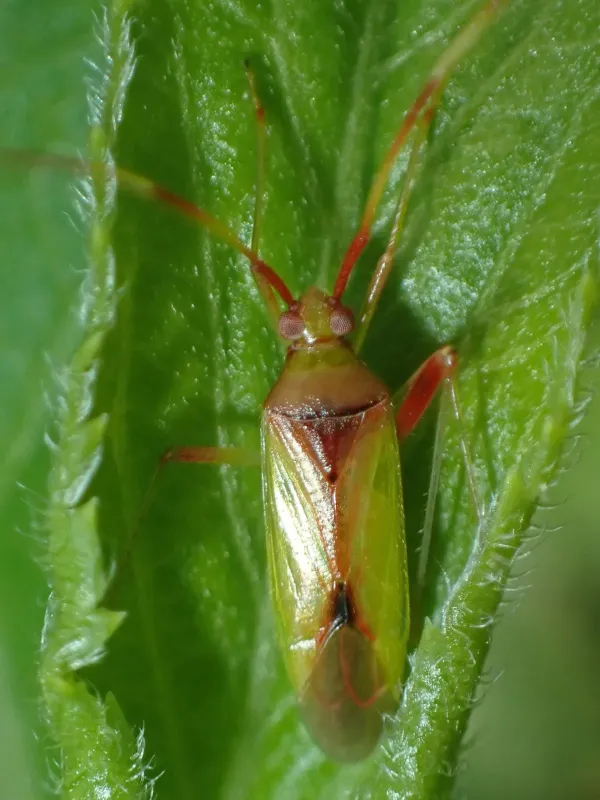
Description
How to identify
Creontiades femoralis is a species of mirid bug (family Miridae) known for causing significant damage to various agricultural crops.
Adults possess a typical mirid body shape, characterized by strong legs and antennae, allowing them to navigate efficiently through dense crop foliage.
The coloration of these insects is typically muted, blending in with the green and brownish tones of the host plants, which makes them hard to detect.
The life cycle consists of the egg stage, five nymphal instars, and the winged adult stage, all of which contribute to the total feeding pressure on the plant.
As a polyphagous species, it exhibits remarkable adaptability to different host environments, often thriving in tropical and subtropical agricultural systems.
What it damages
The pest causes damage by piercing plant tissues with its stylet-like mouthparts and injecting salivary enzymes that pre-digest plant fluids.
Feeding primarily targets young vegetative growth, including terminal buds, new leaves, and floral structures, leading to significant physiological stress.
Severe infestations often result in reduced plant vigor, stunted growth, and a substantial decrease in the quality and quantity of the harvest.
In addition to physical feeding damage, the insect is capable of facilitating the entry of secondary pathogens into the plant system through their feeding punctures.
Impacts are most noticeable on high-value crops like vegetables and industrial plants where aesthetic or nutritional quality is paramount.
When it appears
Population surges of Creontiades femoralis are closely tied to seasonal temperature shifts and the availability of preferred host plants.
The pest is most active during periods of warm weather, which accelerate the development of nymphs into the reproductive adult stage.
Migratory behavior often occurs from wild hosts or nearby weedy borders into crop fields during the peak flowering and fruiting stages.
Continuous breeding occurs throughout the growing season, provided that the climate remains warm and food resources remain abundant.
Monitoring efforts should intensify during critical plant growth stages to catch the arrival of the pest before it establishes a stable colony.
Signs of infestation
Initial signs of infestation include tiny chlorotic spots or necrotic lesions on leaves and stems where the bugs have been feeding.
Distortion of the apical growth and the curling of leaves are classic symptoms caused by the injection of salivary toxins during feeding.
Fruit and floral drop are common indicators of heavy infestation, leading to significant yield losses in affected fields.
The presence of the bugs themselves can be verified by checking the undersides of leaves, especially in the early morning or evening hours.
Stunted development of pods or seeds often indicates that the pest has been targeting the reproductive structures of the crop for an extended period.
Control measures
Effective management requires an integrated approach starting with the removal of weeds and alternative hosts that harbor the bug population.
Crop rotation and field hygiene are essential practices to interrupt the life cycle and minimize the local overwintering potential of the pest.
When chemical intervention is necessary, the use of selective insecticides that minimize impact on beneficial insect populations is highly recommended.
Regular field scouting using sticky traps or visual inspection allows for early detection, which is vital for maintaining control before thresholds are met.
Continuous training and monitoring allow farmers to react promptly to fluctuations in the bug population, ensuring better long-term crop stability.
Discussion
No discussions yet — be the first.