
Goat moth
Cossus terebra
Description
How to identify
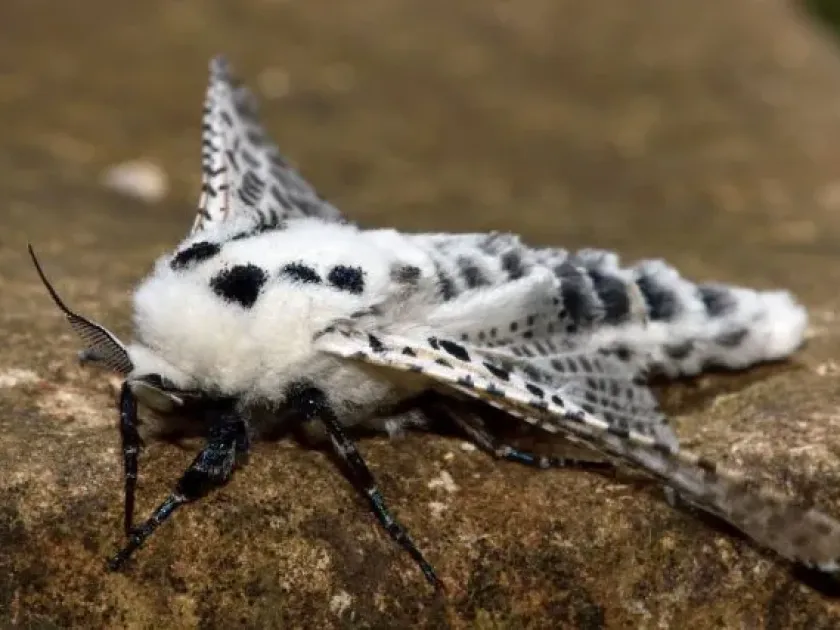
The goat moth is a large nocturnal moth with a wingspan reaching 80–90 mm. Its wings are greyish-brown with a distinct marbled pattern of dark lines and spots.
The moth has a stout, hairy body. When resting, it folds its wings in a tent-like fashion, making it highly camouflaged against tree bark during the day.
The larvae, known as woodworms, are massive, growing up to 100 mm in length. They are easily recognized by their dark red or reddish-brown backs and yellowish sides.
The head of the caterpillar is equipped with powerful mandibles capable of boring through the hardest wood. They are distinct for their long developmental period.
A notable feature of the goat moth is the pungent, vinegary odor produced by the larvae. This smell is often noticeable near infested trees during warm periods.
What it damages
This pest is a primary wood-borer, attacking a wide range of broad-leaved trees. It is a significant threat to orchard species, including apple, pear, cherry, and plum trees.
Forestry species such as willow, poplar, birch, and oak are also frequent hosts. Trees that are already weakened by stress or injury are particularly prone to colonization.
The larvae tunnel deep into the heartwood and sapwood. These galleries disrupt the tree’s nutrient and water transport, leading to physiological stress and decay.
Repeated infestation can cause the death of major branches or the entire tree. Young saplings are particularly susceptible and may die within a few years of infestation.
For orchard managers, the goat moth represents a serious threat to productivity and tree longevity, often necessitating expensive removal and replacement strategies.
When it appears
Adult moths are active during the summer months, specifically from June to July. They are strictly nocturnal, making them elusive to garden owners.
Females lay eggs in small clusters within bark crevices or near existing wounds. A single female is capable of producing up to 1000 eggs per season.
After hatching, the larvae immediately bore into the bark. They spend the majority of their 2 to 3-year life cycle feeding inside the tree's wood.
During their growth, they constantly excavate new galleries. This period of development varies depending on the tree species and regional climatic conditions.
Pupation occurs in the spring, either inside the larval gallery within the trunk or in the soil near the base of the tree before the adult emerges.
Signs of infestation
The most visible sign of infestation is the presence of frass—a coarse, sawdust-like material—that collects at the base of the tree or in branch crotches.
Dark, weeping holes on the bark, from which sap or gum exudes, are entry points created by the larvae as they push out their waste and consume tissue.
Canopy thinning and premature leaf yellowing are common symptoms of advanced infestation, indicating that the tree's vascular system is significantly compromised.
The vinegary, acidic smell emitting from the trunk is a reliable diagnostic indicator of a heavy goat moth colony presence inside the wood.
The bark may appear loose or sunken in areas where internal boring has occurred. Tapping the trunk can reveal hollow-sounding areas indicating major structural damage.
Control measures
Cultural control involves the removal and destruction of heavily infested branches. Maintaining overall tree vigor through proper fertilization is essential to preventing attacks.
Mechanical control includes inserting a flexible wire into the galleries to kill the larvae or injecting targeted insecticides followed by sealing holes with wound paste.
Pheromone traps are effective for monitoring and controlling the male population, which can disrupt the mating cycle and reduce subsequent egg laying.
Preventive measures include applying protective white-wash or clay-based barriers to the lower trunks of susceptible trees during the peak flight period of the moths.
- Regular inspection of orchard trees for sap flow and frass.
- Encouraging natural predators such as woodpeckers and parasitic wasps.
- Ensuring proper wound healing with tree sealants to limit entry points.
Discussion
No discussions yet — be the first.