
Copitarsia naenioides
Copitarsia naenioides
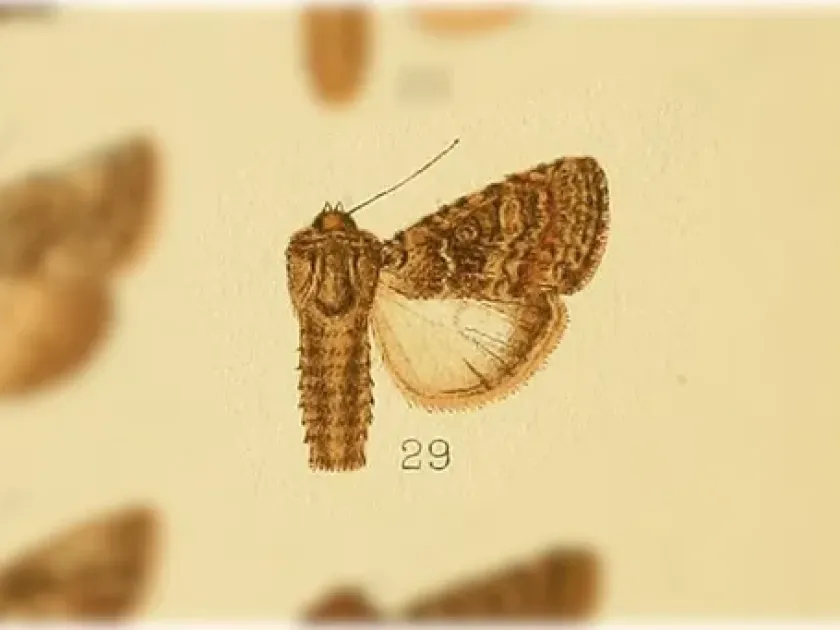
Description
How to identify
Copitarsia naenioides is a moth species belonging to the Noctuidae family. It is recognized as a significant agricultural pest due to its wide host range and ability to infest various high-value vegetable and ornamental crops.
Adult moths exhibit a greyish-brown coloration, blending in with their surroundings during the day. The wings display typical patterns of spots and lines, which are common within the subfamily Hadeninae, aiding in their concealment.
The larvae, known as caterpillars, are the primary cause of damage. They undergo several molting stages, changing in size and color, which often makes identification in the field difficult without entomological training.
The life cycle is complete, consisting of eggs, larvae, pupae, and adults. Depending on the geographical location and temperature, the species can complete multiple generations within a single growing season.
This species is highly mobile, with adults capable of flying long distances, facilitating the spread of the population across agricultural regions if not managed properly.
What it damages
This pest is highly polyphagous, attacking a broad range of crops including solanaceous vegetables (tomatoes, peppers), legumes, and various leafy greens. It represents a major challenge for commercial growers.
Larval feeding can lead to significant economic losses. The larvae initially feed on foliage, but older stages often burrow deep into buds, stems, or developing fruits, causing irreversible damage.
The presence of larvae inside fruits makes them completely unmarketable. Even minor surface feeding can introduce pathogens that lead to rapid decay, ruining entire batches of produce during storage.
In addition to direct consumption of plant tissues, the damage caused by Copitarsia naenioides often attracts opportunistic secondary infections, including fungal and bacterial rots.
Because the larvae are often internal feeders, they are shielded from many environmental factors, which increases the difficulty of protecting crops once the infestation has progressed past the initial stage.
Control measures
Integrated Pest Management (IPM) is essential for controlling this species. This includes strict phytosanitary protocols for imported goods to prevent the accidental introduction of the pest into new areas.
Monitoring using pheromone traps is the most effective way to detect early adult activity. This data helps in timing insecticide applications to target the most vulnerable larval stages.
Cultural practices, such as crop rotation, deep tillage, and the elimination of weeds that serve as alternative host plants, significantly reduce the success of overwintering populations.
Biological control methods involving the release of specific parasitoids or the application of biopesticides based on Bacillus thuringiensis have shown effectiveness in reducing larval density.
Chemical control should focus on the use of selective insecticides that minimize harm to beneficial insects while effectively managing the moth population during the critical stages of plant development.
Taxonomy
- Latin name
- Copitarsia naenioides
- Order
- Lepidoptera (butterflies)
- Family
- Noctuidae
- EPPO code
- COPINA
Discussion
No discussions yet — be the first.