
Copitarsia
Copitarsia
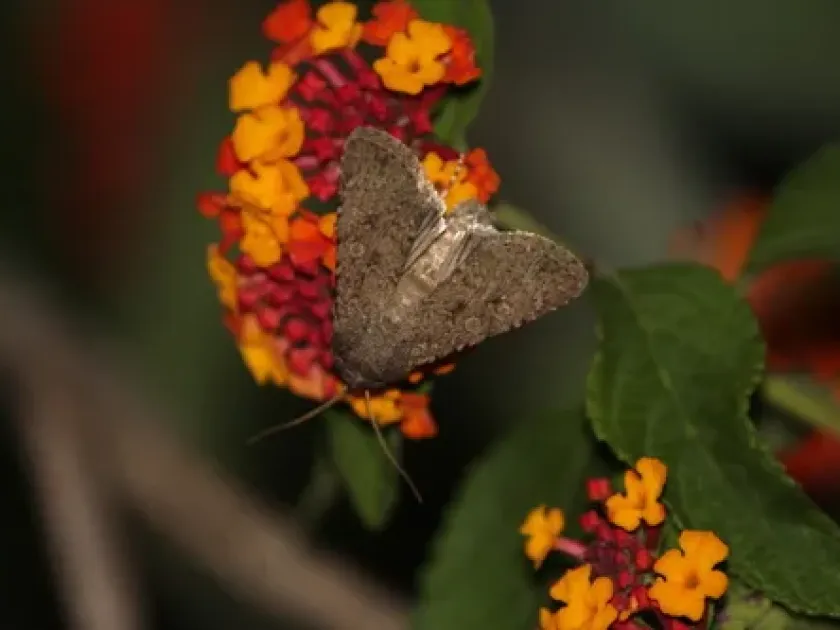
Description
How to identify
Copitarsia is a genus of moths belonging to the family Noctuidae. These insects are notorious polyphagous pests, and their larvae are notoriously difficult to distinguish morphologically from other similar species without laboratory analysis.
Adult moths are medium-sized with grey-brown forewings featuring distinctive patterns of spots and lines. Their bodies are densely covered with hair-like scales, a trait common to many members of the Hadeninae subfamily.
Identifying eggs and larvae often requires microscopic examination. The larvae possess specialized mouthparts and bristle patterns that allow them to feed efficiently on a wide variety of plant tissues.
DNA barcoding remains the most reliable method for precise species-level identification, as the morphological characteristics of many Copitarsia adults are highly variable and often overlap significantly.
In their native range, these pests are primarily found in Central and South America, from where they are frequently intercepted in other countries via imported fresh produce.
What it damages
Copitarsia species are broad-spectrum polyphages. Their host list includes a wide range of vegetables, ornamental plants, fruits, and industrial crops, making them a high-priority target for plant quarantine authorities.
Commonly affected crops include asparagus, artichokes, various bulbous plants, tomatoes, peppers, and ornamental flowers such as alstroemeria and carnations.
The pest attacks both vegetative plant parts and reproductive organs. Larvae typically consume flower buds, bore into fruits, and destroy apical meristems, which completely ruins the marketability of the produce.
In root crops, the larvae can damage the root crown and young leaves, leading to stunted growth or the complete death of the plant during early growth stages.
The high destructive potential is due to the larvae often concealing themselves deep within plant tissues, making them largely inaccessible to contact insecticides during their active feeding period.
When it appears
The life cycle of Copitarsia is highly dependent on ambient temperature, but in regions with mild climates, breeding can occur nearly year-round.
Females lay eggs in clusters on leaf surfaces or within inflorescences, covering them with protective scales. A single female can produce several hundred eggs during her life span.
The larvae progress through five to six instars, feeding actively for approximately three to four weeks. The duration of each developmental stage depends directly on temperature and the quality of the food source.
Pupation primarily occurs in the soil, where the insects can survive adverse environmental conditions. The pupal stage duration can range from two weeks to several months during diapause.
In greenhouse environments or via international shipments, the pest can be introduced at any developmental stage, rendering seasonal classification largely relative for indoor agriculture.
Signs of infestation
The first signs of infestation are small holes on leaves or flower petals, which eventually develop into larger, necrotic lesions.
The presence of larval frass (excrement) near feeding sites or within flower heads is a reliable indicator that the pest has established itself on the plant.
Deformation or wilting of buds often suggests that a larva has burrowed inside the reproductive organ to feed on its internal tissues.
During the inspection of produce shipments, characteristic tunnels or burrows inside fruits are commonly observed, often filled with brownish larval waste.
- Destroyed apical growth points.
- Rotting traces in feeding areas.
- Presence of larvae within harvested and packaged plant material.
Control measures
Strict phytosanitary inspection during the import of fresh plant produce is the primary measure to prevent the accidental introduction of this pest into new geographical regions.
The use of pheromone traps is essential for monitoring adult populations and enabling the early detection of localized outbreaks in greenhouses or fields.
Mechanical removal and destruction of infested plant material are critical for reducing the inoculum pressure during the early stages of an outbreak.
Biological control strategies, including the use of Bacillus thuringiensis-based products, have shown high efficacy against early-instar larvae.
Chemical applications using systemic or ingestible insecticides must be conducted according to strict legal regulations, with careful consideration of pre-harvest intervals for edible crops.
Taxonomy
- Latin name
- Copitarsia
- Order
- Lepidoptera (butterflies)
- Family
- Noctuidae
- EPPO code
- COPISP
Discussion
No discussions yet — be the first.