
Hazel aphid
Colocasia coryli
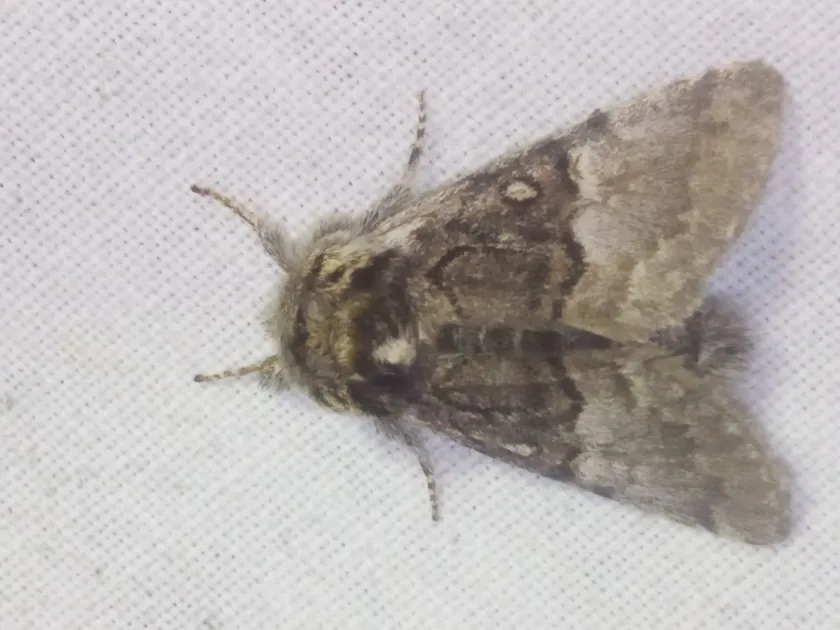
Description
How to identify
The hazel aphid (Myzocallis coryli) is a small insect belonging to the family Aphididae. They are typically pale yellow or greenish, allowing them to blend into the light-colored veins on the underside of leaves.
The population includes both winged and wingless forms. The winged adults are distinguished by dark pigmentation on their wing veins, which is a key characteristic for field identification.
They reproduce parthenogenetically during the summer months, allowing populations to explode in size rapidly. Sexual reproduction occurs in the autumn, leading to the production of overwintering eggs on the bark.
Warm and humid weather conditions significantly accelerate their life cycle, leading to multiple generations throughout the growing season.
These aphids are rarely found alone; they typically form clusters along the primary leaf veins, where they can easily access the phloem sap of the tree.
What it damages
The primary hosts are hazel (Corylus) species, including commercial hazelnut varieties. By feeding on the phloem sap, the aphids extract essential nutrients, significantly weakening the plant's vigor.
Heavy infestations cause leaf curling, yellowing, and stunted development. This premature stress can lead to reduced nut size and lower overall crop yields.
Beyond direct feeding, they act as vectors for various plant viruses. Transmission of these pathogens can cause mosaic patterns and chronic health issues for the hazelnut orchard.
The secretion of honeydew promotes the growth of sooty mold, which covers the leaves in a black, sticky layer, further inhibiting photosynthesis and reducing growth.
Young trees are especially vulnerable to aphids, as infestation during the establishment phase can hinder shoot development and cause permanent structural growth issues.
Signs of infestation
An increased presence of ants on the trees is a primary indicator of aphid activity. Ants are attracted to the honeydew and often defend aphid colonies from predators.
Leaf curling is a clear sign of localized feeding. Inspecting the underside of curled leaves usually reveals colonies of these small, pale insects.
Sticky, shiny residues on the foliage indicate high aphid population densities. If left untreated, this residue will eventually turn black due to the growth of sooty mold fungus.
Early leaf drop during mid-summer, despite adequate watering, is another sign that the tree is suffering from significant nutrient drain caused by aphid feeding.
Distorted and stunted new shoots are indicative of active feeding on the most succulent parts of the plant, often leading to a jagged or uneven canopy shape.
Control measures
Integrated pest management (IPM) is the best approach. Encouraging natural predators like ladybugs, hoverflies, and lacewings is the most effective biological control strategy.
Regular monitoring of the orchard is essential. If aphid populations exceed economic thresholds, applying systemic or contact insecticides is recommended.
Pruning out infested shoots and removing basal suckers can significantly reduce the overwintering population of eggs, helping to lower the initial pressure in the following season.
Always ensure that applications of pesticides are done when aphid activity is high but before the leaves curl significantly, as the aphids are shielded within the folded foliage.
- Utilize horticultural oils to manage early-season populations.
- Monitor for predator presence before chemical intervention.
- Maintain tree health through balanced fertilization to improve natural defenses.
Taxonomy
- Latin name
- Colocasia coryli
- Order
- Lepidoptera (butterflies)
- Family
- Noctuidae
- EPPO code
- COLCCO
Discussion
No discussions yet — be the first.