
Colocasia
Colocasia
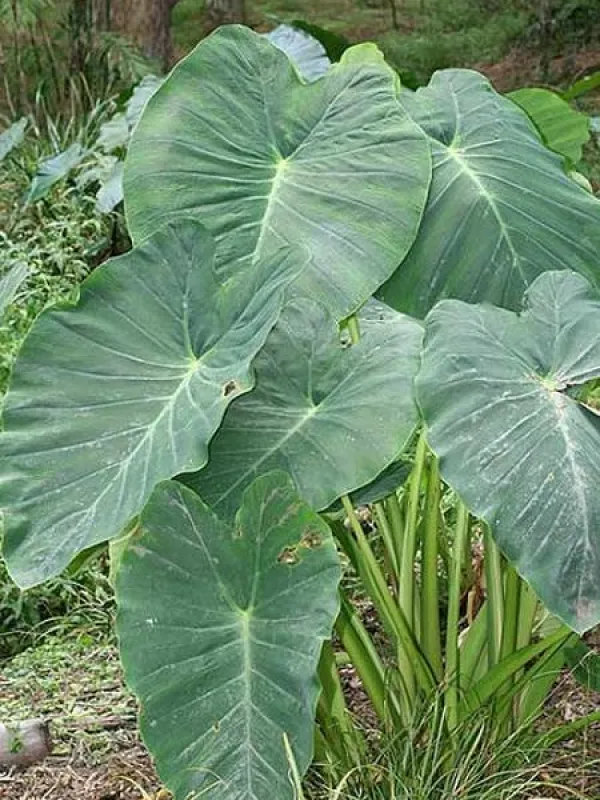
Description
How to identify
It is crucial to note that Colocasia is a genus of tropical plants, and the term is often applied to pests infesting these specific crops in agricultural reports. There is no singular pest scientifically named "Colocasia," so identification focuses on common threats like aphids, spider mites, or root-damaging larvae.
To identify the specific pest, experts carefully inspect the underside of the leaves, the growth points (apical buds), and the surface of the root tubers.
Using a magnifying glass (10x magnification) is standard practice to detect tiny mites or aphid colonies that hide in the folds of the foliage.
Traps are frequently used to identify the species involved, allowing farmers to choose the correct insecticide or biological control agent for their specific crop context.
Monitoring programs often rely on documenting the pattern of damage on the leaves, which is unique to specific insect orders that attack tropical Aroids.
What it damages
Pests attacking Colocasia primarily pierce the leaf tissues to extract nutrient-rich sap, causing rapid weakening of the plant's photosynthetic capacity.
Root damage is particularly devastating, as it interferes with the plant's ability to uptake water and nutrients, often leading to total yield loss during tuber development.
Feeding activity often results in the excretion of honeydew, which creates a habitat for sooty mold, further suffocating the plant and reducing its market value.
In addition to direct injury, many of these pests are vectors for devastating viral and bacterial diseases that spread through the field rapidly.
Economic damage is substantial, as infested plants exhibit stunted growth, reduced tuber size, and increased susceptibility to secondary infections during storage.
When it appears
The activity of these pests is closely linked to warm, humid conditions that mirror the tropical climate preferred by Colocasia species.
In greenhouses or controlled environments, pest populations can remain active throughout the entire year, requiring continuous monitoring.
Outbreaks are most common during the early stages of growth when the plant produces tender, succulent leaves that are highly attractive to sucking insects.
Seasonal shifts in rainfall and temperature can trigger migration cycles, leading to mass infestations in otherwise healthy crop areas.
Agronomists emphasize that the highest risk periods occur during sudden temperature increases, which accelerate the life cycle of most insect pests.
Signs of infestation
Leaf curling, yellowing, and the appearance of chlorotic spots are the most immediate indicators of pest colonization on the foliage.
The presence of sticky honeydew on the stems and leaves serves as a clear warning that an insect population has reached a damaging threshold.
Wilting during the hottest hours of the day, despite adequate soil moisture, often points to critical damage occurring in the root zone or the base of the plant.
Deformation of new growth and stunted development are signs of long-term infestation that has affected the plant's hormonal balance.
- Chlorotic spots on leaf surfaces;
- Leaf distortion and curling;
- Sticky secretions (honeydew);
- Presence of spider webs or soot-like mold;
- Underdeveloped or decaying tubers.
Control measures
Integrated Pest Management (IPM) is the most effective approach, combining mechanical, biological, and chemical strategies for long-term protection.
Cultural practices include strictly cleaning planting tools, utilizing pest-free stock, and removing crop residues that host hibernating insects.
Biological control agents, such as predatory mites or specific parasitoid wasps, are highly recommended for sustainable farming to minimize environmental impact.
Chemical control should be reserved for threshold-level infestations, utilizing systemic insecticides that are applied in compliance with safety intervals.
Regular field scouting and accurate record-keeping allow for the early detection of pests, preventing small problems from escalating into full-scale crop losses.
Taxonomy
- Latin name
- Colocasia
- Order
- Lepidoptera (butterflies)
- Family
- Noctuidae
- EPPO code
- COLCSP
Discussion
No discussions yet — be the first.