
Clastoptera isabelae
Clastoptera isabelae
Description
How to identify
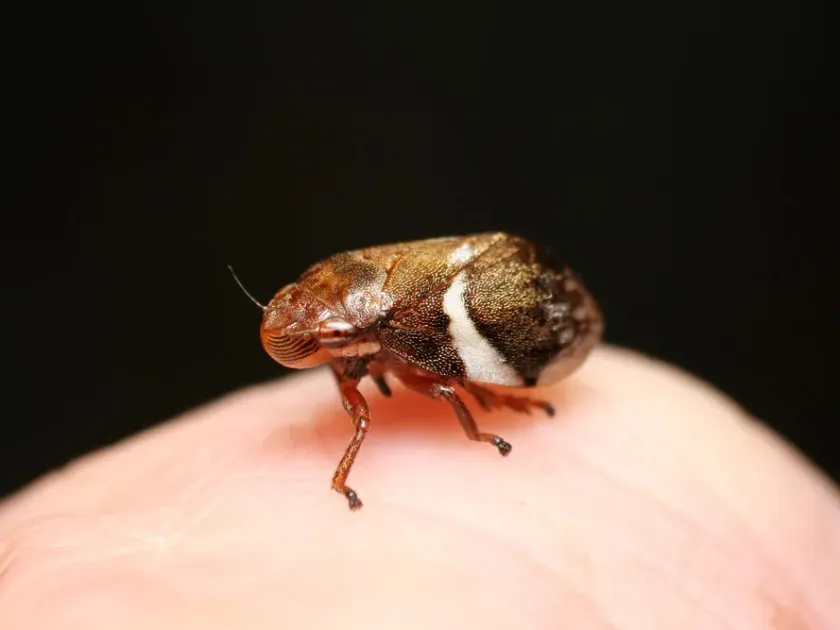
Clastoptera isabelae is a species of spittlebug belonging to the Clastopteridae family within the order Hemiptera.
The adult insect is characterized by a compact, somewhat humped body shape, typically colored in shades of brown or gray, aiding in crypsis.
The nymphs are famous for producing a white, frothy substance often referred to as "cuckoo spit," which serves as a protective housing.
This froth provides an essential microclimate for the developing nymphs, preventing dehydration and protecting them from avian predators.
The species exhibits high mobility in its adult phase, allowing it to migrate between host plants and spread across agricultural areas.
What it damages
Clastoptera isabelae primarily feeds on the sap of various ornamental shrubs and trees, as well as several woody plant species.
By using their piercing-sucking mouthparts, these insects drain the plant's vital fluids, which directly impacts the plant's metabolic processes.
Feeding leads to noticeable stunting of growth, especially in young shoots and buds, causing significant stress to the plant host.
Leaves often exhibit curling, chlorosis, and premature senescence, reducing the aesthetic and physiological health of the plant.
The feeding sites and the accumulation of honeydew often trigger the growth of sooty mold, further damaging the foliage and hindering photosynthesis.
When it appears
The life cycle of this spittlebug is closely synchronized with the phenology of its host plants and seasonal temperature patterns.
Overwintering occurs at the egg stage, with eggs usually deposited in crevices of the bark or woody stems to survive the cold winter months.
Nymphs emerge in the spring as temperatures rise and sap begins to flow, which provides them with immediate access to nutrition.
The period of highest activity is during late spring and early summer, where nymphal development and froth production are most intense.
Adults typically appear in mid-to-late summer, after which they mate and lay eggs, preparing for the next year's generation cycle.
Signs of infestation
The most diagnostic sign of an infestation is the presence of frothy, white spittle masses on stems and the junctions of leaves and branches.
Affected plants often show visible signs of distress, such as drooping, yellowing, or twisted new growth that lacks vigor.
Honeydew, a sticky excrement left by the insects, often covers the lower leaves, leading to the development of black sooty mold.
Observing the plant carefully usually reveals the small, soft-bodied nymph concealed within the white foam bubbles.
- White spittle masses on stems
- Twisted or deformed young leaves
- Stunted shoot elongation
- Black sooty mold growth
- General loss of plant vigor
Control measures
Management begins with good cultural practices, such as pruning away heavily infested branches and maintaining plant health to ensure vigor.
A forceful water spray can be used to physically wash away the spittle masses and remove nymphs from plants without chemicals.
Encouraging natural predators such as lady beetles, lacewings, and predatory wasps can help maintain population levels below economic thresholds.
If chemical intervention is necessary, systemic insecticides should be applied to target the feeding insects while minimizing impact on beneficials.
Always follow label instructions carefully to ensure the safety of the application and to protect non-target organisms in the garden or farm.
Discussion
No discussions yet — be the first.