
Green spruce aphid
Cinaropsis greeni
Description
How to identify
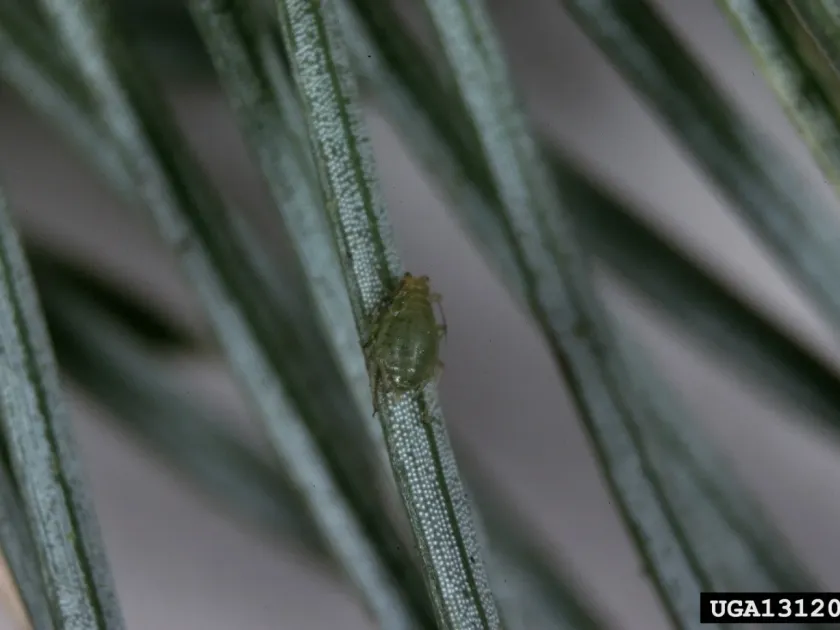
The green spruce aphid (Cinaropsis greeni), belonging to the Aphididae family, is a small pest primarily affecting spruce trees. Its body is adapted for camouflage among needles, making it difficult to detect during the initial stages of infestation.
These insects exhibit complex life cycles, including parthenogenetic reproduction during spring and summer. They possess a needle-like proboscis designed to penetrate the surface of conifer needles to access the sap, which is their main source of nutrition.
What it damages
The primary hosts of this pest are various species of spruce, often causing significant damage to both ornamental trees and forest nurseries. By feeding on the sap, aphids remove vital resources from the plant, which is essential for the tree's growth and survival.
Feeding damage leads to the impairment of photosynthesis and overall vigor of the host plant. Over time, the cumulative stress from the aphid infestation makes the trees more susceptible to drought, cold weather, and secondary fungal attacks.
When it appears
The activity cycle of the green spruce aphid begins early in the spring as temperatures rise. The nymphs emerge from overwintered eggs, beginning to feed on the old needles before moving onto new growth as the season progresses.
Populations tend to reach their peak in late spring and early summer when environmental conditions are optimal for rapid growth. In many regions, activity may persist until autumn, with females laying eggs on the bark and needles to ensure the species survives through the winter.
Signs of infestation
Early warning signs include the yellowing of needles, starting from the interior of the canopy. As the infestation spreads, the affected needles eventually turn brown and fall off, causing the tree to appear sparse or unhealthy.
The presence of honeydew on the needles is a major indicator of infestation, often attracting other insects like ants. This sticky residue provides a substrate for sooty mold, which creates a blackened appearance on the branches and foliage, further hindering tree growth.
Control measures
Regular inspection of spruce trees during the spring months is critical for early intervention. Monitoring the lower canopy is especially important as aphids prefer the shelter provided by denser foliage.
When infestation levels are low, physical removal via a high-pressure water spray can be an effective and environmentally friendly solution. This disrupts the colonies and reduces the aphid population without the need for chemicals.
For more severe cases, systemic insecticides are recommended to effectively treat the infestation. Cultural practices, such as maintaining healthy soil moisture and ensuring proper spacing between trees, help prevent stress and increase the natural resilience of the spruce against pest outbreaks.
Discussion
No discussions yet — be the first.