
Chrysodeixis eriosoma
Chrysodeixis eriosoma
Description
How to identify
Chrysodeixis eriosoma, commonly known as the green garden looper or golden twin-spot moth, is a moth species belonging to the family Erebidae.
The adult moth is characterized by a wingspan of approximately 40 mm, featuring brownish-gold forewings with distinctive silver markings, aiding in camouflage.
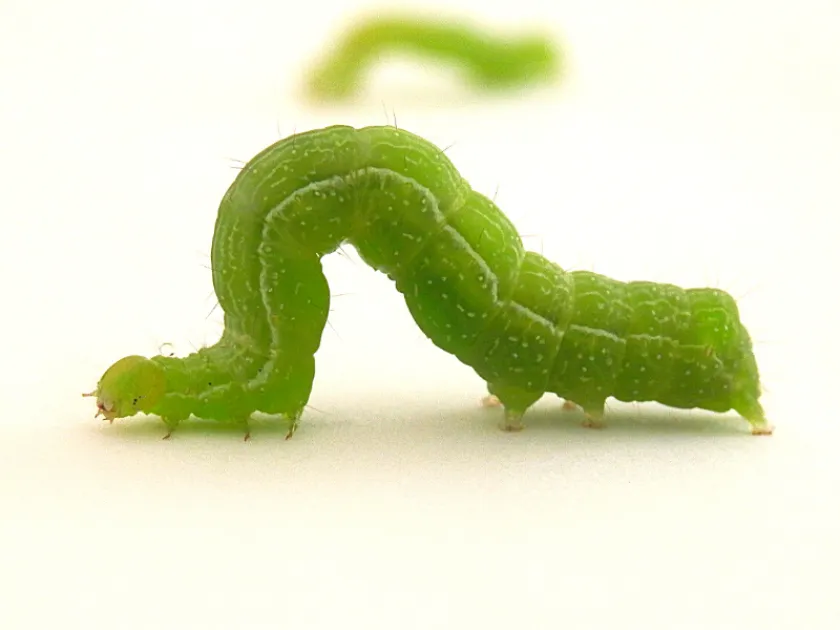
The larvae, or caterpillars, are bright green in color, often blending perfectly with the foliage of host plants, which makes them quite difficult to spot.
The larvae possess a unique looping method of locomotion due to the structure of their prolegs, which is a key diagnostic feature for this species.
The lifecycle consists of egg, larval, pupal, and adult stages, with the speed of development being heavily dependent on the ambient temperature and humidity.
What it damages
This species is a highly polyphagous pest, capable of causing significant damage to a wide variety of economic and ornamental crops.
Key crops at risk include tomatoes, potatoes, legumes, and various brassicas, as well as many flowering plants grown in greenhouse conditions.
Early-stage larvae typically feed on the leaf parenchyma, creating small, circular holes, which eventually lead to the destruction of the leaf surface.
As larvae mature, they consume larger sections of leaves, often leaving only the primary veins behind in a process known as skeletonization.
Severe infestations can lead to direct damage to fruits and buds, resulting in decreased market quality and increased susceptibility to secondary infections.
When it appears
The activity of the moths generally begins in early spring, as temperatures rise and the overwintering pupae emerge from the soil or debris.
In warm climates, the species can produce multiple overlapping generations throughout the entire growing season, creating constant pressure.
Peak feeding activity is typically observed during the warmer summer months when metabolic rates are high and the larval development is accelerated.
While activity slows down as autumn approaches, the pest remains a threat in greenhouse environments where temperatures are maintained year-round.
Environmental factors like prolonged warm spells can lead to population explosions, requiring immediate attention from growers and farmers.
Signs of infestation
The primary indicators of an infestation are small, irregular holes in the leaves and the presence of dark frass (droppings) on the lower leaves.
Larvae often tie leaf edges together with silk threads to create shelters, which serve as protection from predators and environmental stress.
Small, pale, dome-shaped eggs are usually deposited singly on the underside of leaves, often near the main leaf veins for better protection.
Visible damage to fruits, such as shallow cavities or bored tunnels, is a clear sign that the larval population has reached a damaging level.
Wilting, stunted growth, and yellowing foliage are common symptoms of severe leaf loss caused by sustained feeding activity of the loopers.
Control measures
Integrated pest management (IPM) should begin with the installation of pheromone traps to monitor adult moth populations and timing control measures.
Biological control agents, such as parasitoid wasps like Trichogramma, are highly effective in managing populations by targeting the egg stage.
Chemical control using selective insecticides is recommended when larval thresholds are exceeded, preferably during the early instars.
- Regular field sanitation to remove weed hosts that sustain the pest.
- Deep tilling of the soil to disturb and destroy pupae in the ground.
- Implementing strict crop rotation schedules to break the pest's lifecycle.
Always ensure the rotation of pesticide modes of action to prevent the development of insecticide resistance within the local pest population.
Taxonomy
- Latin name
- Chrysodeixis eriosoma
- Order
- Lepidoptera (butterflies)
- Family
- Noctuidae
- EPPO code
- CHRXER
Discussion
No discussions yet — be the first.