
Chloridea subflexa
Chloridea subflexa
Description
How to identify
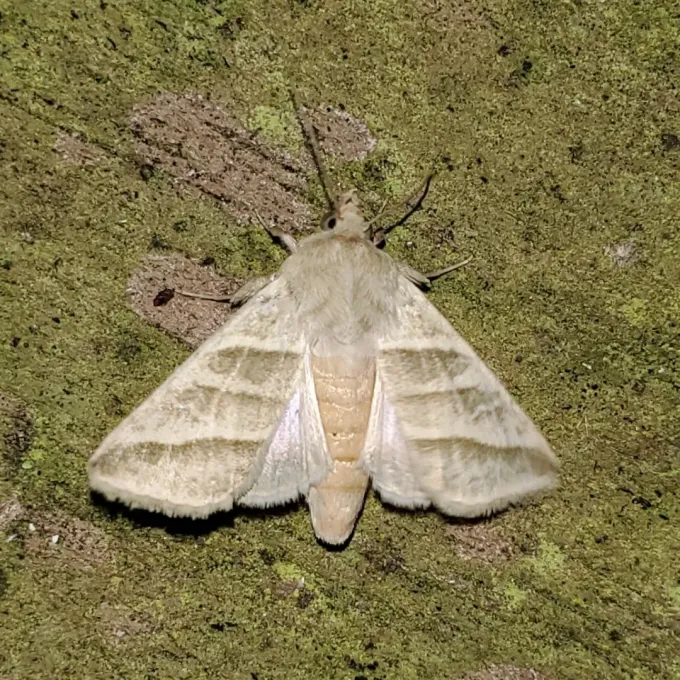
Chloridea subflexa is a moth species belonging to the family Noctuidae (order Lepidoptera). The adult moth typically has a wingspan of 25–35 mm, with coloration varying from light yellowish-tan to brownish, marked with faint lines and spots characteristic of this genus.
The larval stage, or caterpillar, undergoes several instars. Early instars are often light green, providing camouflage against the foliage, while later instars become darker and may display distinct longitudinal stripes as they mature.
The life cycle encompasses egg, larva (caterpillar), pupa, and adult stages. The insect primarily overwinters as a pupa, usually buried in the soil, which allows it to survive colder temperatures and environmental shifts.
Development is highly temperature-dependent. During warm seasons, the species can complete multiple generations, making it a persistent threat to host crops if not managed from the onset of the first flight.
Identifying the pest requires careful monitoring using pheromone traps, which attract male moths and allow growers to estimate the population density and determine the optimal timing for intervention.
What it damages
Chloridea subflexa is specialized in feeding on plants within the Solanaceae family. It is particularly known as a significant pest of Physalis species, commonly known as groundcherries or husk tomatoes.
The larvae are particularly destructive because they feed on the reproductive parts of the plant. They bore directly into the fruit husks and consume the developing seeds and fleshy interior, rendering the fruit unmarketable.
By targeting flower buds and developing ovaries, the larvae cause premature abscission, which significantly reduces the total yield of the crop. Even minor infestations can lead to substantial financial losses in commercial production.
Beyond direct feeding damage, the entry holes created by the larvae introduce pathogens. Secondary infections from fungi and bacteria often take hold in the damaged fruit, leading to rapid rot and decay.
The host specificity of this pest allows it to concentrate heavily on specific plantings, making managed fields particularly vulnerable during peak larval activity periods.
Signs of infestation
The most prominent sign of an infestation is the appearance of small, circular holes in the papery husks of the fruit. Finding these holes is often the first indication that a scouting program is needed.
Internal examination of the fruit reveals tunnels and excrement (frass), which are clear markers of larval activity. Damaged fruits may also show signs of premature yellowing and shriveling before they reach full maturity.
Adult moth presence during twilight hours can be monitored via light traps or pheromone lures. The appearance of eggs on the underside of leaves or near the fruit husks indicates an upcoming surge in larval activity.
Plants affected by larval feeding often show signs of stunted development or wilting due to the loss of reproductive organs, as the plant directs energy toward recovery rather than fruit production.
Scattered frass on the leaves below the fruit or sticky residues on the surface of the husks can further indicate that larvae are feeding in the vicinity.
Control measures
Integrated pest management (IPM) is essential for controlling Chloridea subflexa. Cultural practices, such as deep plowing after harvest, are highly effective at disturbing and killing overwintering pupae in the soil.
Sanitation is a critical step; removing and destroying infested fruit and plant debris prevents the buildup of the local population and reduces the potential for subsequent generations to thrive.
Biological control agents, such as egg parasitoids like Trichogramma, have shown effectiveness in reducing larval populations when released at the correct stage of the pest's life cycle.
Chemical control should be targeted at the egg-laying and early larval stages. Using selective insecticides that minimize harm to beneficial insects is recommended for sustainable farm management.
- Utilize pheromone traps for early detection.
- Practice crop rotation to disrupt the life cycle.
- Hand-pick and destroy infested fruits during early stages.
- Apply registered insecticides based on economic thresholds.
Taxonomy
- Latin name
- Chloridea subflexa
- Order
- Lepidoptera (butterflies)
- Family
- Noctuidae
- EPPO code
- HELISU
Discussion
No discussions yet — be the first.