
Celama
Celama
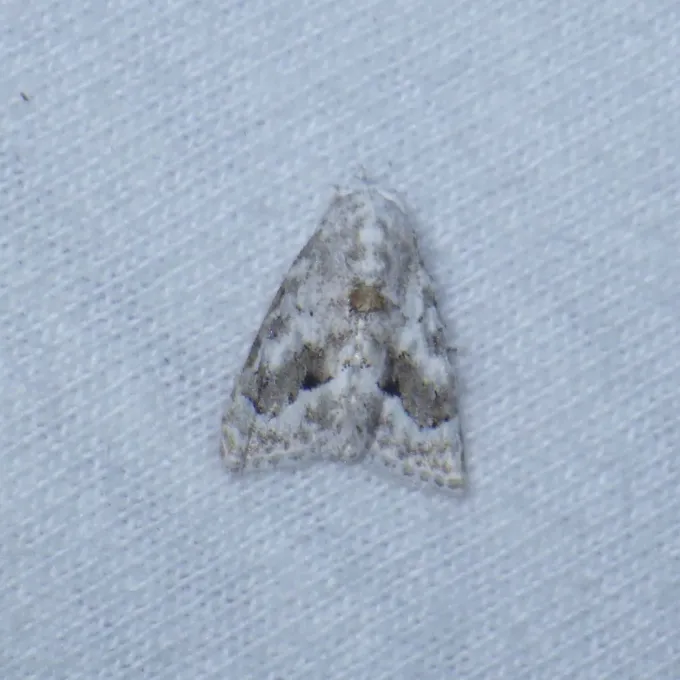
Description
How to identify
The genus Celama belongs to the Erebidae family within the order Lepidoptera. These moths are generally small and often remain undetected due to their nocturnal behavior and cryptic coloration patterns.
Adult moths typically have a wingspan ranging from 15 to 20 mm. Their forewings are often decorated with subtle patterns of grey or brown, which provide camouflage against tree bark or leaves during the day.
The larvae, or caterpillars, of this genus possess a distinctive appearance, often covered in tufts of hair, which helps in deterring potential predators. They undergo a complete life cycle, including egg, larval, pupal, and adult stages.
Accurate identification of Celama species often requires professional entomological examination of morphological structures. Understanding their specific taxonomy is essential for precise field diagnostics.
Adult activity is primarily nocturnal. They are highly attracted to light sources, making light traps an effective tool for field agronomists to monitor population densities throughout the growing season.
What it damages
Celama is known for its polyphagous feeding habits, targeting a variety of crops, including cereals, forage grasses, and occasionally ornamental plants. The larvae feed on the vegetative parts of the plants.
The greatest damage is usually observed during the active vegetative growth phase. Larvae consume leaf tissue, often starting by skeletonizing the leaves, which significantly reduces the plant's photosynthetic capacity.
Heavy infestations can lead to stunted growth and, in some cases, the total destruction of the leaf apparatus. This stress makes the plants more susceptible to secondary fungal or bacterial infections.
In commercial agriculture, the presence of Celama can lead to yield losses of 15% to 30%, depending on the timing of the infestation and the density of the larval population per square meter.
Damage to the apical meristem or buds can cause structural deformities in the plant, ultimately affecting seed production and harvest quality. Monitoring is crucial to prevent these economic losses.
When it appears
The life cycle of Celama is highly influenced by regional temperature patterns. In warmer climates, the pest can complete multiple generations within a single growing season.
Overwintering typically occurs in the pupal stage. The pupae are enclosed in protective cocoons attached to crop residues or hidden in the upper layers of the soil.
Adult emergence in the spring coincides with the rise in mean daily temperatures. This period usually aligns with the initial vegetative growth of primary crops, marking the start of the risk period.
Subsequent generations appear throughout the summer months. The length of the life cycle is determined by humidity levels and temperature, with optimal conditions accelerating larval development.
Field monitoring should continue until the late summer months to ensure that later generations do not cause significant damage to the maturing crops or future sowing material.
Signs of infestation
The first signs of a Celama infestation are often the presence of dark frass (droppings) on the leaves, which serves as a visible marker of larval feeding activity.
Small holes or window-like damage on the leaves are characteristic signs of early-instar larvae. As the caterpillars grow, these holes become larger and more irregular in shape.
In some cases, the presence of silk webbing or folded leaves indicates that the larvae are seeking shelter or preparing for pupation, which can be observed upon close inspection of the canopy.
Stunted growth or chlorosis in localized patches within the field may indicate high larval pressure on the plants, requiring immediate scouting to assess the density of the population.
Using pheromone traps is highly recommended to detect the arrival of adult moths, providing early warning before larvae appear and begin to cause visible crop damage.
Control measures
Integrated pest management (IPM) for Celama includes cultural practices such as deep autumn plowing to disturb overwintering pupae, thereby reducing the population size for the next season.
Effective weed management on field margins is critical, as these areas often serve as refuges for the pest when primary crops are not available for feeding.
Biological control options include the application of formulations containing Bacillus thuringiensis, which are selective against Lepidopteran larvae and help maintain natural enemy populations.
Chemical control is advised when population levels exceed the economic injury threshold. Targeted applications of modern insecticides should be timed to hit the most vulnerable larval stages.
- Implement crop rotation to disrupt the pest's life cycle.
- Encourage the presence of natural predators and parasitoids.
- Perform regular field scouting to ensure timely intervention.
Discussion
No discussions yet — be the first.