
Melon gall midge
Cecidomyia citrulli
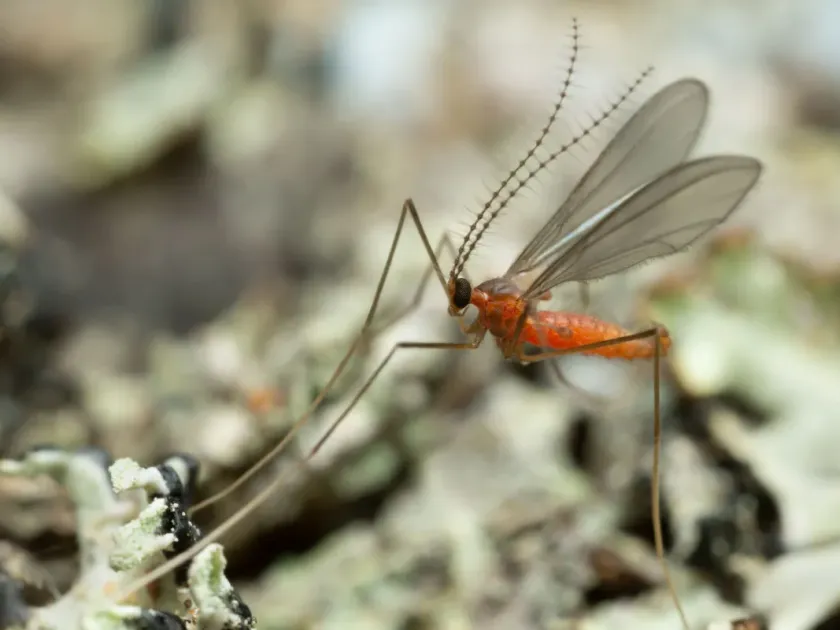
Description
How to identify
The melon gall midge is a small insect belonging to the family Cecidomyiidae (order Diptera). Adult midges resemble tiny mosquitoes with transparent wings, often remaining unnoticed until the visual symptoms of their activity appear on plants.
The damage is primarily caused by the larvae, which are legless, pale yellow or whitish, and possess specialized mouthparts. These larvae bore into the tender tissues of host plants, where they feed and develop.
The life cycle of the midge is closely synchronized with the phenology of cucurbits. Females lay eggs inside flower buds, young ovaries, or tender shoots, ensuring that larvae have immediate access to food upon hatching.
Depending on environmental conditions, particularly temperature and humidity, multiple generations can occur within a single growing season. This high reproductive rate often leads to rapid population explosions.
Early detection is challenging due to the endophagous (internal feeding) nature of the larvae. Monitoring for adult emergence is crucial for effective timing of management strategies before eggs are laid.
What it damages
The melon gall midge specifically attacks members of the Cucurbitaceae family, including watermelons, melons, pumpkins, and cucumbers. The impact is most severe during the critical phases of ovary formation.
Larval feeding causes physiological disruption within the plant, leading to stunted growth, deformation, and eventual abortion of the ovaries. This results in significant yield reduction for commercial growers.
The feeding sites often become entry points for secondary infections by opportunistic pathogens, including various bacteria and fungi that cause tissue decay. This secondary rot can spread rapidly, leading to fruit loss.
When infestation levels are high, the impact can be devastating, destroying a large percentage of potential fruit set. This makes the midge a significant economic threat in regions where cucurbits are heavily cultivated.
In addition to fruit loss, the larvae may infest stems and leaf petioles. This weakens the plant's structural integrity and diminishes its overall photosynthetic capacity, impacting long-term vigor.
Signs of infestation
The initial symptom of infestation is the yellowing and subsequent drying of young ovaries that were previously healthy. These fruits cease development and become distorted in shape.
Upon closer inspection, one may notice localized swellings or necrotic patches on the ovary surface. Dissecting an affected fruit often reveals cavities occupied by the midge larvae.
A hallmark sign of infestation is the "mummification" of fruits that fail to mature, turning dark brown and shriveling while remaining attached to the vine. This is often mistaken for nutrient deficiency or environmental stress.
Massive flower or fruit drop in the early stages of development, despite optimal irrigation and fertilization, is a strong indicator of midge presence in the field.
- Yellowing and shriveling of young ovaries.
- Deformed and stunted fruit growth.
- Presence of larvae within plant tissues.
- Premature fruit and flower drop.
Control measures
Crop rotation is the foundation of management for the melon gall midge. By moving cucurbits to a new location every few years, growers can effectively break the pest's reproductive cycle.
Sanitation is equally critical. Removing and destroying all crop residues immediately after harvest prevents the midge from overwintering in the soil or debris, significantly reducing the initial population for the following year.
Deep plowing during the fall season is a highly effective cultural practice. It disrupts the pupal stage of the midge in the soil, exposing them to environmental factors and natural enemies.
Chemical control is generally effective only against the adult stage before egg-laying begins. Growers should use systemic or contact insecticides according to strictly defined agricultural guidelines to ensure safety and compliance.
Biological control methods, including the use of entomopathogenic fungi or protecting natural predators (such as parasitoid wasps), can help suppress larval populations and provide a more sustainable long-term solution.
Discussion
No discussions yet — be the first.