
White sucker
Catostomus commersoni
Description
How to identify
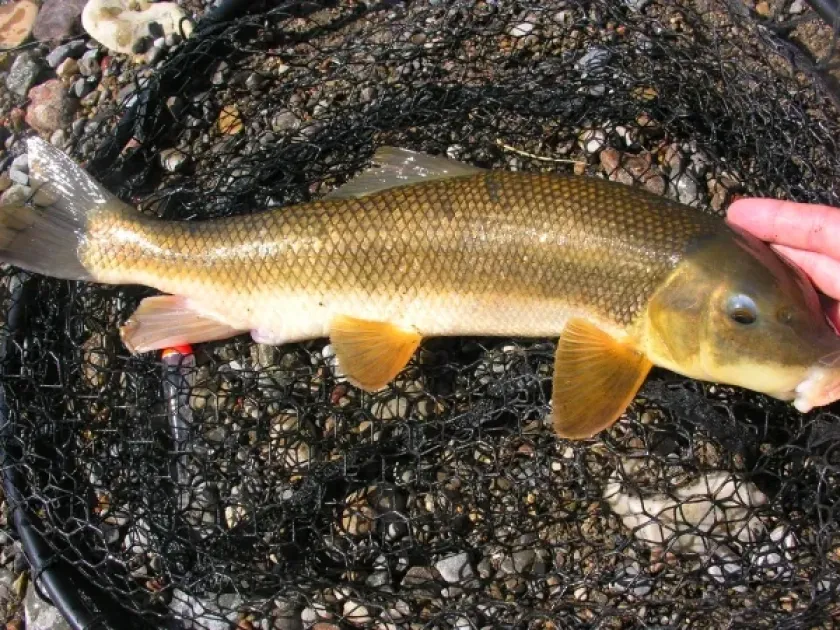
The white sucker (lat. Catostomus commersoni) is a member of the Catostomidae family, within the order Cypriniformes. It is a bottom-dwelling fish with a streamlined body, small scales, and a subterminal mouth equipped with thick, fleshy lips.
The coloration of the white sucker is typically dark olive or gray on the dorsal side, fading to a silvery or bronzed appearance on the sides, with a white underside. This camouflage is highly effective in murky bottom waters.
Adult white suckers typically reach lengths between 30 and 40 centimeters, though specimens can occasionally grow up to 60 centimeters. Their lifespan varies based on the environment, often reaching over a decade.
These fish are exceptionally adaptable, capable of thriving in a wide range of freshwater habitats, including streams, rivers, and lakes, and they show a high tolerance for varying water turbidity.
It is important to emphasize that this species is not an agricultural pest in the traditional sense, as it is strictly aquatic and interacts only with the underwater ecosystem.
What it damages
The white sucker does not damage agricultural crops. Its economic impact is exclusively related to aquaculture and pond management, where it may compete with more commercially valuable fish species.
By feeding on benthic invertebrates, larvae, and mollusks, the white sucker can deplete the available food supply, potentially hindering the growth rates of primary fish stocks in pond environments.
The constant bottom-feeding activity of the white sucker stirs up sediment, which increases water turbidity. This reduction in transparency can inhibit the growth of beneficial phytoplankton.
The decrease in water clarity can also negatively affect the light levels in a pond, which may impact the development and health of other light-sensitive aquatic species.
In managed fisheries, therefore, the white sucker is often viewed as an unwanted species that requires monitoring and management to ensure maximum productivity of cultivated fish.
When it appears
The white sucker exhibits increased activity during the spring spawning season, when large numbers migrate toward the shallow, rocky areas of rivers and streams to lay their eggs.
Spawning typically takes place when water temperatures rise, usually during the months of April or May. These spawning aggregations are the most visible sign of the species' presence.
During the summer months, the fish tend to remain in deeper, cooler areas of water to avoid the temperature extremes and high light intensity found near the surface.
In the autumn, as temperatures begin to drop, the fish shift their behavior toward locating deeper, stable areas suitable for overwintering throughout the cold months.
Winter dormancy involves a significant reduction in metabolic activity, with the white sucker staying near the bottom of water bodies where temperatures remain relatively constant.
Signs of infestation
Signs of white sucker presence include distinct disturbed areas on the substrate of a pond or river, caused by the fish's constant rooting through the mud for food.
A noticeable increase in water turbidity in previously clear waters can be an indicator of an expanding white sucker population or intensive foraging behavior in the area.
Biological verification of the species is usually conducted through electrofishing or netting surveys, where the fish can be identified by its characteristic mouth structure.
During the spring, the visibility of spawning runs in the mouths of small tributaries is the most reliable way to identify the species in a local watershed.
Regular monitoring of pond bottom conditions and the use of sample nets can help managers confirm whether the white sucker has successfully established a population.
Control measures
Control measures for the white sucker are restricted to aquaculture settings where the species is considered a competitor to primary stocks. Systematic trapping and removal is the standard approach.
Implementing fine-mesh screens and physical barriers at water intakes is crucial to prevent the accidental introduction of eggs or fry into managed pond systems.
Maintaining a healthy predator-prey balance within a pond is a biological method to keep white sucker populations in check, as predatory fish can effectively limit their numbers.
Routine pond drainage and sediment removal can help eliminate established populations, as these activities disturb the species' preferred habitat and food sources.
Preventative management is key; avoiding the transfer of fish between different water bodies remains the most effective strategy to prevent unwanted colonization.
Taxonomy
- Latin name
- Catostomus commersoni
- Family
- Catostomidae
- EPPO code
- CATSCO
Discussion
No discussions yet — be the first.