
Cactus wren
Campylorhynchus brunneicapillus
Description
How to identify
The Cactus Wren (Campylorhynchus brunneicapillus) is the largest wren species in North America, primarily found in arid, desert-like environments.
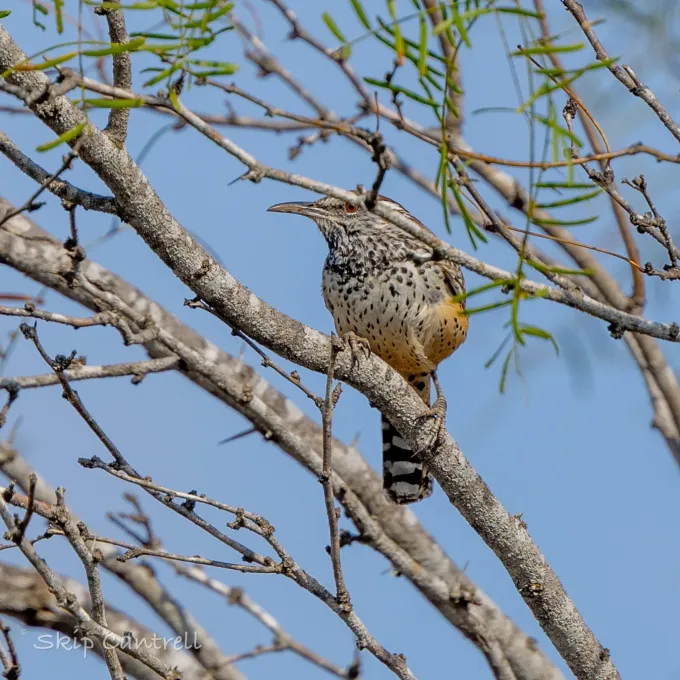
Physically, it is recognized by its brown plumage, white eye-stripes, and a spotted chest, which serves as effective camouflage in desert shrubs.
While often seen as a beneficial insectivore, its nesting habits can pose challenges in agricultural settings, particularly in cactus plantations.
The species builds large, football-shaped, domed nests made of sticks, which can weigh down and damage young horticultural plants.
Understanding the biology of this bird is essential for farmers operating in its native habitat to manage the ecosystem balance effectively.
What it damages
Direct damage occurs when these birds feed on succulent fruits, damaging the epidermis and reducing the commercial quality of the produce.
The construction of nests often involves breaking off tender shoots and young stems of cultivated cacti, which stunts growth and plant development.
Open wounds on fruits caused by pecking serve as entry points for various fungal and bacterial infections, leading to post-harvest decay.
Accumulation of fecal matter around nesting sites can create localized soil nutrient imbalances, potentially stressing specific plants in the vicinity.
In high-density populations, the cumulative effect of these activities can lead to significant aesthetic and economic losses in ornamental plant cultivation.
When it appears
The breeding season typically begins in late winter or early spring, which is when the bird's activity within the orchard is at its peak.
During the warmer months, the birds transition their focus to food searching, which leads to increased interaction with ripening fruit crops.
Their cycle is highly correlated with seasonal rains, which influence the availability of their natural food sources and their nesting success.
Farmers should observe the timeline of nest construction, as this period represents the highest risk of mechanical damage to young plants.
Planning preventative actions before the breeding season is crucial for minimizing the negative impact on agricultural operations.
Signs of infestation
The most prominent sign of a Cactus Wren presence is the large, conspicuous, nest made of twigs and spines located in shrubby vegetation.
Damage to fruit is characterized by irregular pecking patterns and flesh removal, often accompanied by the presence of droppings on the plant surface.
Mechanical stress is evident through bent or snapped stems, especially where the bird has integrated the plant structure into its nest.
A high density of feathers or discarded plant debris beneath specific trees or cactus clusters serves as a clear indicator of a feeding or nesting site.
Auditory identification is also possible, as these birds are quite vocal and frequently use distinct calls to defend their territory.
Control measures
The primary control strategy involves the use of non-lethal deterrents such as reflective tape or motion-activated sound devices to discourage nesting.
Netting of individual high-value plants or entire plots acts as a highly effective physical barrier against both fruit consumption and nest construction.
Regular sanitation, including the careful removal of old, abandoned nests, prevents the birds from reusing these sites in subsequent seasons.
Cultural practices, such as pruning specific branch structures, can make the plants less attractive as stable foundations for nest building.
Monitoring programs help track population trends and allow for timely implementation of protective measures before peak nesting activity occurs.
Taxonomy
- Latin name
- Campylorhynchus brunneicapillus
- Family
- Troglodytidae
- EPPO code
- KMPRBR
Discussion
No discussions yet — be the first.