
Calymnia
Calymnia
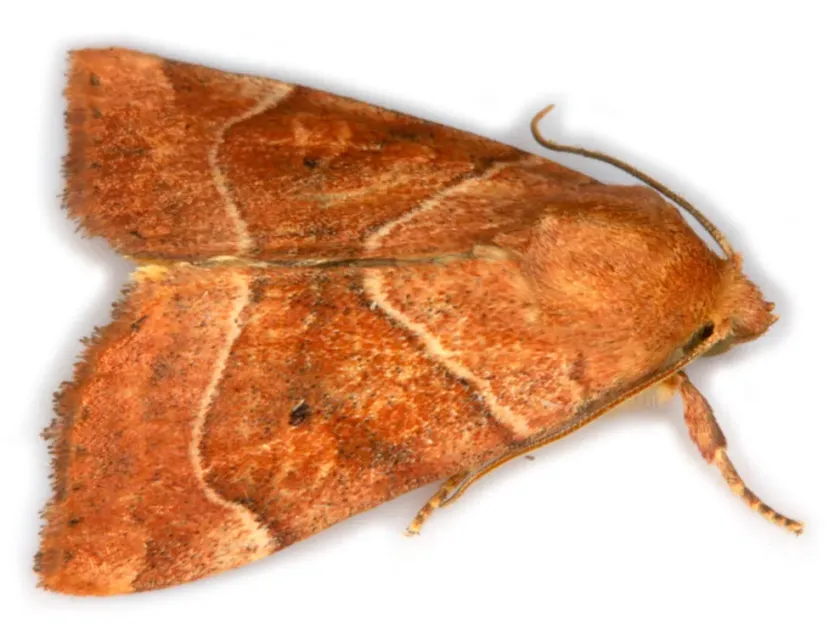
Description
How to identify
Calymnia is a genus of moths belonging to the family Noctuidae (owlet moths). These moths are typically nocturnal and possess cryptic coloration on their forewings, which allows them to blend seamlessly into tree bark, providing excellent camouflage during the daylight hours.
The life cycle of Calymnia follows a complete metamorphosis: egg, larva (caterpillar), pupa, and adult. Identification of the adult stage often requires observation at night or the use of light traps, as they are rarely seen resting on plants during the day.
Larvae are the primary stage causing damage to plants. They are typically cylindrical with a soft, segmented body and well-developed prolegs. As they progress through several larval instars, their size increases significantly, often changing in color or markings.
Overwintering usually occurs in the pupal stage, either in the soil layer beneath the host tree or within sheltered crevices in the bark. This strategic choice of overwintering sites ensures high survival rates even in harsh weather conditions.
Understanding the seasonal emergence of adults is crucial for timing control measures. By monitoring the flight periods of the moths, agricultural professionals can predict the peak period of egg-laying and larval emergence.
What it damages
Calymnia larvae primarily feed on the foliage of deciduous trees and shrubs. During the peak of the growing season, they can cause extensive defoliation, which severely reduces the photosynthetic capacity of the affected trees.
Beyond foliage, the caterpillars often attack buds, flowers, and developing fruits. This feeding behavior is particularly damaging to orchards, as it directly impacts the yield and quality of the harvest.
In forest and nursery settings, severe infestations can lead to stunted growth and branch deformation, especially when the larvae focus on consuming terminal buds. This affects the structural integrity and growth habit of young trees.
The feeding activity creates wounds on the plant tissue, which serve as entry points for various phytopathogens, including fungi and bacteria. This secondary damage can lead to branch dieback or long-term health decline of the tree.
Economic damage is often cumulative, as multiple years of infestation weaken the tree's vigor and its ability to store energy for winter. This makes timely management of Calymnia a priority for maintaining productive plantations.
Signs of infestation
The most visible sign of an infestation is the presence of skeletonized leaves or irregular holes chewed into the leaf blade. Caterpillars often begin by eating the leaf edges before consuming the entire leaf tissue.
Frass (larval excrement) found on the foliage or on silk threads hanging from branches is a clear indicator of active caterpillar feeding. Finding frass during regular inspections is an essential part of early pest detection.
Caterpillars often spin silk to fold leaves together, creating protective shelters for themselves. Checking for these rolled or webbed leaves during the growing season is a highly effective way to locate hiding larvae.
If flowering or fruit-bearing trees exhibit premature shedding of buds or young fruits, it is often a sign of caterpillar feeding within the flower clusters. Close inspection of these clusters often reveals larvae concealed within.
Using light traps in orchards can capture adult moths at night, providing data on the population density. A significant increase in trap catches is a warning sign that control measures should be initiated promptly.
Control measures
Biological control using Bacillus thuringiensis sprays is a highly effective and selective way to manage caterpillar populations. This approach targets the larvae while preserving beneficial insects and predators.
Chemical control options include the application of insecticides during the early larval stages. It is crucial to choose products that have minimal impact on pollinators and to apply them during periods when bees are not active.
Cultural practices, such as cultivating the soil under tree canopies in the late autumn, can destroy pupae overwintering in the ground. This reduces the number of emerging adults in the following spring.
Mechanical control through the use of sticky bands around tree trunks can intercept migrating caterpillars or those searching for pupation sites. This method is safe for the environment and very effective in small-scale orchard management.
Promoting a healthy ecosystem by encouraging natural predators, such as birds and beneficial insects, helps maintain the population of Calymnia below the economic injury level. Maintaining habitat diversity is a key strategy in integrated pest management.
Discussion
No discussions yet — be the first.