
Brumus suturalis
Brumus suturalis
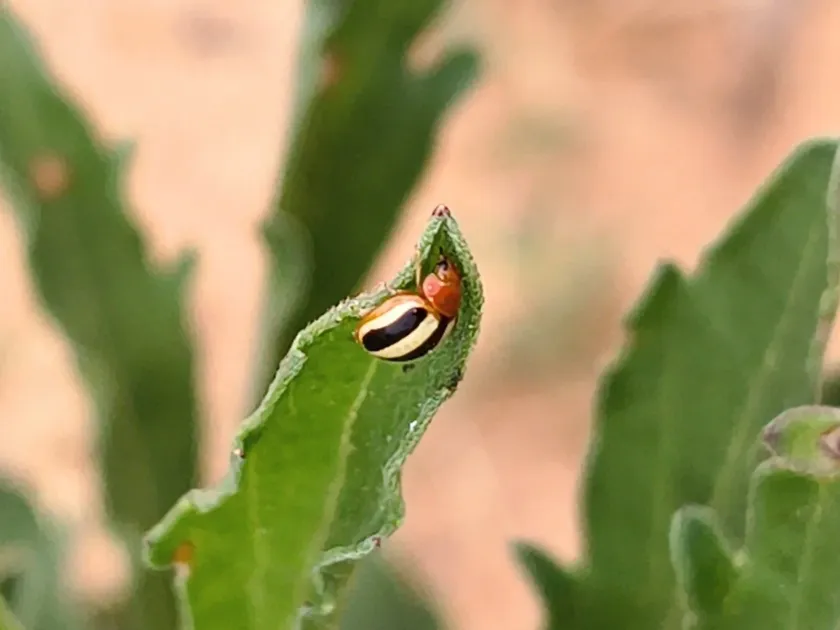
Description
How to identify
Brumus suturalis belongs to the family Coccinellidae (ladybird beetles) within the order Coleoptera. While many ladybirds are predators, this species is noted for its plant-feeding habits, making it a pest of concern for specific crops.
The adult beetle is small and possesses a rounded body shape. The elytra typically feature a yellow to brownish base color with a distinct dark longitudinal suture, which is a key diagnostic feature for field identification.
Larvae are typically campodeiform, displaying high mobility. They are equipped with mandibles designed for grazing on plant tissues, causing localized destruction of leaf surface areas.
The life cycle undergoes complete metamorphosis, comprising egg, larval, pupal, and adult stages. The development speed is highly dependent on ambient temperatures and host plant availability.
Adults are the primary overwintering stage, typically seeking refuge under debris, bark, or in sheltered areas within or near agricultural fields to survive cold weather conditions.
What it damages
This pest is primarily found on various trees, shrubs, and specific ornamental plant species, where it can establish significant populations under favorable conditions.
Feeding damage is caused by both adults and larvae. They scrape or chew the leaf tissues, resulting in skeletonized or perforated foliage which significantly hinders plant photosynthesis.
Severe infestations often lead to leaf curling, chlorosis, and premature senescence of the foliage. This physiological stress directly impacts the plant's overall health and growth vigor.
The presence of Brumus suturalis can also lead to secondary damage, as damaged plant tissues become entry points for various bacterial and fungal pathogens.
Economic losses are usually observed when pest populations peak during the growing season, potentially affecting fruit development and general yield quality if not managed.
Control measures
Effective control involves the application of registered insecticides that target larval stages, providing a quick reduction in population pressure when thresholds are exceeded.
Cultural practices, such as the removal and destruction of crop residues and wintering habitats, are essential for reducing the carry-over population of the pest to the next season.
Integrated Pest Management (IPM) strategies, including the use of biological control agents and biopesticides, are recommended to maintain ecological balance while suppressing pest numbers.
Monitoring programs using visual inspection or specialized traps are crucial for early detection, allowing for targeted and timely intervention before damage becomes widespread.
Maintaining strong plant health through proper fertilization and irrigation helps plants withstand the feeding pressure and promotes faster recovery after pest activity.
Discussion
No discussions yet — be the first.