
Lily borer
Brithys
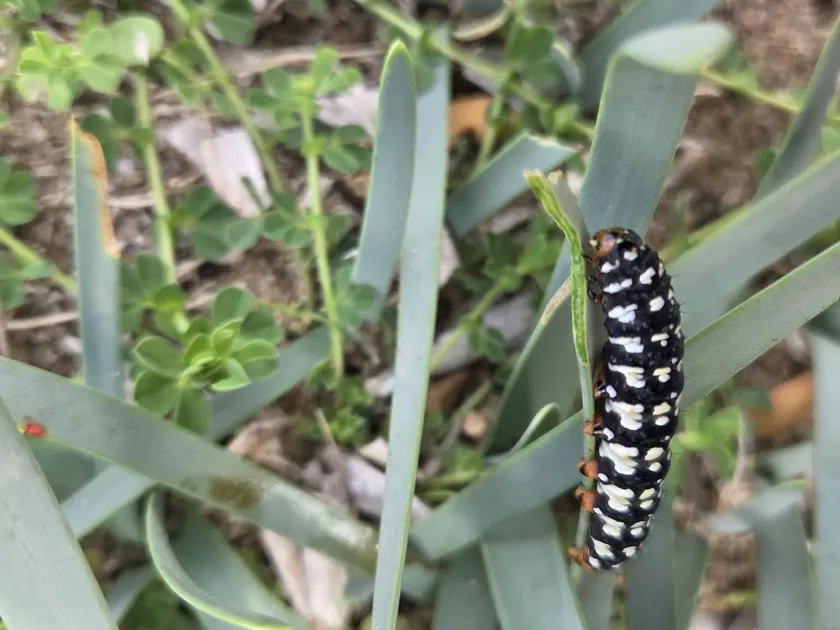
Description
How to identify
The lily borer (Brithys crini) is a species of moth within the Noctuidae family, widely known as a destructive pest of bulbous plants. The adult moth is characterized by cryptic coloration, typically shades of grey and brown, which provides excellent camouflage against garden debris during the daylight hours.
The larval stage is the most damaging phase of its lifecycle. The larvae (caterpillars) are robust, growing up to 5 cm in length, and possess distinct markings, often featuring stripes. Their head capsules are reinforced with hard chitin, enabling them to feed on tough plant fibers.
The lifecycle follows a complete metamorphosis pattern: egg, larva, pupa, and adult. Females deposit eggs in clusters, primarily on the underside of foliage, making early detection a significant challenge for growers who do not perform regular inspections.
Overwintering occurs as a pupa, typically nestled within the soil profile at depths of 10 to 15 centimeters. This subterranean habit serves as a thermal buffer, allowing the pest to survive seasonal fluctuations in temperature in temperate climates.
In warmer regions, the species can complete multiple generations in a single growing season. The emergence of adults is highly synchronized with the spring emergence of their host plants, ensuring an immediate food supply for the newly hatched larvae.
What it damages
The primary hosts of the lily borer include plants in the Amaryllidaceae and Liliaceae families. Popular horticultural species such as Lilium, Hippeastrum, Amaryllis, and Zephyranthes are highly susceptible to infestation and subsequent yield loss.
Larval feeding habits are aggressive; they consume leaf tissues, which significantly hinders the photosynthetic capacity of the plant. This loss of foliage leads to weakened bulbs that fail to store sufficient reserves for the following season's growth cycle.
The larvae often tunnel into the flowering stems, causing internal damage that results in wilting, crooked stems, and the premature abortion of flower buds. This type of damage is particularly devastating to commercial floral production and private collectors.
Severe infestations can lead to the destruction of the bulb itself. As the larvae bore into the crown and neck of the bulb, they create entry points for secondary bacterial and fungal pathogens, which can rapidly rot the entire plant structure.
Economic impacts are most severe in greenhouses and nursery settings where the lack of natural predators and favorable microclimates can lead to exponential population growth, potentially decimating entire batches of ornamental stock.
Signs of infestation
Initial signs of infestation appear as irregular feeding patches or skeletonized leaves. Young larvae often feed in clusters, removing only the green tissue and leaving behind a thin, transparent layer of the leaf epidermis.
Frass, or larval excrement, is a reliable indicator of infestation. Clusters of small, dark pellets found on the soil surface, in leaf axils, or trapped within the foliage indicate that larvae are currently feeding on the plant.
A sudden wilting or yellowing of the flower spike, despite adequate soil moisture, often signals the presence of internal tunneling. If the stem is opened, one can observe tunnels filled with frass and decaying tissue, confirming the presence of a borer.
Nightly monitoring using a flashlight is the most accurate way to detect the larvae. Being primarily nocturnal, they emerge from their hiding spots after dusk to feed on the foliage, making them visible to careful observers.
In cases of bulb infestation, the plant may show stunted growth and a general lack of vigor. If the bulb rot is already in progress, a foul odor may be detected near the base of the plant, indicating that the larval damage has facilitated secondary infection.
Control measures
Cultural control begins with thorough autumn soil cultivation. By turning the soil, pupae buried at shallow depths are exposed to desiccation, predation by birds, or fatal temperature drops during the winter months.
Hand-picking remains a practical solution for smaller gardens. By inspecting plants during the evening and manually removing larvae, growers can significantly reduce the pressure on their garden without the need for synthetic chemicals.
Chemical intervention should be timed to target the larvae during their early development, before they penetrate the internal tissues of the stem. Systemic insecticides are generally the most effective, as they provide lasting protection against biting and boring insects.
Biological controls, such as products containing Bacillus thuringiensis, offer an environmentally friendly alternative. These microbial agents specifically target lepidopteran larvae while remaining safe for beneficial insects, pets, and human handlers.
- Maintain a regular weeding schedule to reduce alternative hosts for the moth.
- Inspect new plant material thoroughly before introducing it to existing beds.
- Use light traps to monitor moth activity and determine the optimal timing for protective applications.
- Remove and dispose of severely infested plants immediately to prevent the spread to healthy stock.
Taxonomy
- Latin name
- Brithys
- Order
- Lepidoptera (butterflies)
- Family
- Noctuidae
- EPPO code
- BRIYSP
Discussion
No discussions yet — be the first.