
Boophilus
Boophilus
Description
How to identify
Boophilus is a genus of ixodid ticks, now often reclassified within the genus Rhipicephalus, known for their significant impact on cattle farming.
These ticks are characterized by a one-host life cycle, meaning the larvae, nymphs, and adults all develop on a single host organism.
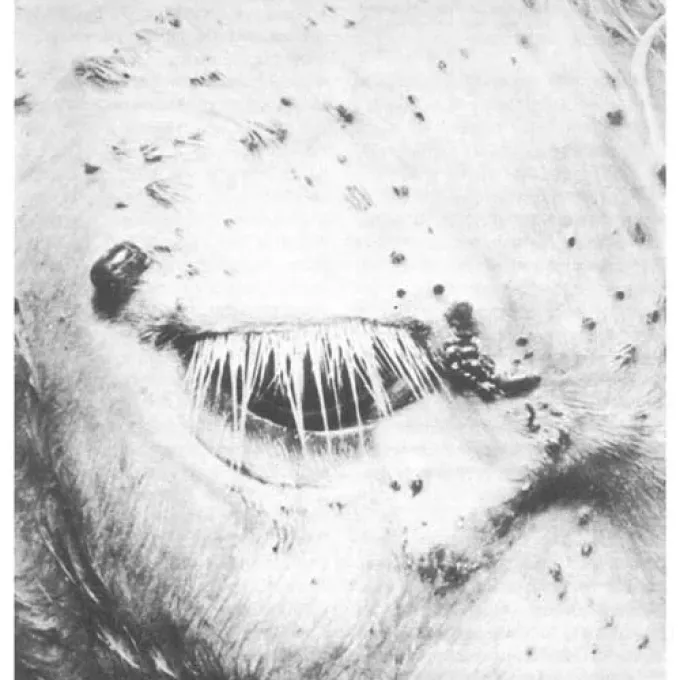
Females are easily identified by their engorged appearance after feeding, while males remain smaller and less conspicuous on the host's skin.
They possess short mouthparts specialized for secure attachment, which allows them to remain firmly fixed to the skin for extended durations.
Identification at the species level requires microscopic examination of structural features, particularly the pedipalps and the anal plate in males.
What it damages
The primary damage caused by Boophilus is their role as vectors for hemoparasitic diseases such as babesiosis and anaplasmosis in cattle.
Direct economic losses result from reduced meat and milk production due to the constant irritation and significant blood loss caused by heavy infestations.
The skin of infested animals often suffers from inflammation and secondary bacterial infections at the bite sites, reducing hide quality.
Stressed animals exhibit lower immunity, making them more susceptible to other diseases and environmental challenges.
In endemic regions, these ticks pose a major barrier to the success of high-yielding cattle breeds, necessitating constant management strategies.
When it appears
The seasonal dynamics of Boophilus are closely tied to temperature and humidity, which dictate the speed of their developmental cycle.
They are most active during warm, humid seasons when environmental conditions allow for the successful hatching of larvae from eggs in the pasture.
In tropical and subtropical climates, the ticks can maintain continuous generations throughout the year, posing a year-round threat.
The winter period is usually spent in a dormant egg stage or as larvae waiting for a suitable host in protected areas of the environment.
Fluctuations in climate can lead to explosive population growth, requiring livestock managers to be vigilant during peak environmental windows.
Signs of infestation
Early signs of infestation include visible restlessness, tail switching, and grooming behavior as cattle attempt to dislodge the parasites.
Ticks are typically found in areas with thinner skin, including the udder, groin, inner thighs, and dewlap, where they aggregate to feed.
General systemic signs include lethargy, fever, and a drop in appetite, which often indicate that the ticks have transmitted pathogenic diseases.
Pale mucous membranes are a clinical indicator of anemia caused by high tick burdens, which can be fatal if left untreated.
Skin lesions, crusts, and localized hair loss in areas where ticks have attached are common indicators of established infestations.
Control measures
Acaricide application remains the most effective control measure, delivered via dips, sprays, or pour-on formulations applied directly to the cattle.
Integrated pest management includes pasture rotation, which denies the larvae a host for long enough to disrupt their life cycle.
Strategic dipping programs are essential in endemic areas to reduce the tick population density to levels that do not cause economic loss.
Vaccination of cattle against tick-borne diseases is a critical tool to mitigate the severe impacts of Boophilus-transmitted infections.
- Use of registered chemical acaricides.
- Strategic pasture spelling and management.
- Regular inspection and manual removal.
- Implementing tick-resistant cattle breeding programs.
Discussion
No discussions yet — be the first.