
Bellura densa
Bellura densa
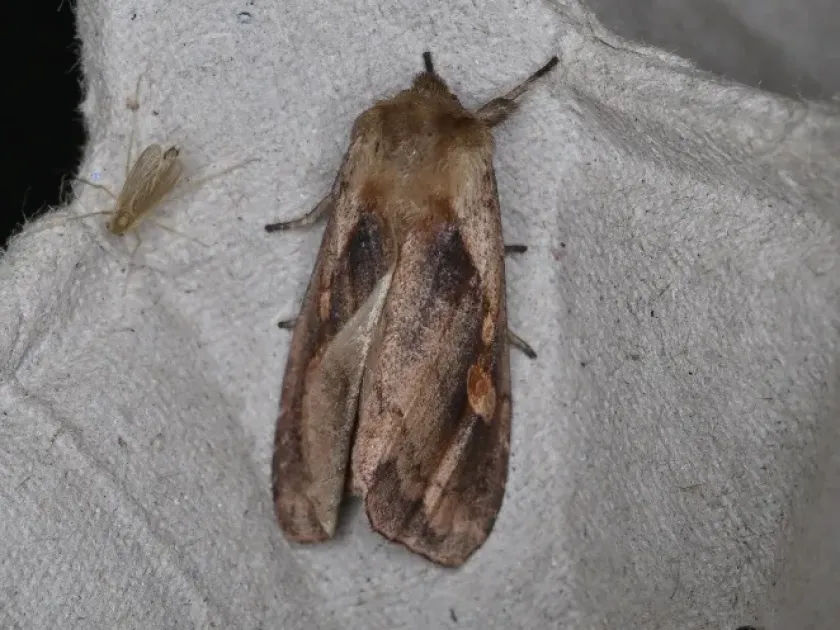
Description
How to identify
Bellura densa is a moth species belonging to the family Noctuidae. The larvae, commonly known as waterhyacinth borers, are highly specialized feeders that spend the majority of their developmental stages within the stems of aquatic host plants.
The adult moth is relatively small with mottled brown or yellowish wings, perfectly adapted to blend into the surrounding vegetation. They are nocturnal insects, making them difficult to detect without the use of light traps or targeted nocturnal observation.
The life cycle consists of the egg, larval, pupal, and adult stages. Eggs are typically deposited by the female on the leaves of the host plant, and upon hatching, the young larvae immediately bore into the plant tissue.
Pupation occurs within the protective environment of the plant stem or petiole, which provides stability and shelter. This internal development is a key survival strategy for the species, protecting them from many common environmental hazards.
Due to its highly specific diet, Bellura densa has been extensively studied as a potential biological control agent for invasive waterhyacinth populations in various parts of the world, including North America and Africa.
What it damages
The primary host plant for Bellura densa is the waterhyacinth (Eichhornia crassipes). The larvae cause damage by boring deep tunnels into the petioles and stems, which significantly disrupts the plant's vascular system.
The internal feeding activity of the larvae leads to structural weakening of the plant. As the vascular tissues are destroyed, the plant struggles to transport water and nutrients, resulting in chlorosis, wilting, and eventually the death of the infested leaves.
In dense populations, the larvae can cause substantial decline in waterhyacinth cover. This makes them a subject of interest for ecological restoration projects, where invasive aquatic weeds are hindering the health of freshwater ecosystems.
While often beneficial for suppressing weeds, Bellura densa can be a nuisance in managed ornamental ponds. When infestations occur in private gardens or plant nurseries, they can quickly destroy valuable aquatic plant collections.
The damage is cumulative. Once a petiole is hollowed out, it loses structural integrity and collapses, creating a ripple effect that damages the entire plant rosette, potentially leading to its detachment and death.
Signs of infestation
The most visible sign of an infestation is the presence of small entry holes on the petioles or stems of the aquatic plants. Fine, granular frass is often observed near these openings, indicating recent feeding activity.
Infested plants show clear symptoms of distress, including yellowing leaves, premature browning, and drooping. Even with adequate light and water, the plant may look wilted due to the damaged vascular system.
Dissecting a suspect petiole often reveals internal tunneling, which may contain larvae in various stages of growth. These tunnels are typically lined with plant material and feces, confirming the activity of the borer.
In severe infestations, the central part of the plant rosette may appear rotten. This is often a secondary symptom where opportunistic pathogens have entered through the holes bored by the larvae.
Floating plant debris on the surface of the pond can also serve as an indicator. The weakened petioles often break, causing healthy-looking leaf clusters to separate from the main plant body and float away.
Control measures
Manual removal is the most straightforward control method for small-scale infestations. Carefully picking off and destroying the infested petioles can significantly reduce the pest population in decorative or nursery settings.
Chemical control is rarely recommended due to the high sensitivity of aquatic ecosystems. Most insecticides are toxic to aquatic organisms, including fish and beneficial macroinvertebrates, so they should be avoided in open water.
Biological control strategies involving the augmentation of natural predators or pathogens can be effective in integrated pest management programs. This approach focuses on restoring natural balances within the ecosystem.
Maintaining high water quality and managing the density of plant populations are essential cultural practices. A less crowded environment can help limit the rapid spread of the borer between host plants.
Strict quarantine and inspection measures are necessary when introducing new aquatic plants into a pond. Checking the stems for signs of entry holes can prevent the accidental introduction of Bellura densa larvae to new locations.
Taxonomy
- Latin name
- Bellura densa
- Order
- Lepidoptera (butterflies)
- Family
- Noctuidae
- EPPO code
- ARZADE
Discussion
No discussions yet — be the first.