
Bellura
Bellura
Description
How to identify
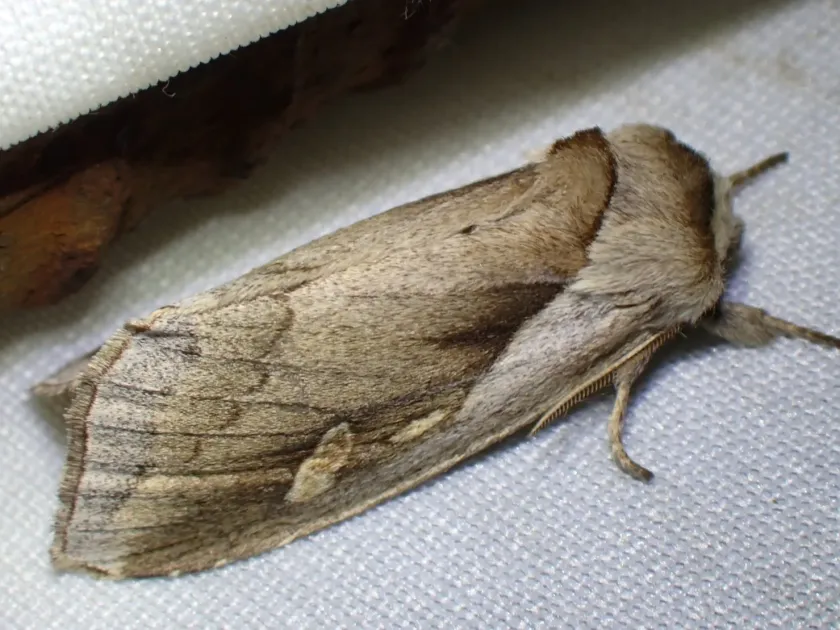
The genus Bellura (family Noctuidae, order Lepidoptera) consists of specialized moths whose caterpillars lead a cryptic lifestyle. The adults are medium-sized moths with cryptic coloration that allows them to blend in with emergent and aquatic vegetation.
The caterpillars of these pests have a physical structure adapted for life in high-humidity environments. They possess a cylindrical body, often colored in shades of brown or gray, which assists in camouflaging them inside stems or leaf petioles.
Identification is challenging due to the caterpillar's hidden feeding behavior. A key diagnostic feature is the presence of larvae inside the plant tissues, where they spend the majority of their development cycle.
The life cycle includes complete metamorphosis: egg, larva (caterpillar), pupa, and adult. Depending on the species, development can take a significant amount of time, with pupation often occurring either inside the stem or in the bottom substrate.
Distinguishing between different species within this genus is important, as they may specialize on different plant hosts, though morphological differences between larvae often require microscopic analysis.
What it damages
Bellura is a highly specialized pest that primarily affects aquatic and semi-aquatic plants. Host plants include water lilies (Nymphaea), spatterdocks (Nuphar), and other members of the Nymphaeaceae family.
Caterpillars cause severe damage by boring into leaf petioles and flower stalks. They consume internal tissues, disrupting nutrient transport to the plant's aerial parts, which leads to premature wilting and decline.
During outbreaks, this pest can destroy a significant portion of a pond's vegetation. This not only impairs the aesthetic quality of the pond but also reduces the plant's overall vitality, hindering flowering and preparation for the dormant season.
The damage caused by larvae often creates entry points for secondary fungal and bacterial infections. In feeding areas, tissues begin to decay, accelerating the death of the entire leaf or flower bud.
This pest poses a specific threat to decorative ponds and botanical collections, where the preservation of individual water lily specimens is essential for landscape design.
When it appears
Insect activity is directly linked to the water temperature and the surrounding environment. The first adults emerge in early summer when the water has warmed sufficiently to support larval development.
The peak of larval damage occurs in mid-summer, during the period of most vigorous plant growth. During this time, caterpillars feed intensely on water lily tissues in preparation for pupation.
Depending on geographical latitude and climatic conditions, one or two generations may occur per season. In warmer regions, the pest can remain active until late August or early September.
The overwintering stage typically involves either a pupa located in plant debris or soil, or older-instar caterpillars sheltering in protected areas.
Monitoring for the pest should begin as soon as the first water lily leaves emerge on the water surface, as this is when the adults begin depositing eggs.
Signs of infestation
A visual sign of the pest's presence is the appearance of small entry holes on the surface of petioles or leaves, often surrounded by larval frass (excrement).
Infested leaves start to yellow, curl, and prematurely sink beneath the water surface. Breaking open a damaged petiole often reveals the caterpillar itself or the tunnels it has created.
The death of flower buds before they open can also indicate the activity of this pest. If a bud wilts or leans to the side, it is advisable to check the base for signs of boring.
The presence of adult moths near the pond at night is an indirect sign of potential infestation. It is recommended to use light traps to monitor population levels.
Damaged plant sections often appear "eaten out" from the inside, although the outer skin of the leaf may remain intact until the structural damage becomes critical.
Control measures
The primary control method in private ponds is the manual removal and destruction of infested plant parts. All damaged leaves and petioles containing larval tunnels should be cut and disposed of properly.
Agronomic management includes regular cleanup of the pond by removing dead vegetation in the autumn. This eliminates overwintering sites for the pest and reduces the population for the following season.
In cases of severe infestation, the use of biological control agents based on Bacillus thuringiensis may be effective against Lepidoptera larvae while being relatively safe for other pond inhabitants.
The use of chemical insecticides in ponds is strongly discouraged due to their high toxicity to fish and other aquatic organisms. Any control strategy must comply with environmental and safety regulations.
Prevention relies on maintaining high plant vitality through proper fertilization and lighting, as healthy water lilies exhibit increased resistance to pest damage.
Taxonomy
- Latin name
- Bellura
- Order
- Lepidoptera (butterflies)
- Family
- Noctuidae
- EPPO code
- BELRSP
Discussion
No discussions yet — be the first.