
Bedellia annuligera
Bedellia annuligera
Description
How to identify
Bedellia annuligera is a species of moth belonging to the Bedelliidae family within the order Lepidoptera. This small moth is characterized by its slender build and specialized lifestyle, where the larval stage is exclusively spent as a leaf miner.
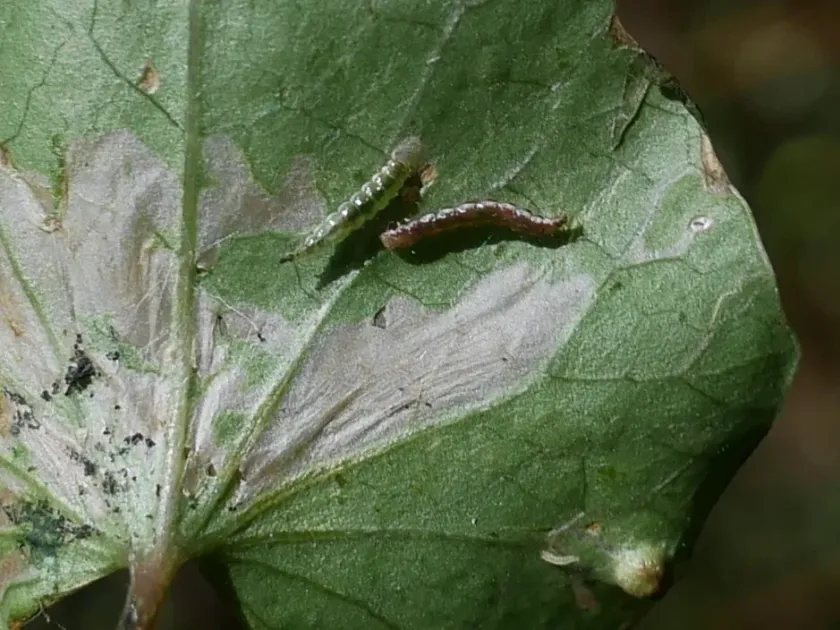
The larva, or caterpillar, is the primary stage responsible for feeding damage. It features a translucent, greenish body that blends seamlessly with the mesophyll tissues of the host plant, making early detection a significant challenge for farmers.
The life cycle undergoes complete metamorphosis, including egg, larva, pupa, and adult (imago). The adult moths are nocturnal, typically remaining hidden during the day and becoming active in the evening hours to mate and lay eggs.
Pupation frequently occurs outside the leaf in a delicate, silk-spun cocoon. These cocoons are often attached to the surface of leaves or stems, utilizing a unique silken anchor system to protect the developing pupa from environmental stress.
Generation turnover is highly influenced by ambient temperature and humidity. In favorable climates, the moth can complete multiple generations per season, leading to rapid population growth if not kept in check.
What it damages
The primary host plants for Bedellia annuligera are species within the Convolvulaceae family, most notably sweet potato and various ornamental morning glory varieties. The larvae derive their nutrition by consuming the internal parenchyma of the leaves.
As the larvae mine through the leaf tissues, they disrupt the plant's ability to perform photosynthesis efficiently. This leads to yellowing, necrosis, and premature leaf senescence, which weakens the overall vitality of the plant.
Heavy infestations significantly reduce the crop's yield potential, particularly in tuber-bearing plants like sweet potatoes, where the plant relies heavily on leaf energy production to develop its edible parts.
The damaged leaf surfaces act as entry points for secondary pathogens, including bacteria and fungi, which can exacerbate the physical damage caused by the mining activity and lead to leaf spots or blight.
Severe infestations can result in total defoliation of the plants, which stalls growth, stunts development, and leads to substantial economic losses in commercial production cycles.
Signs of infestation
The most prominent sign of infestation is the appearance of winding, pale-colored tracks or 'mines' on the leaf blades. These represent the pathways where the larva has consumed the interior tissue.
Over time, these narrow mines can expand into larger blotch-like patches. As the inner leaf tissue disappears, the epidermal layer may become papery and thin, showing a distinct light color against the healthy green parts of the leaf.
The presence of fine, dark granular frass (excrement) inside the mines is a diagnostic feature. It confirms that a larva is currently feeding or has recently been active within that specific leaf segment.
Visible leaf curling and signs of webbing near the feeding sites are common indicators. This webbing is often used by the larva as a shelter or to stabilize the leaf before it prepares to pupate.
If you observe small, silk-like cocoons tethered to the underside of the leaves, this is a definitive indicator of the pest's presence in your field, necessitating immediate monitoring and intervention.
Control measures
Cultural management involves the systematic removal of wild Convolvulaceae weeds from the field borders, as these act as alternative hosts for the moth during non-cropping periods.
Biological control using Bacillus thuringiensis (Bt) based formulations is highly recommended. These sprays are effective against early-stage larvae while maintaining the safety of beneficial insects and natural predators.
Chemical insecticides should be considered a last resort. If used, focus on systemic products that target Lepidopteran pests, and strictly adhere to pre-harvest intervals to ensure the safety of the final produce.
Post-harvest sanitation is critical. Removing and destroying crop residues helps eliminate over-wintering pupae, significantly breaking the pest's life cycle and reducing the initial population pressure for the next season.
Regular scouting and the use of pheromone traps provide valuable data on population dynamics. By monitoring the flight periods of adult moths, growers can time their interventions more precisely and effectively.
Discussion
No discussions yet — be the first.