
Bathytricha truncata
Bathytricha truncata
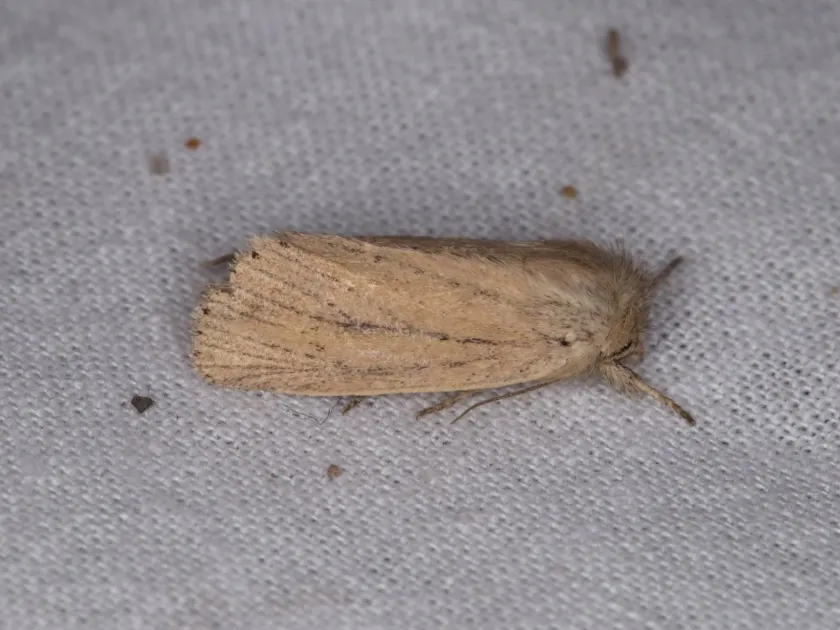
Description
How to identify
Bathytricha truncata is a species of beetle belonging to the order Coleoptera and the family Curculionidae. This insect is a specialized type of weevil with morphology typical for cryptic species within this group.
The adult beetles possess a small, dark-colored body covered in fine scales, which provides excellent camouflage against soil and organic debris. A distinguishing morphological feature is their elongated rostrum (snout).
The larvae are legless, white to cream-colored grubs with a well-developed head capsule. Since their development occurs entirely within plant tissues, they remain protected from most surface-applied insecticides.
Accurate species identification often requires microscopic analysis of reproductive organs or specific characteristics of the elytra, as field identification can be confused with other similar weevil species.
This pest prefers specific microclimatic conditions, typically favoring soils with higher moisture content and sufficient organic matter to support the development of their pre-imaginal life stages.
What it damages
Bathytricha truncata is a significant agricultural pest that primarily attacks the root systems and basal stem areas of perennial grasses and various cereal crops.
Larvae feed on roots by creating tunnels, which disrupts nutrient and water uptake, leading to stunted growth, leaf chlorosis, and, in severe infestations, total plant collapse.
While adult beetles may feed on tender leaves and shoots, creating characteristic notches or holes, the primary economic damage is caused by the cryptic feeding activity of the larvae.
Infested plants become highly susceptible to secondary infections, such as root rot fungi, which further degrade the overall yield and quality of the harvest.
Outbreaks are most common in fields with poor crop rotation practices, where environmental conditions allow for the continuous buildup of pest populations over several growing seasons.
When it appears
The activity of Bathytricha truncata is heavily dependent on soil temperature and moisture levels. Adults typically emerge from overwintering sites once soil temperatures rise above 10 degrees Celsius in the spring.
The egg-laying period is often protracted, resulting in the presence of larvae at various developmental stages throughout the entire growing season, which complicates control efforts.
Overwintering occurs either within the soil profile or under protective crop residues, where the insects remain in a state of diapause until environmental conditions become favorable again.
Adult flight usually occurs during evening or nighttime hours, making them difficult to detect during standard daytime field scouting and monitoring operations.
The most severe damage occurs during the peak growth phases of the crop, when larvae are most active in consuming root tissues.
Signs of infestation
The most visible sign of infestation is patchy yellowing and wilting of the crop, which cannot be explained by irrigation deficits or nutrient deficiencies.
Upon careful inspection of the root zone, one can identify signs of larval activity, including tunneling in the crowns and roots, and find the larvae themselves within these damaged tissues.
The presence of adults can be confirmed through the use of sweep nets during the evening hours or by utilizing soil traps placed strategically around the field perimeter.
- Patchy thinning of seedlings or suppressed growth in established plants.
- Internal tunneling within root systems and stem bases.
- Visible adult beetles on foliage during night scouting.
- Presence of secondary fungal rot in damaged tissue areas.
A noticeable decline in biomass production or seed yield serves as a lagging indicator that the pest population has exceeded the economic threshold.
Control measures
Effective management of Bathytricha truncata requires an integrated approach that combines cultural practices with targeted chemical interventions.
The foundation of control is a robust crop rotation program that excludes host plants, thereby breaking the life cycle of the weevil in the affected fields.
Regular weeding and deep autumn plowing are essential cultural methods that significantly reduce the density of overwintering populations and prevent further spread.
In cases of high population pressure, soil-applied insecticides can be used; these should be timed to target the larvae during planting or early growth stages.
Monitoring using pheromone traps allows for precise timing of pesticide applications, ensuring maximum efficacy while minimizing unnecessary chemical exposure.
Taxonomy
- Latin name
- Bathytricha truncata
- Order
- Lepidoptera (butterflies)
- Family
- Noctuidae
- EPPO code
- PHRGTR
Discussion
No discussions yet — be the first.