
Baetisca
Baetisca
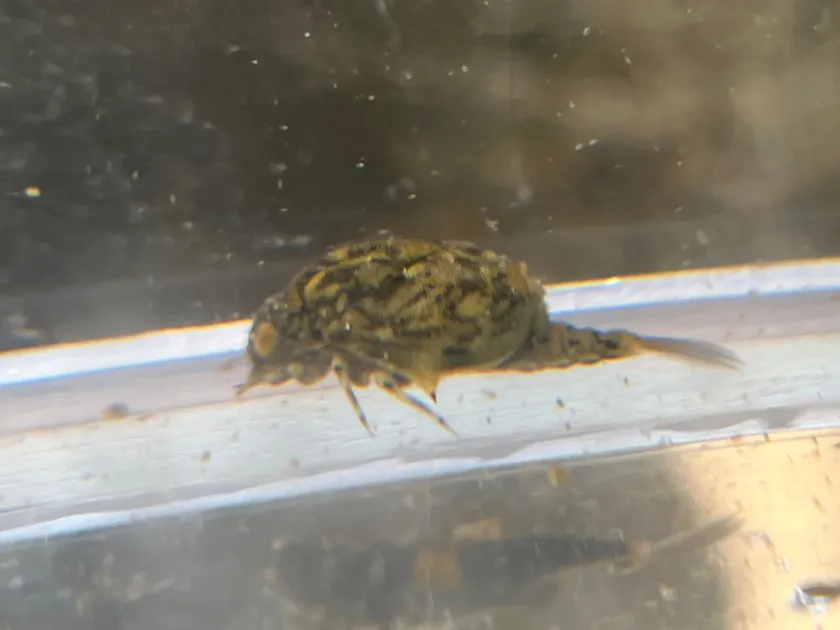
Description
How to identify
Baetisca is a genus of mayflies (order Ephemeroptera) belonging to the family Baetiscidae. These insects are distinguished by their unique larvae, which possess a large dorsal shield covering the thorax and parts of the abdomen.
The adult mayflies, or imagoes, have a very brief lifespan, typically ranging from a few hours to a couple of days. They lack functional mouthparts, as their sole purpose is reproduction.
The larvae are primarily aquatic, dwelling in clear, flowing streams or rivers. Their body structure is highly adapted for stability on the sandy or gravelly substrates of the riverbed.
Growth involves a series of molts, with the larval stage being the most prolonged phase of their life cycle, sensitive to environmental conditions and water quality.
In agricultural settings, they are not typical crop pests but are recognized as biological indicators of clean water sources used for irrigation.
What it damages
Baetisca larvae do not directly consume crops or foliage, as they feed mainly on organic detritus and algae within aquatic ecosystems.
The primary concern for farmers is the potential for larvae to enter irrigation pipelines, where they can accumulate in intake screens and filtration systems.
Obstructions in irrigation systems caused by these larvae can lead to pressure drops and uneven water distribution, which indirectly affects crop health.
Maintenance costs for irrigation equipment may increase if regular cleaning of filters is required to prevent blockages during peak larval emergence periods.
While they do not destroy plants, their presence in large numbers in water reservoirs requires technical management to ensure smooth operation of irrigation pumps.
When it appears
The adult emergence of Baetisca typically occurs during the spring and summer months, corresponding with optimal conditions for mating and oviposition.
Larvae are present in water bodies year-round, with increased activity and development occurring during the warmer seasons when water temperatures rise.
The life cycle is closely tied to thermal regulation; warmer waters significantly accelerate the rate of larval growth and subsequent metamorphosis.
In autumn, as temperatures decline, the larval growth rate decreases, and the population prepares to overwinter within the substrate.
The timing of emergence can vary based on regional climate, necessitating seasonal monitoring of irrigation water sources.
Control measures
Effective control primarily involves physical exclusion methods rather than chemical intervention, which is unsuitable for aquatic environments.
Installing high-quality mesh filters on irrigation pump intakes is the most reliable way to prevent larvae from entering the distribution system.
Routine maintenance and cleaning of irrigation canals and retention ponds can reduce the accumulation of larvae by managing their preferred habitat.
Monitoring the quality of irrigation water allows growers to anticipate periods of higher larval activity and adjust maintenance schedules accordingly.
Integrated water management practices that prioritize filtration and debris removal are sufficient to mitigate any potential operational issues caused by Baetisca.
Taxonomy
- Latin name
- Baetisca
- Family
- Baetiscidae
- EPPO code
- BAEXSP
Discussion
No discussions yet — be the first.