
Autoplusia
Autoplusia
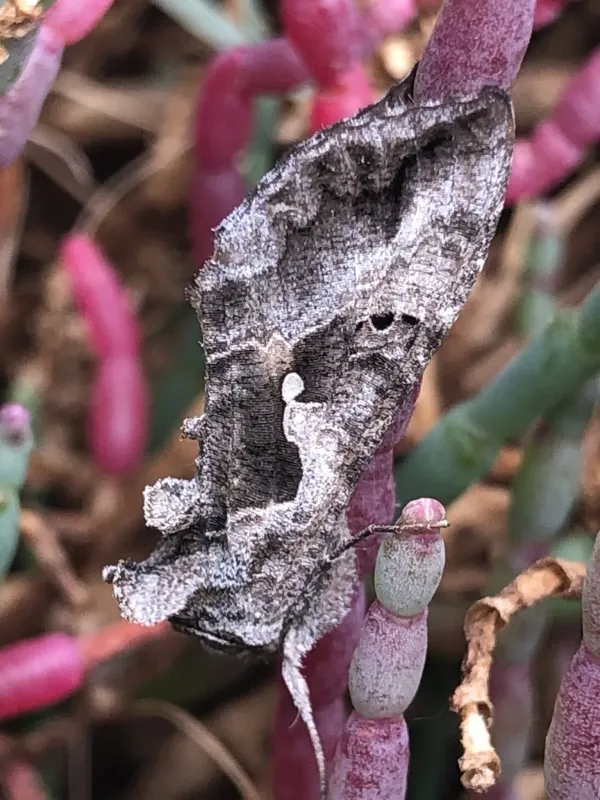
Description
How to identify
Autoplusia is a genus of moths belonging to the Noctuidae family. These insects are characterized by their typical moth-like morphology, often featuring metallic-colored markings on their forewings, which serve as camouflage among foliage.
The larvae, commonly known as caterpillars, usually display green coloration, allowing them to blend into the leaves of host plants. They exhibit a characteristic looping movement due to their specific proleg arrangement, a trait common among members of the Plusiinae subfamily.
The life cycle encompasses four distinct stages: egg, larva, pupa, and adult. Environmental conditions, particularly temperature and humidity, significantly influence the duration of each developmental stage and the number of generations per year.
Pupation often occurs within silk cocoons spun on the undersides of leaves or in the top layer of the soil. This pupal stage acts as a protective phase that allows the insect to endure periods of environmental stress.
Adult moths are primarily nocturnal, remaining hidden within dense vegetation or debris during the day to avoid avian and insect predators, making them difficult to detect without specialized monitoring tools.
What it damages
Autoplusia species are known polyphagous pests, capable of feeding on a wide range of agricultural, horticultural, and ornamental crops. Their broad host range makes them a persistent threat to diverse cultivation systems.
Larval feeding causes the most significant damage. Young caterpillars consume the leaf epidermis, while older larvae devour large portions of the leaf blade, often leaving only the main veins behind in severe infestations.
Extensive defoliation significantly reduces the photosynthetic capacity of the plant, leading to stunted growth, reduced vigor, and a decline in overall harvest quality and quantity.
Besides leaf damage, these pests may feed on developing buds, flowers, and tender shoots. This destruction of reproductive organs can lead to direct yield loss and increased susceptibility to secondary plant diseases.
In high-density populations, the accumulation of larval frass can also degrade the quality of leafy vegetables, rendering them unsuitable for market and causing substantial economic loss for producers.
When it appears
The emergence of adult moths typically correlates with the onset of warming temperatures in the spring. Regional climate patterns dictate the specific timing of the first flight, which initiates the cycle for the new growing season.
The number of generations produced in a year depends on the length of the warm season and local climatic stability. In optimal conditions, multiple overlapping generations can occur, leading to a constant threat during the summer.
Mid-summer often represents the peak period for larval activity, as population numbers reach their maximum due to the successful completion of initial generations, requiring increased vigilance from growers.
As temperatures drop in the autumn, the lifecycle begins to slow down, with insects entering a diapause or overwintering stage as either pupae in the soil or larvae hidden in sheltered areas.
Monitoring weather data and local pest pressure is essential for predicting periods of high risk, allowing for the timely deployment of preventative or remedial control measures.
Signs of infestation
Initial signs of infestation often include irregular holes in the leaves, caused by early larval feeding. As the caterpillars grow, these holes enlarge, becoming a clear indicator of a developing pest problem.
The presence of dark, pellet-like frass on the leaves or soil surface beneath plants is a definitive sign of Autoplusia activity. Frequent monitoring for these droppings is key to early detection.
Caterpillars often use silk to bind leaf edges or create protective shelters. Detecting this webbing is a strong indicator that the pests are present and actively colonizing the crop canopy.
Visible stress symptoms, such as the wilting of terminal shoots or necrotic spots on leaves near feeding sites, suggest that the infestation has reached a level requiring immediate intervention.
Using light traps or pheromone lures is an effective way to detect the presence of adult moths, providing an early warning signal that allows farmers to prepare for the arrival of the next generation.
Control measures
Managing Autoplusia requires an Integrated Pest Management (IPM) approach that emphasizes a combination of cultural, biological, and chemical control methods to maintain populations below economic thresholds.
Cultural practices, such as maintaining clean fields and removing weeds, are essential because they eliminate alternative hosts and disrupt the lifecycle of the moth during the off-season.
Biological control, utilizing beneficial predatory insects, parasitoids, or microbial pesticides based on specific bacteria or viruses, provides an environmentally sustainable way to suppress larval populations.
Chemical control should be applied judiciously, targeting the most vulnerable larval stages with selective insecticides. This minimizes the impact on non-target organisms and preserves the balance of the local ecosystem.
- Regular field scouting to monitor pest density.
- Use of selective insecticides to protect beneficial insects.
- Implementing crop rotation to break the pest's life cycle.
Taxonomy
- Latin name
- Autoplusia
- Order
- Lepidoptera (butterflies)
- Family
- Noctuidae
- EPPO code
- AUTOSP
Discussion
No discussions yet — be the first.