
Atherosperma
Atherosperma
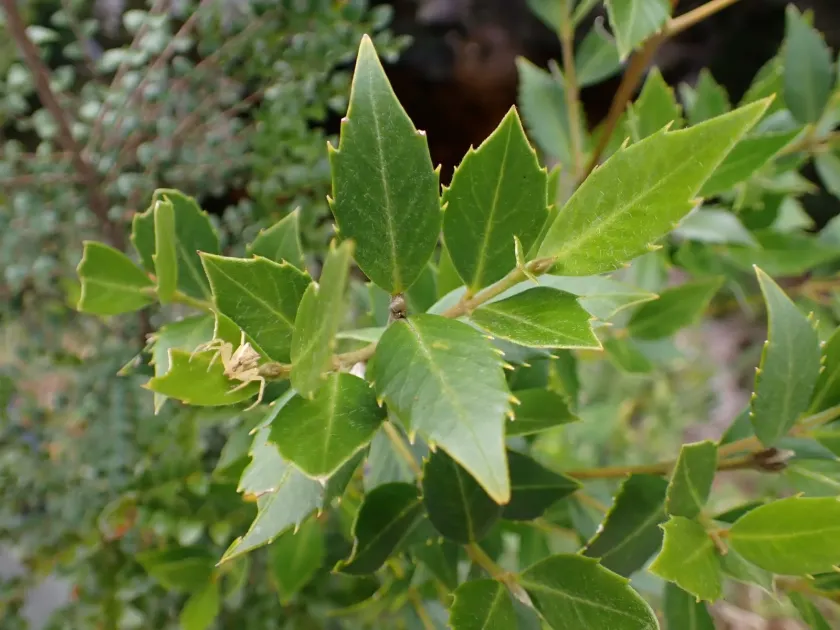
Description
How to identify
The genus Atherosperma is primarily a botanical term, but in the context of plant health, it serves as the host for specific wood-boring pests.
Identification of the pest requires careful observation of larvae characteristics, which are often hidden beneath the bark layer.
Adult insects associated with this genus exhibit high morphological variability depending on the specific microclimate of the habitat.
Entomologists typically use specialized traps and microscopic examination to differentiate between various species that attack the host.
The coloration of the adult stage often mimics the texture and color of the bark, providing excellent protection against natural predators.
What it damages
The primary damage caused by this pest is the disruption of the vascular system in woody plants due to tunneling activities.
The larvae feed on the inner bark and cambium, which is critical for the nutrient transportation of the plant.
Infested trees show reduced vigor and growth rates, often leading to partial dieback of the canopy in severe cases.
Young plants and seedlings are particularly vulnerable, as even minor damage can lead to the death of the entire specimen.
Secondary damage often occurs when the open wounds left by the pests invite pathogenic fungi or bacterial infections.
When it appears
The life cycle of the pest is strictly seasonal, with major activities occurring in early spring and mid-summer.
Egg-laying periods are perfectly synchronized with the phenological phases of the host tree to ensure larval survival.
Winter diapause is essential for the pest to withstand cold temperatures, typically occurring in protected areas within the soil or bark crevices.
Monitoring the temperature thresholds is crucial for predicting the peak emergence times for targeted treatment.
Climate change patterns have shown shifts in the emergence period, requiring continuous observation of the pest population dynamics.
Signs of infestation
Early symptoms include localized bark discoloration and small sap-bleeding wounds on the main trunk of the tree.
The presence of fine wood dust, commonly known as frass, at the base of the tree is a hallmark sign of deep-tissue infestation.
Leaf yellowing and wilting, despite regular watering, often indicate that the pest has effectively disrupted the tree's internal water flow.
Branch dieback usually starts from the top of the canopy and gradually moves downward as the infestation progresses.
- Visible boring holes in the bark.
- Bark cracking and loosening.
- Abnormal sap flow (gummosis).
- Withered appearance of terminal shoots.
Control measures
Integrated Pest Management (IPM) is the most effective approach, combining physical removal of infested branches with chemical controls.
Systemic insecticides applied to the roots or trunk can provide effective relief when used in accordance with manufacturer instructions.
Maintaining proper tree health through balanced fertilization and irrigation significantly improves the plant's natural resistance.
Biological control agents, such as specialized predatory wasps, can be used to naturally manage the pest population in large plantations.
Strict quarantine measures should be observed when introducing new plants into the area to prevent the spread of the pest to healthy specimens.
Discussion
No discussions yet — be the first.