
Aspidiotiphagus
Aspidiotiphagus
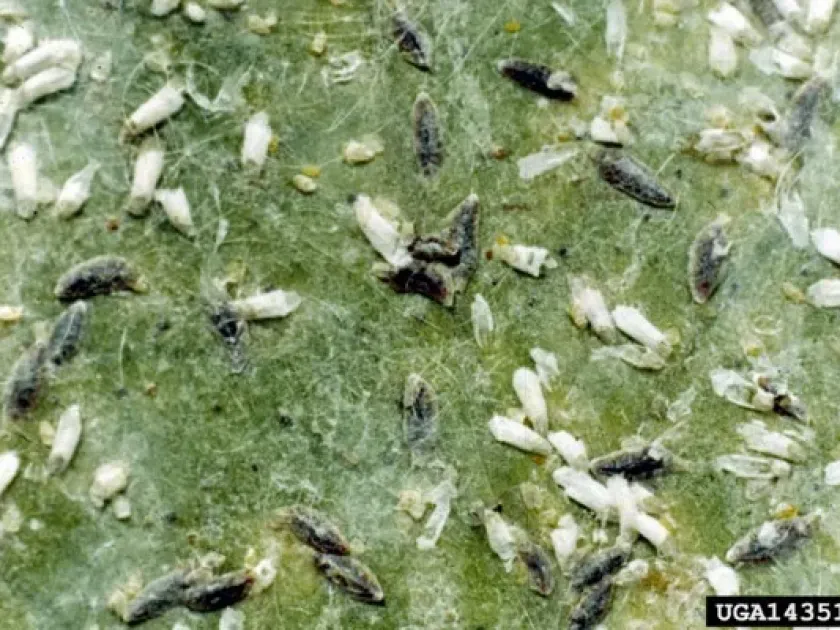
Description
How to identify
Aspidiotiphagus is a genus of minute parasitic wasps within the family Aphelinidae. These insects are essential allies in agriculture, acting as highly efficient parasitoids that target various species of armored scale insects (Diaspididae).
Adult wasps are extremely small, often less than 1 mm in length. Despite their microscopic size, they possess sophisticated sensory organs that allow them to locate host scales on leaves and bark with remarkable precision, making them ideal biological control agents.
What it damages
This organism is not a plant pest; rather, it is a beneficial entomophage. It focuses its life cycle entirely on parasitizing the larval and pupal stages of scale insects, which are known to cause significant damage to fruit trees and ornamental plants.
By consuming the internal tissues of the scale insect during its larval development, the wasp prevents the pest from reproducing. This biological interaction is crucial for maintaining the health of agricultural crops without the need for chemical intervention.
When it appears
The activity of Aspidiotiphagus is synchronized with the life cycle of its hosts. The wasps are most active during the periods when scale insects are in their mobile or young crawler stages, which are the most susceptible phases for parasitism.
In temperate climates, the activity peaks during the warmer months, while in controlled environments like greenhouses, they can maintain active populations throughout the year. Favorable temperature and humidity are key to maximizing their reproductive rates.
Signs of infestation
The presence of Aspidiotiphagus can be detected by examining scale insect colonies on the plants. Look for small, perfectly circular emergence holes on the surface of the scales, which indicate that a new generation of wasps has emerged.
Additionally, a gradual decline in the vigor and quantity of scale insects is a primary indicator of successful biological control. Healthy colonies will gradually be replaced by empty or desiccated shells, confirming the effectiveness of the parasitoid.
Control measures
To support Aspidiotiphagus populations, it is vital to avoid broad-spectrum insecticides that harm beneficial insects. Implementing an Integrated Pest Management (IPM) approach is the most effective strategy to ensure these parasitoids thrive.
Cultivating a habitat that supports these wasps, such as minimizing chemical exposure and maintaining plant health, allows the natural control of scale insects to function efficiently. This sustainable method reduces reliance on toxic chemicals in agricultural production.
Discussion
No discussions yet — be the first.