
Arzama
Arzama
Description
How to identify
Arzama is a genus of moths belonging to the family Noctuidae. These insects are recognized as significant pests in agriculture due to their larvae's ability to bore into and damage various plant species, particularly those with succulent stems.
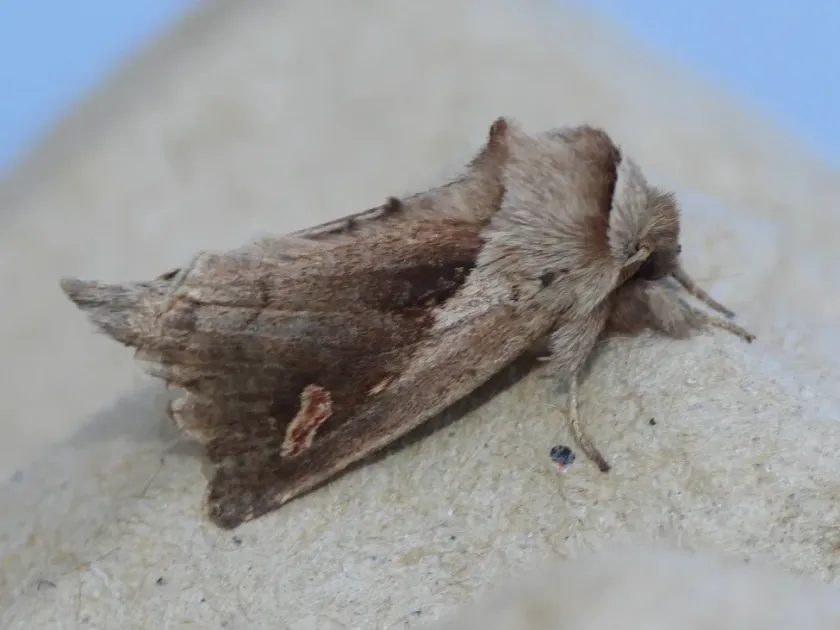
The adult moths are typically cryptic in color, often showing shades of brown and gray that allow them to blend into natural surroundings. Their wingspan generally falls within the range of 30–40 mm, making them moderate-sized lepidopterans.
The larval stage is the most destructive, characterized by a robust body, a distinct head capsule, and chewing mouthparts. They vary in color depending on the species and their instar development stage.
Taxonomically, they fall under the order Lepidoptera. Their life cycle is influenced by environmental conditions, and they are capable of completing multiple generations in regions with favorable climate patterns.
Detection often requires a combination of nocturnal monitoring with light traps and periodic visual inspections of field crops to find early signs of infestation.
What it damages
The primary damage caused by Arzama larvae involves internal feeding within the plant stems. By tunneling through the center of the stem, the larvae disrupt the vascular system responsible for nutrient and water transport.
This feeding behavior often leads to the wilting and eventual death of the growing point, commonly referred to as the terminal bud. Consequently, the plant stops growing and may fail to produce viable fruits or seeds.
The mechanical damage inflicted by the larvae also provides entry points for secondary pathogens, including bacteria and fungi, which can exacerbate the decline of the plant tissue.
Field-level damage can be significant, especially if the infestation remains undetected until the larvae have reached a stage where chemical intervention is less effective due to their internal lifestyle.
Economic impact is measured by reduced harvest yields and the cost of necessary remedial treatments required to stop the spread of the population across the plantation.
When it appears
The life cycle of Arzama typically begins with overwintering as a pupa or mature larva hidden deep within soil crevices or protected by plant debris at the base of the crop.
As spring temperatures rise, the overwintering generation emerges as adults. The timing of this emergence is critical for pest management planning and monitoring programs.
Once active, the adult moths mate, and females lay eggs on suitable host plants. The incubation period is relatively short, allowing for rapid colonization of field crops.
During the summer months, the pest activity peaks, which often coincides with the most sensitive growth phases of many crops. Multiple overlapping generations may occur depending on the latitude and seasonal heat accumulation.
As autumn arrives, changing photoperiods and cooling temperatures trigger the transition toward dormancy, marking the end of the active seasonal cycle for that year.
Signs of infestation
An early indicator of an Arzama infestation is the presence of small entry holes on the stalks, often accompanied by the accumulation of frass (larval waste) near these holes.
Wilting of the terminal leaves while the rest of the plant appears temporarily healthy is a hallmark sign that the internal tissues have been compromised by a boring larva.
Upon closer examination, leaf surfaces may show signs of feeding damage during the young larval stages before they move into the interior parts of the plant.
Dissecting a suspect stem will reveal internal tunnels, larval galleries, and the presence of the pest itself, confirming the diagnosis.
Stunted growth or irregular maturation patterns within a field often point to an established colony of Arzama, requiring immediate investigation and action.
Control measures
Cultural control is the first line of defense. Deep plowing after harvest helps destroy overwintering pupae and larvae, significantly reducing the population for the next season.
Maintaining clean fields by removing weeds that may serve as alternative hosts is vital. This limits the survival of the larvae when the primary crop is not available.
Biological controls, such as the use of parasitic wasps or entomopathogenic fungi, can be integrated into the management plan to provide sustainable suppression of the pest.
Chemical applications should be targeted during the egg-hatch stage. Once the larvae have entered the stems, systemic insecticides are required to reach the pest within the plant tissues.
- Crop rotation to break the pest life cycle
- Use of pheromone traps for population density tracking
- Timely destruction of plant residues post-harvest
- Application of specialized systemic insecticides as needed
Discussion
No discussions yet — be the first.