
Apina
Apina
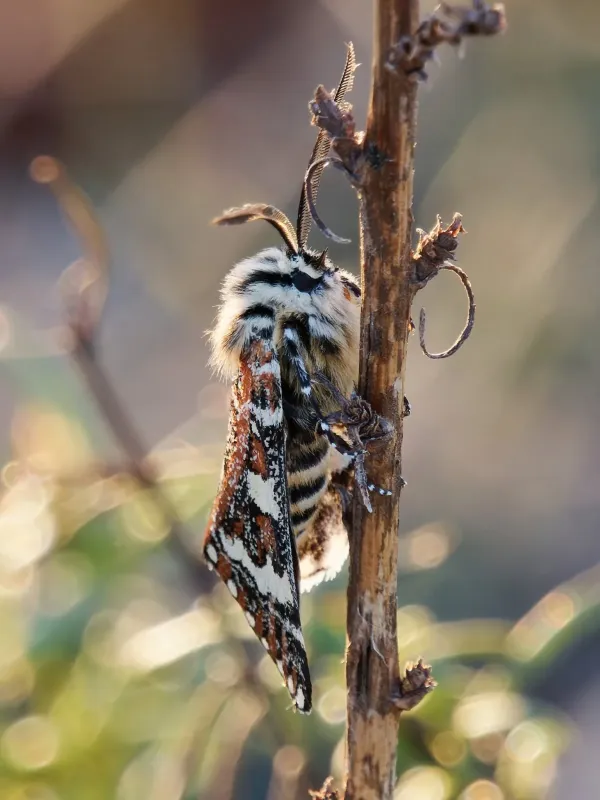
Description
How to identify
The genus Apina belongs to the Noctuidae family, which is part of the Lepidoptera order. Adult specimens are medium-sized moths with a structure typical of this family's mouthparts and wings.
The larvae of this pest have a body structure characteristic of owlet moths, equipped with developed false legs that allow for active movement across plants. The color of the larvae often ranges from greenish to brownish, providing effective camouflage.
The taxonomy of this genus requires careful analysis of morphological characteristics, such as genital structure, for precise identification. In the field, agronomists typically rely on damage patterns and larval appearance.
The biology of Apina is closely linked to regional climate conditions, which determine the number of generations per year. The insect undergoes a complete metamorphosis: egg, larva, pupa, and adult.
The life cycle depends on temperature conditions, with optimal environments favoring mass outbreaks. These insects typically overwinter in the pupal stage, often in the soil or within plant debris.
What it damages
This pest feeds on various agricultural crops. The primary damage is caused by larvae possessing strong chewing mouthparts capable of consuming significant amounts of leaf tissue.
The diet includes cereals and certain dicotyledonous plants, making it a potential threat to a wide range of field crops. Larvae can rapidly strip the foliage of host plants.
Under high population density, the pest may damage generative organs, including buds and inflorescences, which leads to a direct reduction in yields. Young seedlings are particularly vulnerable.
Damage usually occurs in patches but can spread rapidly across a field if conditions are favorable. Affected plants show stunted growth and increased susceptibility to secondary infections.
The economic threshold of damage is established based on the density of larvae per unit area. Scouting should be conducted during morning or evening hours when larvae are most active.
Signs of infestation
The first sign of infestation is the appearance of irregular holes in the leaves. Damage often starts from the leaf margins, gradually progressing toward the central vein.
The presence of frass (excrement) on the leaf surface and in plant axils is a clear indicator of larval activity. This helps identify the infestation hot spots at early stages.
Wilting of individual shoots or their deformation may indicate internal activity within stems or flower buds. Careful inspection of foliage often reveals the larvae themselves.
In severe cases, complete skeletonization of leaves occurs, leaving only the tough veins behind. Fields may appear sickly with visible bare patches where the population is concentrated.
Monitoring using pheromone traps helps identify the beginning of moth flight, enabling farmers to forecast the emergence of larvae and take timely protective measures.
Control measures
Agrotechnical control methods include deep autumn plowing, which disrupts pupal overwintering sites. This practice significantly reduces the initial spring population.
Timely removal of weeds deprives the pest of alternative food sources and egg-laying sites. Practicing appropriate crop rotation is also a highly effective preventive measure.
Biological control agents include the use of preparations based on entomopathogenic fungi and bacteria. These are most effective against young larvae during their active feeding phase.
Chemical applications with systemic or contact-stomach insecticides are conducted based on monitoring data. The choice of pesticide depends on the specific crop and pest stage.
- Monitoring of population density.
- Strict adherence to pesticide application regulations.
- Use of selective agents to preserve beneficial insects.
- Implementation of an integrated pest management (IPM) system.
Taxonomy
- Latin name
- Apina
- Order
- Lepidoptera (butterflies)
- Family
- Noctuidae
- EPPO code
- APINSP
Discussion
No discussions yet — be the first.