
Brown citrus aphid
Aphis citricidus
Description
How to identify
The brown citrus aphid (Toxoptera citricida) belongs to the order Hemiptera and the family Aphididae. Adults are easily recognized by their shiny dark-brown to black color.
These insects measure approximately 1.5 to 2 mm in length. Winged individuals possess translucent wings with distinct, dark vein patterns, while wingless forms have characteristic dark antennae.
The biological cycle is primarily parthenogenetic, meaning females reproduce without mating. This allows for rapid population growth under favorable environmental conditions.
Under optimal temperatures between 20°C and 25°C, the aphid can complete a generation in a very short timeframe, leading to massive outbreaks within a few weeks.
This species is the most efficient vector of the Citrus Tristeza Virus (CTV), a devastating pathogen that can cause the rapid decline and death of citrus trees.
What it damages
The primary hosts are citrus species, including lemons, oranges, mandarins, and grapefruits. They specifically target young, succulent growth and tender shoots.
By piercing and sucking plant sap, the aphids drain nutrients, which stunts the growth of the shoots and weakens the overall vigor of the host tree.
The excretion of honeydew serves as a substrate for sooty mold fungi. This black fungal layer covers the leaves, significantly interfering with photosynthesis.
Beyond physical damage, the aphid's ability to transmit viral pathogens poses an existential threat to commercial citrus production worldwide.
Severe infestations lead to curled and yellowed leaves, premature fruit drop, and, in susceptible varieties, the total collapse of the canopy.
Signs of infestation
Early identification is possible by inspecting the underside of young leaves and the tips of expanding shoots, where large colonies tend to congregate.
The presence of a sticky substance (honeydew) on foliage is a major indicator. This substance frequently attracts ants, which may protect the aphids from predators.
A black, velvet-like coating on leaves and stems confirms the presence of sooty mold, indicating that a significant aphid population has been active for some time.
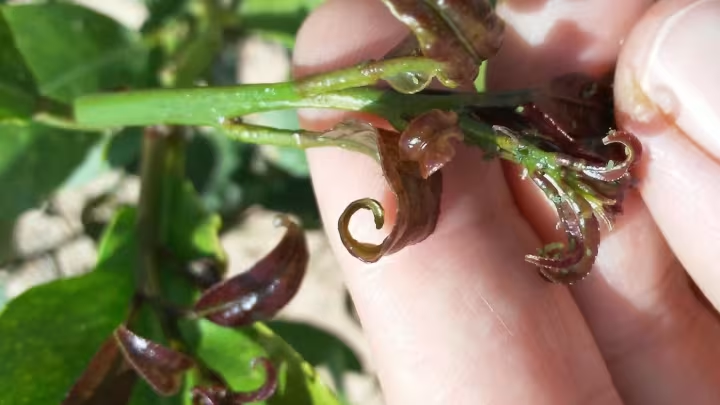
Stunted and curled new leaves are classic symptoms, often appearing withered or chlorotic due to the localized depletion of sap.
Drop of blossoms and young fruitlets, combined with an overall lack of tree vigor, are common signs of a heavy infestation requiring immediate intervention.
Control measures
Effective management relies on integrated pest management (IPM) practices, emphasizing regular monitoring and biological control methods.
Natural enemies such as ladybeetles (Coccinellidae), lacewings, and parasitic wasps (Lysiphlebus testaceipes) are vital for maintaining aphid populations below economic thresholds.
In cases of high infestation, systemic insecticides are necessary. Rotation of chemical classes is essential to manage potential resistance development.
- Application of horticultural oils to suppress aphid populations.
- Usage of systemic insecticides belonging to the neonicotinoid class.
- Pruning and destroying highly infested shoots to reduce inoculum levels.
Cultural control involves avoiding excessive nitrogen fertilization, as it stimulates the growth of tender shoots that are most attractive to the aphids.
Discussion
No discussions yet — be the first.