
Flounced Rustic
Apamea nictitans
Description
How to identify
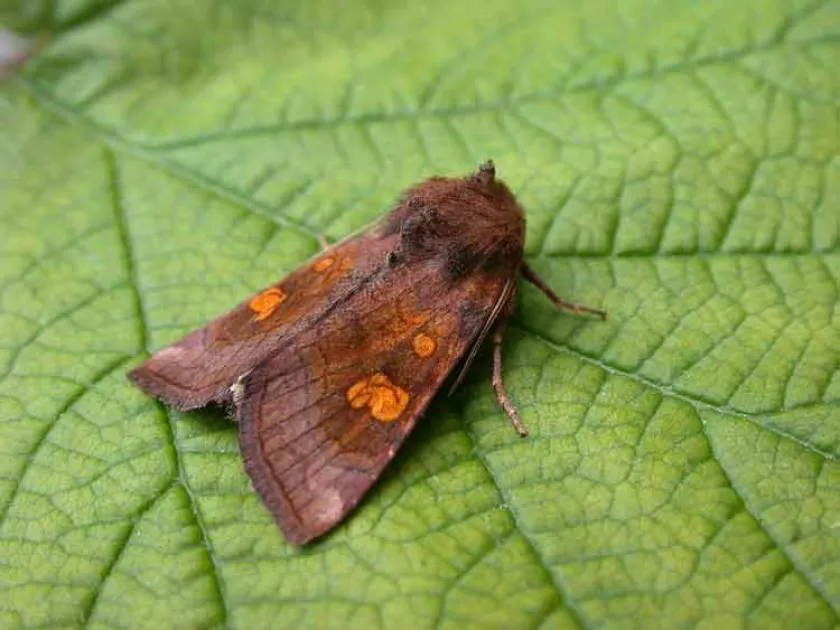
The Flounced Rustic (Apamea nictitans) is a moth belonging to the family Noctuidae. The adult moth features a wingspan of 30–40 mm, with forewings showing various shades of orange-brown and reddish-brown, typically marked with a distinct central pale stigma.
The larvae, or caterpillars, are typically greyish or greenish-brown in color, often blending perfectly with the stalks and roots of their host plants. Their skin is smooth, and they possess a protective instinct to curl into a tight spiral when disturbed.
The species is primarily associated with damp habitats, including meadows, field margins, and marshes. This environmental preference makes them frequent inhabitants of agricultural areas bordering natural grasslands.
Life cycle stages include the egg, several larval instars, the pupa, and the imago. Overwintering typically occurs in the larval stage, buried in the soil or within the base of perennial grasses, which provides them with winter insulation.
Pupation takes place in the soil or amongst plant debris during late spring or early summer, within a loose cocoon. The emergence of adults is often spread out, peaking between July and August.
What it damages
As polyphagous pests, the larvae cause damage by feeding on a variety of grasses. In an agricultural context, they represent a threat to cereal crops, where they penetrate the base of the stems and feed on the internal tissues.
Severe infestations lead to the wilting and death of individual stalks, commonly referred to as "dead hearts." This damage stunts the overall development of the plant and reduces the final grain yield significantly if the population density is high.
Pastures and hay meadows are also susceptible to damage, with larvae weakening the root systems and stems of grass, thereby reducing biomass productivity. This often leads to sparse patches appearing in the fields.
Larval activity is most intense during the tillering stage of cereals. Because the larvae feed under the cover of the base of the plant, they often remain unnoticed until the damage becomes clearly visible as yellowing patches.
The species thrives in moist soil conditions, meaning that low-lying areas of the field or fields adjacent to wetlands are at higher risk of experiencing concentrated feeding activity from the larvae.
Signs of infestation
Early identification of the Flounced Rustic involves scouting for yellowing or withered central leaves in cereal crops. If a leaf pulls out easily from the base, it often indicates the presence of a larva inside the stem.
Small, granular dark droppings found near the base of the plant are reliable signs of larval feeding activity. Regular field inspections during the early season are crucial to identifying these subtle indicators.
Adult moths are nocturnal and are highly attracted to light sources, making light traps an effective tool for monitoring population levels and timing management decisions during the summer months.
During soil inspections around damaged plants, larvae may be found hiding in the upper soil layers or at the soil-plant interface. Their tendency to curl up is a key diagnostic feature for field scouts.
The development of clear patches or "bare spots" in the crop stand that expand over time suggests a growing population of larvae that are moving from initial host plants to adjacent healthy ones.
Control measures
Cultural control is the first line of defense. Deep plowing and soil cultivation effectively disrupt the habitat of the overwintering larvae, exposing them to predators and unfavorable environmental conditions.
Weed management, particularly the removal of couch grass and other perennial grasses at field borders, is essential to minimize the available reservoir for the pest, preventing it from migrating into the primary crop.
Chemical control should be implemented based on economic thresholds and monitoring data. Systemic or contact insecticides are most effective when applied during the period of active larval feeding in the spring.
- Application of pyrethroid-based insecticides during peak activity.
- Rotation of crops to disrupt the life cycle of the moth.
- Regular mowing of field margins to remove larval hiding spots.
- Use of biological agents, such as entomopathogenic fungi.
Biological control methods utilizing bacterial preparations (Bacillus thuringiensis) are a sustainable option. These agents specifically target the larvae, providing effective reduction of pest populations while maintaining safety for beneficial insects.
Taxonomy
- Latin name
- Apamea nictitans
- Order
- Lepidoptera (butterflies)
- Family
- Noctuidae
- EPPO code
- APAMNI
Discussion
No discussions yet — be the first.