
Anurida
Anurida
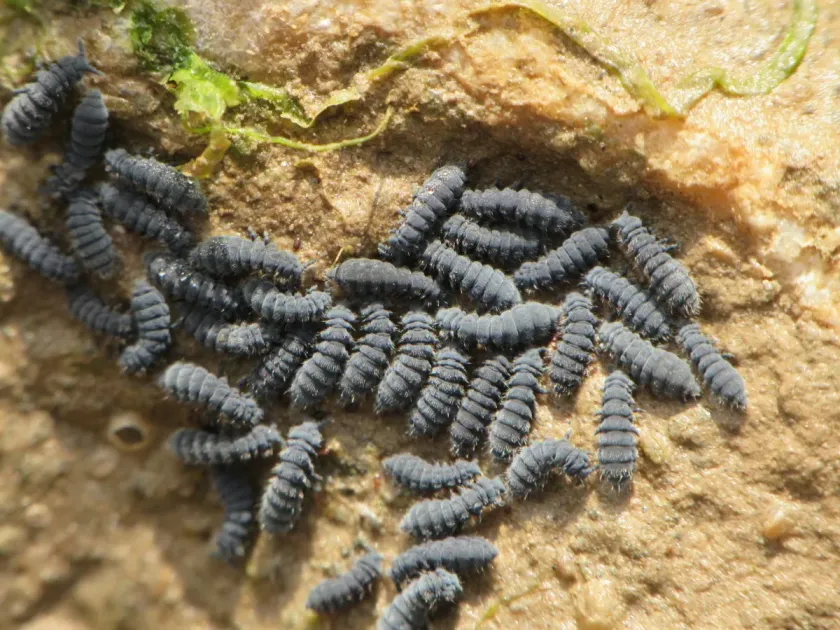
Description
How to identify
Anurida is a genus of springtails (Collembola) belonging to the Neanuridae family. These are minute arthropods, typically measuring between 1 and 3 mm in length.
Physically, they possess an elongated, somewhat flattened body that is commonly white, grey, or bluish. A key diagnostic feature is the absence of a furcula (jumping organ), which results in a slow, creeping movement pattern through the soil.
They thrive in high-humidity environments and are predominantly found in the top layers of soil or potting media that are rich in organic matter and moisture.
The life cycle involves direct development, where juveniles resemble adults but lack reproductive organs. They reproduce in the soil, with females laying eggs in small, localized clusters.
Population density is heavily influenced by soil moisture levels and the availability of decaying organic material, which serves as their primary food source in undisturbed ecosystems.
What it damages
Anurida primarily cause damage in greenhouses, nurseries, and containers where seedlings are grown. They target germinating seeds, delicate root hairs, and the base of young plant stems.
In cases of high infestation, these springtails can destroy entire batches of seedlings by consuming the root tissues, leading to growth retardation, yellowing of foliage, and eventually total plant death.
Beyond mechanical damage, Anurida activities create entry points for soil-borne pathogens. The micro-wounds caused by their feeding facilitate the infection of roots by various fungi, leading to root rot diseases.
Young, fragile plants are the most susceptible to attack because they lack a robust root system capable of recovering from such significant tissue loss.
Consequently, an untreated infestation leads to decreased crop vigor and significant economic losses in seedling production or indoor gardening.
When it appears
Anurida can be active throughout the year, especially in protected environments like greenhouses or homes where moisture and temperature levels remain stable.
Population explosions often occur following periods of excessive irrigation, which provides the necessary humidity for the rapid reproduction of these organisms.
While their activity is often continuous in indoor setups, in outdoor conditions, they exhibit increased activity during damp, cool spring and autumn months.
Seasonality is less pronounced in managed systems, as the availability of artificial irrigation and organic-rich soil creates a perpetual habitat for the colony.
Regular monitoring is essential, particularly during the initial weeks of seed germination, as this is the most critical window for protection against springtail damage.
Signs of infestation
Early warning signs include poor germination rates or sudden seedling collapse without obvious environmental causes like drought or heat stress.
Upon examination, the root systems of affected plants may appear stunted, with visible bite marks or destroyed root tips, often accompanied by brown necrotic lesions.
If you observe the soil surface closely during watering, you may see tiny, pale specks moving slowly; this is a clear indicator of a significant springtail presence.
Plants suffering from an infestation often show symptoms of nutrient deficiency, such as chlorosis (yellowing leaves) and loss of turgor pressure despite adequate soil moisture.
Potato slices placed on the soil surface can act as an effective trap; checking these after 24 hours often reveals the presence of Anurida populations hiding underneath.
Control measures
The primary control strategy involves managing irrigation practices. Avoiding overwatering and allowing the top layer of soil to dry out between watering sessions creates an unfavorable environment for Anurida.
Using high-quality, sterile growing media is crucial, as springtails are often introduced to greenhouses through contaminated compost or raw, non-decomposed peat.
Physical barriers, such as a thin layer of fine sand on the soil surface, can also help inhibit their movement and reduce their impact on seedling stems.
If populations exceed acceptable thresholds, systemic insecticides applied as a soil drench may be used in accordance with local regulations for specific crops.
- Maintain proper soil moisture levels.
- Use sterilized, high-quality potting soil.
- Implement trap monitoring to assess population size.
- Apply systemic soil treatments if necessary.
Taxonomy
- Latin name
- Anurida
- Family
- Neanuridae
- EPPO code
- ANRDSP
Discussion
No discussions yet — be the first.