
Antestia faceta
Antestia faceta
Description
How to identify
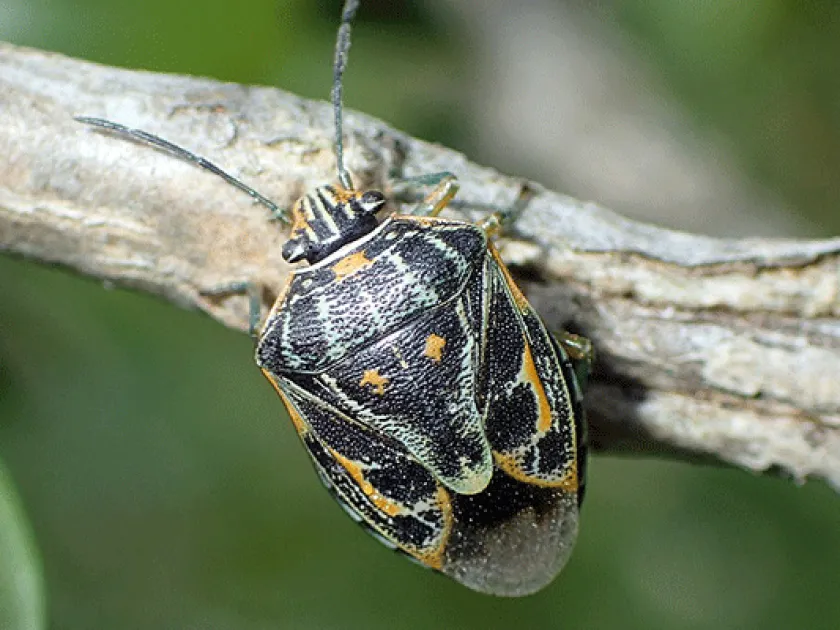
Antestia faceta is a species of shield bug (Pentatomidae) known for its distinctive morphology, featuring a patterned dorsal side that acts as camouflage among leaves and stems.
Adult insects are typically medium-sized with a shield-shaped body and antennae that are well-developed for sensing their environment and finding suitable host plants.
The life cycle proceeds through incomplete metamorphosis, consisting of eggs, five nymphal stages, and the adult phase, with nymphs often resembling adults but lacking fully developed wing pads.
These bugs thrive in humid and temperate climates, which provide optimal conditions for their metabolic processes and reproductive cycles throughout the growing season.
Identification is easiest during the nymphal stages, as they tend to cluster on the undersides of leaves, making them vulnerable to manual removal or targeted treatment.
What it damages
The pest feeds by piercing the plant tissue with its rostrum and sucking the phloem sap, which deprives the plant of essential nutrients and disrupts growth.
Damage is particularly severe on young buds, fruits, and soft shoots, where the physical injury often results in distorted growth, scarring, or total fruit drop.
In addition to physical damage, the punctures made by the bugs facilitate the entry of pathogens, leading to secondary infections and tissue necrosis in the host plant.
Host plants often show stunted development and poor yields, as the bug's saliva contains enzymes that can cause significant physiological stress to the plant.
Repeated feeding by large populations can lead to the wilting of terminal shoots and a overall decline in the health and vigor of the agricultural crop.
Signs of infestation
Early symptoms include yellow or necrotic spots on the foliage where the bugs have been feeding, often followed by a gradual yellowing of the affected leaves.
The presence of distorted or pitted fruits is a classic sign of Antestia faceta activity, significantly reducing the commercial value of the affected crops.
One might observe the shedding of flower buds or small fruits, which is a common plant reaction to the damage caused by the bugs' feeding habits.
An unpleasant, pungent odor characteristic of many shield bugs may be detected in the immediate vicinity of the infested plants, especially when the insects are disturbed.
- Discolored leaf spots (necrotic or yellow).
- Irregular shape or pitting in developing fruits.
- Premature bud drop.
- Nymph clusters on the undersides of foliage.
Control measures
Cultural control is a primary line of defense, involving the removal of alternative weed hosts and maintaining healthy crop vigor to mitigate the impact of bug infestations.
Biological control agents, such as parasitoid wasps that target the eggs of shield bugs, can be introduced to keep the population density below the economic threshold.
Insecticide applications should be reserved for periods of high activity and targeted specifically at the nymphal stages to ensure maximum efficacy and minimal environmental impact.
Monitoring programs using pheromone or sticky traps provide valuable data for timing control measures and assessing the effectiveness of the chosen management strategy.
Regular monitoring of field margins and weed patches is essential to prevent the migration of Antestia faceta into the main production areas of the field or garden.
Discussion
No discussions yet — be the first.