
Anemonia sulcata
Anemonia sulcata
Description
How to identify
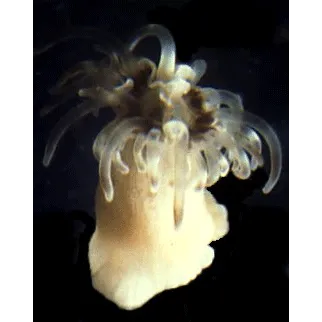
Anemonia sulcata, commonly known as the snake-lock anemone, is a solitary polyp characterized by long, slender, and vibrant tentacles.
The organism features a cylindrical body with a strong pedal disc, which allows it to anchor firmly to various substrates like rocks and shells.
Its tentacles are distinct in that they cannot be fully retracted into the main body, making them constantly exposed to the surrounding water.
The coloration of the tentacles often varies from green to brown due to the presence of symbiotic zooxanthellae living within its tissues.
These anemones can grow to a significant size, often occupying substantial surface area within their habitat, making them easily identifiable.
What it damages
In managed aquatic systems, Anemonia sulcata is considered a nuisance species that negatively impacts decorative corals and other invertebrates.
The anemone uses its potent stinging cells to sting and physically damage surrounding marine life, which often leads to tissue necrosis.
It competes aggressively for space and light, effectively outcompeting slower-growing organisms and disrupting the balance of the ecosystem.
By releasing chemical compounds into the water, it suppresses the growth and health of sensitive species housed in the same environment.
Massive colonization can lead to the loss of biodiversity as the anemone dominates the available rocky surfaces and resources.
When it appears
There is no defined season for this species in artificial environments, as it thrives under stable, favorable conditions year-round.
The organism reproduces both sexually and asexually, with budding being a primary method for rapid colonization in nutrient-rich water.
High levels of organic waste and consistent water temperatures support continuous growth and the development of new polyps.
Population density often peaks when feeding regimes are excessive, providing the anemone with an abundant source of sustenance.
Under optimal light and nutrient availability, the anemone exhibits vigorous metabolic rates, allowing it to colonize new surfaces rapidly.
Signs of infestation
The presence of solitary polyps attached to live rock is the primary indicator of an infestation starting in the tank.
Signs of tissue irritation or retraction in nearby coral colonies are strong warnings that an anemone is actively damaging surrounding life.
Small polyps appearing in various sections of the system indicate that the species is reproducing and spreading through the environment.
A noticeable change in the swimming patterns of fish, as they avoid certain areas, suggests the presence of dangerous stinging tentacles.
Visible mucus trails on substrates or localized sediment buildup often correlate with the areas occupied by these active polyps.
Control measures
Manual removal remains the most direct method, although it requires care to prevent any tissue remnants from re-attaching elsewhere.
Biological control methods involve introducing specialized predators, such as certain butterflyfish or nudibranchs, that naturally feed on anemones.
Targeted chemical injections are used by aquarists to eliminate specific individuals without disrupting the water chemistry of the entire system.
Maintaining high water quality and restricting excess food input are essential long-term strategies for limiting the population spread.
- Careful manual extraction
- Introduction of natural predators
- Precision chemical treatment
- Optimized water filtration
Discussion
No discussions yet — be the first.