
Anemonia
Anemonia
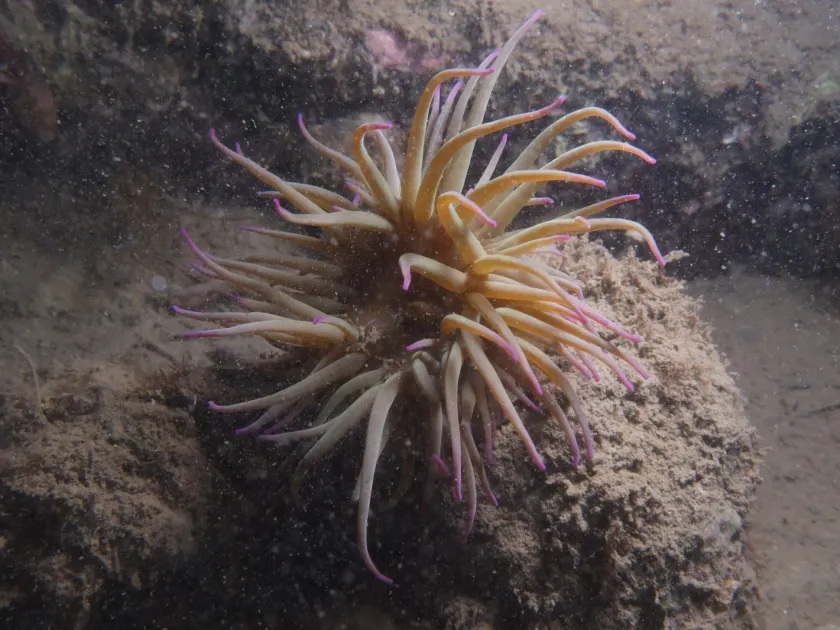
Description
How to identify
Anemonia is a genus of sea anemones (class Anthozoa, phylum Cnidaria) that can become an unexpected issue in specialized agricultural settings such as high-tech hydroponics.
These organisms are characterized by a soft, cylindrical body and a crown of tentacles equipped with nematocysts, which they use to capture nutrients from the water.
While not a plant pest in the traditional sense, they act as bio-foulers in closed-loop irrigation systems, rapidly colonizing submerged equipment surfaces.
Taxonomically, they are distinct from insects and mites, meaning traditional pest management strategies based on chemical insecticides are largely ineffective against them.
Proper identification involves recognizing their contractile nature and their ability to attach firmly to pipes, pumps, and internal tank surfaces.
What it damages
The primary damage caused by Anemonia is mechanical, as they clog filters, valves, and irrigation drippers by forming dense colonies within the plumbing.
This physical obstruction restricts the flow of nutrient-rich solutions to the root zones of the crops, leading to significant nutritional stress and stunted growth.
Furthermore, their presence in the system alters the water chemistry, potentially causing fluctuations in pH levels that are detrimental to plant development.
They compete for space and resources within the system, often becoming a host for secondary bacterial contamination that can affect plant health.
The cumulative effect is a decrease in overall system efficiency and potential crop yield loss due to inconsistent nutrient delivery.
When it appears
In controlled environment agriculture, Anemonia can remain active throughout the year, provided the water temperature is maintained at their preferred levels.
Activity increases significantly when water temperatures range between 20°C and 25°C, common in summer greenhouse operations.
They utilize a mix of sexual and asexual reproduction, allowing them to rapidly spread across a facility via the recirculating water system.
The larvae are pelagic, meaning they drift through the plumbing, settling in new areas whenever conditions are favorable for colony growth.
High nutrient availability in hydroponic solutions acts as a catalyst for rapid population expansion during peak operation seasons.
Signs of infestation
The most noticeable sign is a gradual reduction in flow rates through the irrigation emitters and drippers without any change in pump settings.
Visual inspection often reveals rubbery, fleshy growths on the interior walls of pipes and the components of the filtration system.
Increased turbidity or the presence of slime in the nutrient reservoir is a strong indicator of an established colony within the system.
Plants may show signs of nutrient deficiency or wilt, even when the system appears to be running, due to localized flow blockages.
The presence of tentacles caught in mesh filters or pump inlets provides clear evidence of colonization.
Control measures
The most effective strategy for managing Anemonia involves rigorous mechanical cleaning and routine maintenance of all irrigation components.
Installing high-efficiency UV sterilization units in the water circuit is highly recommended to neutralize larval stages before they colonize pipes.
Regular flushing of the irrigation lines with non-toxic, mildly acidic solutions can help prevent the accumulation of polyp colonies.
Strict sanitation protocols, including the thorough cleaning of reservoirs and equipment between growth cycles, are essential to break the reproductive cycle.
- Regular inspection of pump intake filters.
- Installation of UV water treatment systems.
- Manual scrubbing of pipe interiors during maintenance.
Discussion
No discussions yet — be the first.