
Anarta
Anarta
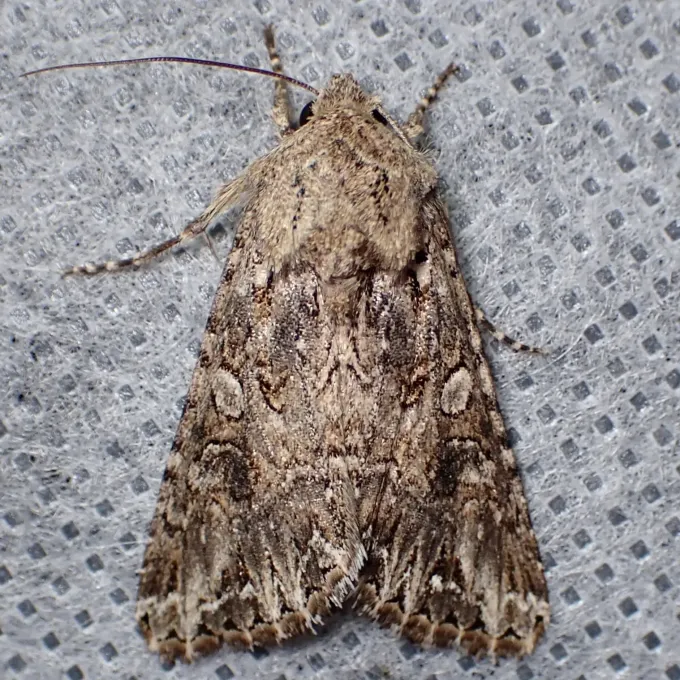
Description
How to identify
The genus Anarta belongs to the family Noctuidae, commonly known as owlet moths. These insects are characterized by their nocturnal activity and robust body shape, which is typical for many species in this large family.
Adult moths typically have a wingspan ranging from 25 to 40 millimeters. Their coloration is generally cryptic, consisting of various shades of grey, brown, and black, allowing them to blend perfectly with plant debris or bark during the day.
The larvae, or caterpillars, are the primary life stage of concern for agriculture. They possess chewing mouthparts and an coloration that often mimics their host plants, helping them evade visual detection by predators.
Taxonomically, the genus is situated within the subfamily Hadeninae. Identifying specific species within the genus Anarta can be challenging and frequently requires the examination of genital structures by specialists.
Adult moths are largely inactive during daylight hours, preferring to hide in dense vegetation, leaf litter, or crevices in the soil, which makes their presence easy to overlook during standard field inspections.
What it damages
The damage caused by Anarta is attributed to the feeding activity of their larvae. These pests are polyphagous, meaning they can thrive on a diverse array of plant hosts, ranging from ornamental flowers to commercial vegetables.
In agricultural settings, these larvae often consume foliage, buds, and sometimes the generative parts of plants. Significant defoliation can occur, particularly when larval populations reach outbreak levels.
Feeding damage typically manifests as irregular holes in leaves, skeletonization, or the complete consumption of tender growth. This leads to a reduction in photosynthetic capacity, stunting the plant's growth and vigor.
Damage to buds and flowers directly correlates with reduced yield, as the plant loses the structures necessary for fruit or seed development. In severe cases, larvae may burrow into fruits, rendering the crop unmarketable.
Younger larvae tend to feed gregariously, causing localized patches of damage, whereas older larvae disperse throughout the host plant, often resulting in more widespread and extensive destruction of plant tissues.
When it appears
The life cycle of Anarta is highly dependent on environmental conditions and regional climate. Most species overwinter as pupae buried within the soil, providing protection from harsh winter temperatures.
Adult emergence usually occurs in late spring or early summer, synchronized with the onset of favorable temperatures and the availability of primary host plants. The timing of the first flight is a critical indicator for pest monitoring.
Following mating, females deposit eggs on the undersides of leaves or in the soil near the base of host plants. The duration of the egg and larval stages is highly temperature-dependent, fluctuating with seasonal shifts.
As the summer progresses, larvae undergo several developmental stages (instars) before pupating. The number of generations per year can vary significantly based on the length of the growing season in a specific geographical area.
High soil moisture levels and warm, humid conditions during the summer months generally favor the rapid development of the population, leading to increased pressure on susceptible crop varieties.
Signs of infestation
The presence of frass (larval excrement) on leaves or on the soil surface is often the first visible sign of an infestation. These dark, granular deposits indicate active feeding by larvae in the vicinity.
Visual inspection of leaf margins often reveals distinct bite marks. In the early stages of infestation, larvae may be found grouped together on the underside of foliage, making them easier to spot if carefully inspected.
Wilting of foliage or abnormal plant development can indicate that larvae are feeding on the stem or roots of the plant. Such damage is often harder to detect than foliar consumption and requires a close look at the plant base.
The use of light traps or pheromone lures is a common method for detecting adult moth activity in the field. This helps in early warning systems before widespread larval damage occurs on the crop.
During evening hours, using a flashlight to inspect plants can reveal actively feeding larvae. This method is often more effective than daytime scouting, as the caterpillars are nocturnal and tend to hide when the sun is out.
Control measures
Effective management begins with sound agronomical practices, such as autumn plowing and soil cultivation. These steps help to disturb and destroy overwintering pupae, reducing the potential population size for the following season.
Weed control is essential, as many weed species serve as alternative food sources for young larvae. By keeping fields clean, farmers can starve early-stage larvae before they transition to the target crops.
Biological control methods, such as the application of Bacillus thuringiensis or other entomopathogenic agents, provide an eco-friendly way to suppress larval populations without leaving toxic chemical residues.
Chemical intervention should be based on economic thresholds determined by regular scouting. Insecticides should be applied during the periods when larvae are most vulnerable, often in the evening when they are actively feeding.
Implementing an integrated pest management (IPM) program that includes rotational use of insecticides is vital. This practice prevents the development of pesticide resistance in the moth population and promotes long-term field stability.
Taxonomy
- Latin name
- Anarta
- Order
- Lepidoptera (butterflies)
- Family
- Noctuidae
- EPPO code
- ANRTSP
Discussion
No discussions yet — be the first.