
Anaplectoides
Anaplectoides
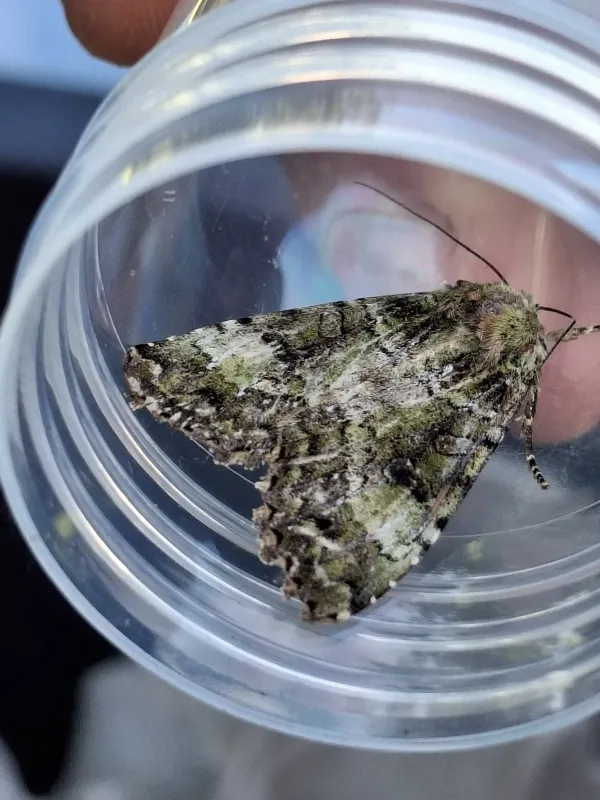
Description
How to identify
Anaplectoides is a genus of moths belonging to the Noctuidae family, the order Lepidoptera. These moths typically exhibit nocturnal habits and possess camouflaged wing patterns in shades of brown and gray, which provide excellent concealment against tree bark and foliage.
The larvae, known as caterpillars, are characterized by a robust body and powerful chewing mouthparts. Depending on the species and environmental conditions, their coloration varies, allowing them to remain hidden among the leaves or within the soil surface during the day.
The life cycle involves four distinct stages: egg, larva, pupa, and adult. Most species in this genus have one or two generations per year, with the larvae typically acting as the overwintering stage, often buried in the soil or under leaf litter.
Pupation occurs in the soil, where the larva creates a protective cocoon from soil particles and silk. This stage is crucial for the insect's survival during harsh winters, ensuring a resurgence in the following spring or early summer.
Adult moths are active during twilight and night hours. They feed on floral nectar and are primarily focused on reproduction. Females deposit eggs on host plants, starting the cycle of infestation anew when the eggs hatch.
What it damages
Anaplectoides caterpillars are generalist feeders, or polyphagous, meaning they consume a wide variety of plants including forest trees, shrubs, and ornamental garden plants. Their presence in agricultural fields can lead to significant economic losses.
The primary damage is caused by the larvae feeding on foliage. They chew irregular holes in leaves, often consuming entire leaf blades and leaving only the midribs, which significantly reduces the plant's photosynthetic capacity and weakens it.
Beyond leaves, the caterpillars can destroy buds and delicate new shoots. This is particularly damaging to young nursery stock or fruit-bearing trees, as it can stunt growth and ruin the future harvest or the structural integrity of the plant.
Feeding wounds created by these pests act as entry points for secondary pathogens, such as fungi and bacteria. This can lead to localized rot or systemic infections that further degrade the health of the host plant.
Mass outbreaks, though sporadic, can cause severe defoliation of large areas. This level of infestation is especially threatening to sensitive ornamental species and young plantations that depend on foliage for energy storage during the growth season.
Signs of infestation
The most common indicator of an Anaplectoides infestation is the presence of irregular "notches" or holes on the leaf edges. As the larvae grow, the size of these holes typically increases, progressing toward the center of the leaf.
Fecal matter (frass) found on the foliage or at the base of the plant is a clear sign that caterpillars are actively feeding nearby. Examining the underside of leaves or the soil surface during the night often reveals the larvae at work.
Wilted stems or drooping shoot tips may indicate that the caterpillars are feeding on the base of the growth point. If a plant appears to be failing despite proper watering, a closer inspection for nocturnal feeding pests is recommended.
In the spring, damaged or missing buds are a classic sign of early-season caterpillar activity. Careful observation of the plant structure can help detect the presence of larvae even before significant leaf damage occurs.
Presence of pupal cocoons in the top layer of soil or under mulch confirms the presence of the species. Regularly inspecting the base of high-value plants can help identify the pest population before it reaches critical levels.
Control measures
Cultural control methods, such as deep tilling or cultivation of the soil around plants, are effective in disturbing and destroying the pupal stage, thereby reducing the population for the next season.
Biological control, specifically the application of Bacillus thuringiensis (Bt), is a highly effective way to target caterpillars. This method is environmentally friendly as it specifically affects the target pests while sparing beneficial insects and pollinators.
Chemical intervention may be necessary during severe outbreaks. Systemic or contact insecticides labeled for use on the target crop can be applied, preferably targeting young larvae which are more susceptible to chemical treatments.
Light traps are useful for monitoring moth activity and can help in determining the timing for preventive measures. This tool is essential for integrated pest management (IPM) strategies to ensure that interventions are applied exactly when needed.
Maintaining a weed-free garden reduces the availability of secondary food sources and hiding spots for the larvae. Regular scouting and manual removal of caterpillars are effective for small-scale gardens or when preventing the spread to healthy plants.
Taxonomy
- Latin name
- Anaplectoides
- Order
- Lepidoptera (butterflies)
- Family
- Noctuidae
- EPPO code
- ANPCSP
Discussion
No discussions yet — be the first.