
Amyna punctum
Amyna punctum
Description
How to identify
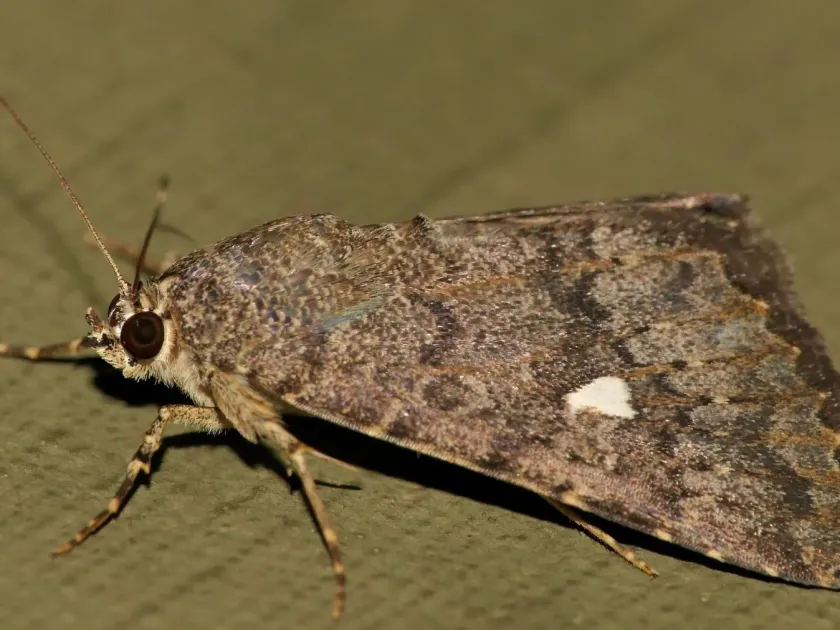
Amyna punctum is a moth species belonging to the Noctuidae family within the order Lepidoptera. It is recognized as a pest in various agricultural regions, particularly impacting leguminous crops through the feeding activity of its larvae.
The adult moth is relatively small and nocturnal, often identified by specific patterns on its wings. Proper identification of the adult stage is essential for tracking population dynamics and determining the timing for management interventions.
The life cycle of Amyna punctum comprises four stages: egg, larva (caterpillar), pupa, and adult. The larval stage is the primary cause of damage, during which the insect undergoes several molts while feeding on foliage.
Pupation typically occurs in the soil or within plant debris. This overwintering behavior makes the pest resilient, as pupae can survive winter conditions in protected microhabitats before emerging in the spring.
Monitoring efforts usually focus on the adult stage using light traps. By measuring the flight activity of moths, agronomists can estimate potential pest pressure for the upcoming crop growth stages.
What it damages
The primary hosts for Amyna punctum are members of the Fabaceae family, with soybeans being a notable target. The larvae consume leaf tissue, which can significantly affect the plant's photosynthetic capacity.
Early-stage larvae typically skeletonize leaves, while older caterpillars are capable of consuming large portions of the leaf blade. This feeding habit leads to irregular holes and eventually complete defoliation if left unchecked.
Defoliation reduces the plant's ability to produce energy, which is critical during the flowering and pod-filling stages of crops like soybeans. This reduction often results in lower yields and poor grain quality.
Besides physical destruction, the wounds caused by larval feeding serve as entry points for secondary pathogens. This increases the risk of plant diseases, further compromising the health and vigor of the crop.
The severity of the damage is highly dependent on the larval population density. Regular field scouting is necessary to determine if the infestation levels have reached an economic threshold warranting control.
Control measures
Effective management begins with regular monitoring using pheromone or light traps to detect the arrival and population spikes of the pest. Early detection is crucial for successful mitigation.
Cultural control practices, such as deep tillage after harvest, are highly effective in disrupting the pupal stage. By burying the pupae, farmers can significantly reduce the overwintering survival rate of the moth.
Sanitation of the fields and surrounding areas is vital. Removing host weeds prevents the pest from establishing a foothold and multiplying before migrating to the main crop fields.
Chemical control is an option when populations reach economic thresholds. Applying insecticides that target larval stages can be effective, though rotation of active ingredients is recommended to prevent resistance.
Biological control agents, such as parasitoid wasps (e.g., Trichogramma), can be introduced to manage the population. These natural enemies target the eggs and larvae, providing a sustainable way to keep pest numbers low.
Taxonomy
- Latin name
- Amyna punctum
- Order
- Lepidoptera (butterflies)
- Family
- Noctuidae
- EPPO code
- AMYNPU
Discussion
No discussions yet — be the first.