
Amyna natalis
Amyna natalis
Description
How to identify
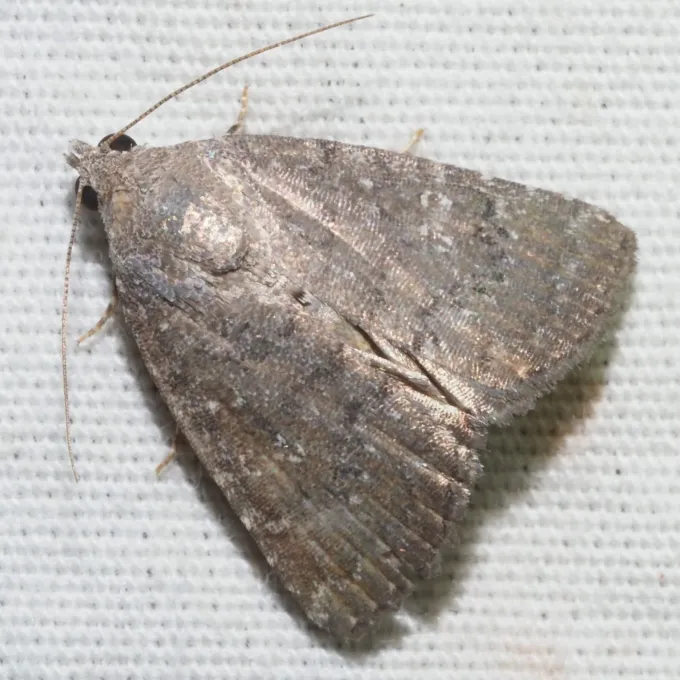
Amyna natalis is a species of moth belonging to the Noctuidae family, commonly known as owlet moths. These insects are characterized by a cryptic appearance, with wingspans typically ranging between 25 and 30 mm, providing excellent camouflage against their host plants.
The lifecycle includes complete metamorphosis: egg, larva, pupa, and adult. The larval stage is the most destructive phase, during which caterpillars undergo several molts, significantly increasing their size and feeding capacity as they progress through instars.
Pupation generally occurs within the soil substrate or among folded leaves, shielded by a silken cocoon. This behavioral trait protects the pupae from environmental extremes and natural predators, ensuring the survival of the population through changing seasons.
Adult moths are nocturnal and are strongly attracted to light sources, which is a key factor utilized in monitoring programs. Identification of the species often requires careful examination of wing patterns and genital structures by specialists.
The developmental rate of Amyna natalis is highly sensitive to temperature fluctuations. In temperate climates, generations may be synchronized with plant growth cycles, while in tropical or greenhouse conditions, they can reproduce continuously.
What it damages
The primary hosts of Amyna natalis are species within the Ficus genus. In both ornamental and commercial nursery settings, these caterpillars can cause extensive damage by consuming leaf tissue and young buds.
Feeding typically results in irregular, ragged holes in the leaves, which can lead to complete defoliation if left unchecked. The loss of photosynthetic surface area severely hampers the plant's metabolic functions and overall vigor.
Beyond direct tissue consumption, the feeding process creates entry points for secondary infections, including fungal and bacterial pathogens. This interaction often exacerbates the plant's decline, leading to secondary diseases that further threaten the plant's health.
In high-density infestations, the caterpillars may target terminal shoots, disrupting the plant's architecture and growth pattern. Such damage is particularly detrimental to young nursery stock, rendering the plants unmarketable and causing significant economic losses.
The aesthetic value of ornamental Ficus is severely compromised by the presence of these larvae and their frass. Continuous monitoring is essential to detect outbreaks early before the damage becomes irreversible or spreads to healthy stock.
Control measures
Effective management of Amyna natalis requires an integrated approach that combines cultural, biological, and chemical strategies. Sanitation, such as removing fallen leaves and debris, is crucial for destroying potential pupation sites.
Biological control options include the use of Bacillus thuringiensis (Bt) based formulations, which are highly effective against larvae while minimizing impact on beneficial insects. Entomopathogenic nematodes may also be applied to the soil to target pupating stages.
Chemical control should be implemented judiciously, focusing on contact and systemic insecticides during the peak larval activity periods. It is vital to rotate chemical classes to prevent the development of resistance in the population.
Trapping adults using light traps or synthetic pheromone dispensers serves as an early warning system. This data helps agronomists determine the precise timing for intervention, ensuring maximum efficiency of the selected control measures.
- Monitor adult populations with light traps.
- Manual removal of larvae in small-scale plantings.
- Application of bio-insecticides at the first sign of larval feeding.
- Use of broad-spectrum systemic insecticides during severe outbreaks.
Taxonomy
- Latin name
- Amyna natalis
- Order
- Lepidoptera (butterflies)
- Family
- Noctuidae
- EPPO code
- AMYNNA
Discussion
No discussions yet — be the first.