
Amyna
Amyna
Description
How to identify
The genus Amyna belongs to the family Erebidae, subfamily Acontiinae. These are small moths characterized by an adaptable morphology suited for concealment.
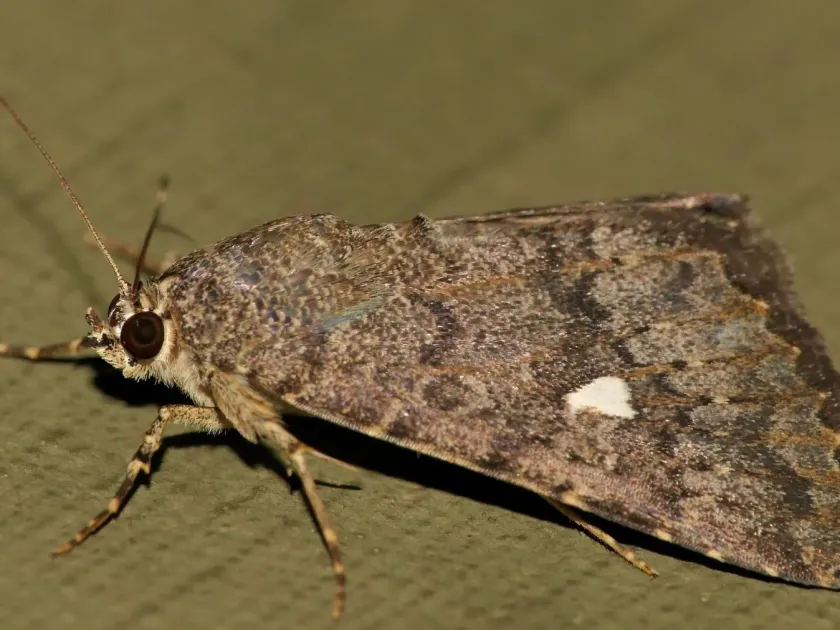
Adult moths typically exhibit cryptic coloration on their forewings, allowing them to blend perfectly with plant foliage or bark during their resting phase.
The larvae (caterpillars) possess a body structure typical for moths in this family, with coloration often varying depending on the host plant they consume.
Identification of specific species within the Amyna genus often requires expert analysis of genitalia, as external appearances can be highly deceptive.
The life cycle follows the standard pattern of complete metamorphosis: egg, larva, pupa, and adult, with each stage serving specific ecological purposes.
What it damages
The Amyna genus acts as a polyphagous pest, capable of attacking a wide array of agricultural, horticultural, and decorative plant species.
The larval stage is the most destructive, as caterpillars feed voraciously on plant foliage, stems, and occasionally reproductive structures.
Significant defoliation is the primary form of damage, which reduces the plant's ability to perform photosynthesis and directly impacts overall biomass production.
In cases of severe infestation, the loss of leaf surface can lead to stunted plant growth and a drastic reduction in harvest yield and quality.
Certain crops, particularly those in tropical and subtropical regions, are more susceptible to sustained attacks throughout their growing season.
When it appears
The activity of these pests is tightly correlated with local climatic conditions, including ambient temperature and moisture levels.
In warmer climates, Amyna species can undergo multiple generations per year, potentially leading to persistent pressure on agricultural crops.
Moths are primarily nocturnal, making them elusive during the day and requiring nocturnal light traps or pheromone traps for effective detection.
Larval outbreaks usually align with the most active growth phases of the host plants, when nutrient-rich tissues are most abundant.
Monitoring the flight periods of adult moths provides crucial data for predicting when the next generation of larvae will likely appear on the crops.
Signs of infestation
Early warning signs include irregular holes in the leaves, which expand as the larvae continue their feeding cycle.
The presence of frass (larval excrement) on leaves or the soil surface is a clear indicator of active feeding by the pest.
Skeletonization of the leaf tissue, where only the veins remain intact, is a hallmark of feeding behavior in younger larval stages.
In high-density populations, leaves may appear curled or webbed together as the larvae create shelters to protect themselves from predators.
Regular field scouting, particularly of the undersides of leaves, can reveal egg clusters, allowing for early intervention before damage escalates.
Control measures
Integrated Pest Management (IPM) is the most effective approach, relying on a combination of cultural, biological, and chemical methods.
Cultural practices, such as weed management and maintaining field hygiene, are essential to remove alternative food sources for the pest.
Biological control, using Bacillus thuringiensis based formulations, has proven successful in targeting larvae while preserving beneficial insects.
Chemical applications should be timed to coincide with the early larval instars and based on established economic injury thresholds.
Implementing a robust resistance management program by rotating different classes of insecticides is vital for long-term control effectiveness.
Taxonomy
- Latin name
- Amyna
- Order
- Lepidoptera (butterflies)
- Family
- Noctuidae
- EPPO code
- AMYNSP
Discussion
No discussions yet — be the first.