
Copper Underwing
Amphipyra pyramidoides
Description
How to identify
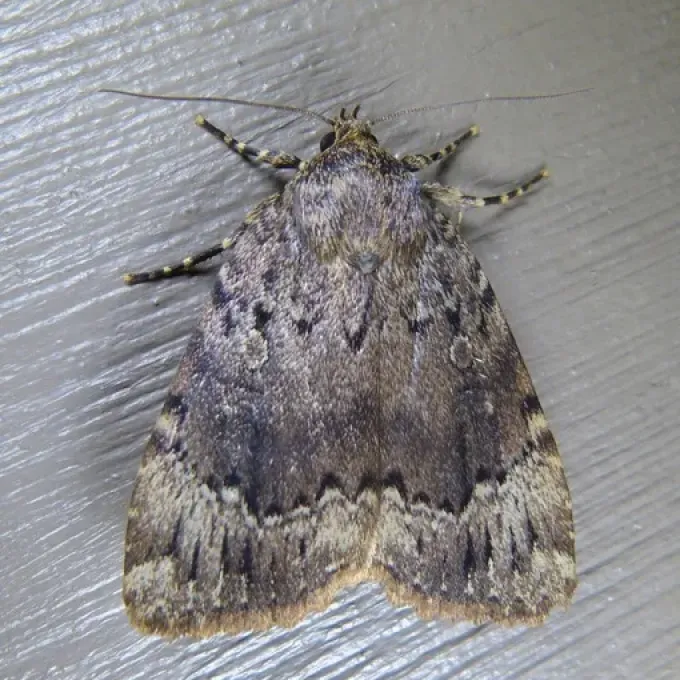
The Copper Underwing (Amphipyra pyramidoides) is a moth belonging to the Noctuidae family. The adult moth has a wingspan of 40–50 mm, with cryptic brown forewings and distinctive coppery-orange hindwings, which are hidden when the moth is at rest.
The caterpillar is easily identified by a prominent hump on the final abdominal segment, which gives it a pyramidal appearance. The larvae are typically bright green with fine pale longitudinal lines, providing excellent camouflage on foliage.
This species is univoltine, meaning it produces one generation per year. The overwintering stage is the egg, which is laid in clusters on tree bark or near leaf buds during the late summer and autumn months.
Larval development begins in early spring, coinciding with bud burst. After feeding for several weeks, the caterpillars drop to the ground to pupate in the soil or in leaf litter, where they undergo metamorphosis.
Adult moths are strictly nocturnal and are known for their secretive nature, hiding in crevices or tucked away in dense foliage during daylight hours, making them very difficult to spot unless specifically searching.
What it damages
This species is a generalist feeder (polyphagous), known to infest a variety of woody plants including apple, pear, plum, oak, maple, and numerous ornamental shrubs. It can occasionally become a nuisance in home orchards.
Early-instar caterpillars primarily target emerging leaf buds, which can lead to stunted growth and irregular development of the foliage. As they grow, they shift their feeding to the mature leaves of the host plant.
In cases of high infestation, the larvae can cause significant defoliation of branches. This reduction in leaf area limits the plant's photosynthetic capacity, which is particularly detrimental to young trees or those under stress.
The accumulation of larval frass (droppings) on the leaves can create a substrate for the growth of sooty mold, further degrading the aesthetic and physiological quality of the host plant's foliage.
Commercial fruit production can suffer if the larvae feed on the blossoms or developing fruitlets, causing direct yield losses. Monitoring for early signs of defoliation is essential to prevent extensive damage.
Signs of infestation
The most common sign of an infestation is irregular holes or missing margins on leaves. In severe cases, only the main veins of the leaves may remain, a symptom known as skeletonization.
During the spring, check for damaged buds that fail to open or appear chewed. Young caterpillars are often found hiding near these buds or on the undersides of leaves during the daytime.
The presence of dark, cylindrical frass on the leaves or on the ground beneath the canopy is a clear indicator of feeding activity. This usually suggests that the larvae are currently present in the tree.
Adult moths can be observed at night using light traps or by baiting them with fermenting sugar solutions. During the day, they may be flushed out from dark, sheltered hiding spots on the tree trunks.
Autumn inspections of tree bark can reveal small egg clusters. Removing these manually or identifying areas with high egg density helps in managing the population before the next spring season.
Control measures
Mechanical control involves the removal of dead bark and cleaning the tree base to eliminate pupation sites. Turning the soil under the canopy during autumn can expose pupae to predators and cold temperatures.
Pheromone and light traps are highly effective for monitoring adult populations. By tracking the flight activity of the moths, growers can determine the optimal timing for intervention against the next generation.
Chemical control should be applied judiciously, targeting the early larval stages when they are most vulnerable to contact insecticides. Always use products approved for your specific crop and region.
Biological controls are highly recommended, specifically the application of Bacillus thuringiensis (Bt), which targets caterpillars specifically without harming beneficial insects or pollinators.
Promoting local biodiversity by encouraging natural enemies, such as birds, parasitic wasps, and predatory beetles, is a long-term strategy to keep the Copper Underwing population in check.
Taxonomy
- Latin name
- Amphipyra pyramidoides
- Order
- Lepidoptera (butterflies)
- Family
- Noctuidae
- EPPO code
- AMPYPS
Discussion
No discussions yet — be the first.