
Alypia
Alypia
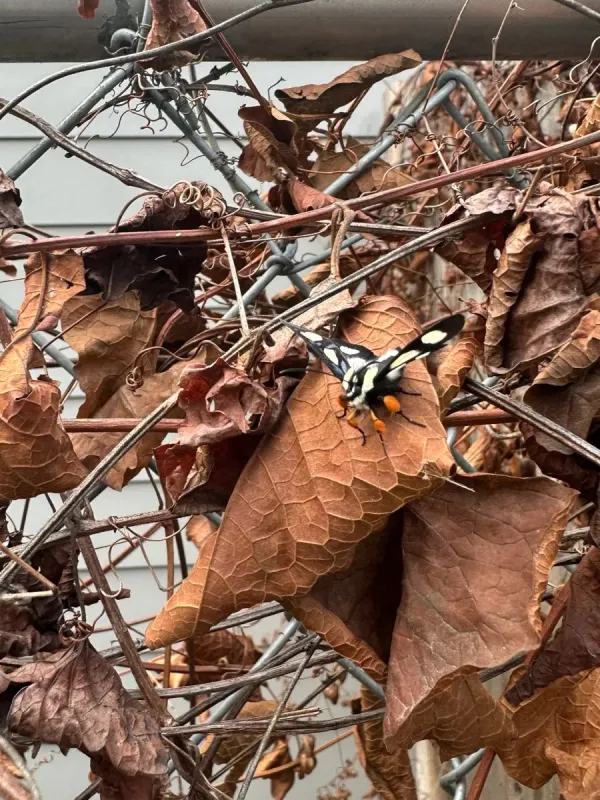
Description
How to identify
The Alypia, specifically the Eight-spotted Forester moth (Alypia octomaculata), is a member of the Noctuidae family. Adults are characterized by a 3-4 cm wingspan and striking black wings with two prominent cream-white spots on each wing, which makes them easily recognizable in the field.
The larvae, or caterpillars, are known for their vibrant, warning coloration. They feature distinct horizontal bands of black, white, and orange, interspersed with small setae. As they progress through their larval stages, their size increases significantly, as does their consumption rate.
The pupal stage is the primary overwintering method for this pest. Pupae remain in tough, silk-lined cocoons within the soil or protected under bark. This dormant phase is perfectly adapted to survive winter temperatures, ensuring the population restarts in the spring.
The life cycle involves complete metamorphosis, with the emergence of adult moths timed with the bud-burst of grapevines. This synchronization ensures that newly hatched larvae have an immediate food source, facilitating high survival rates for the first generation.
Accurate identification requires examining the undersides of leaves, as female moths prefer to lay their eggs in small clusters in these protected areas. Early detection of these egg masses is a cornerstone of an effective pest management strategy.
What it damages
The primary hosts for Alypia larvae are grapevines, both cultivated and wild varieties. The larvae feed voraciously on the tender, developing foliage, which is essential for the vine's early-season vigor and leaf area development.
Severe infestations can lead to heavy defoliation. In extreme cases, caterpillars will skeletonize the leaves, consuming all but the toughest veins, which severely disrupts the photosynthetic process and weakens the overall health of the grapevine.
Damage to the foliage has a long-term impact on the plant's ability to store carbohydrates. Weakened vines are more susceptible to secondary fungal infections, reduced fruit set, and decreased winter hardiness, potentially impacting yields for multiple seasons.
In addition to leaf consumption, larvae may occasionally feed on young clusters and developing grapes when the canopy is heavily infested. This direct damage to the fruiting structures can result in significant economic losses for the grower.
Because Alypia also utilizes wild grape species as a host, vineyards located near wooded areas or unmanaged wild vines face a higher risk of persistent pest pressure, requiring diligent monitoring throughout the growing season.
When it appears
Adult moth activity typically commences in late spring, as temperatures rise. During this period, mating and egg-laying occur, establishing the first generation that will feed throughout the early summer months.
Larval feeding peaks during June and July, when temperatures are ideal for insect development. During this time, the larvae grow rapidly, and the visual signs of damage become most apparent on the grapevine canopy.
The pest may complete one or two generations per year, depending on the climate and regional temperature variations. Warm, humid summers often promote faster life cycle turnover, increasing the potential for population spikes.
By late summer, the final larval stage completes feeding and descends to seek pupation sites in the soil or in crevices. The onset of cooler temperatures triggers their transition into the dormant pupal stage for the winter.
Monitoring efforts should be focused on the period from initial bud-break through mid-summer. Regular inspections of the foliage allow growers to catch the larvae early when they are most vulnerable and least damaging to the plant.
Signs of infestation
The most reliable sign of Alypia infestation is the presence of small, irregular holes in the grape leaves. As the larvae grow, these holes expand and coalesce, eventually resulting in a ragged, skeletonized appearance of the foliage.
- Visible clusters of colorful, striped larvae feeding on the leaf undersides.
- Accumulation of frass (caterpillar droppings) on the leaves and surfaces below the feeding sites.
- Visible thinning of the leaf canopy due to mass feeding, often starting from the outside of the vine.
- Sightings of day-flying black moths with white spots around the vineyard during the spring.
Infected vines often exhibit stunted shoot growth as the plant diverts energy to compensate for the lost leaf area. Comparing the growth rate of infested vines to healthy neighbors often highlights the severity of the stress.
Inspecting the vines during the early morning hours, when larvae are most active on the leaf surface, significantly increases the likelihood of spotting the pests before they cause widespread damage.
Control measures
On small-scale or organic vineyards, manual removal of larvae is a highly effective, eco-friendly control method. Regular scouting and hand-picking of caterpillars can keep populations below the economic injury level.
Cultural practices, such as cultivating the soil beneath the vines in late autumn, can disrupt pupation sites and expose overwintering pupae to predators and harsh environmental conditions, reducing the number of emerging adults next spring.
Biological control agents, particularly those based on Bacillus thuringiensis (Bt), are highly effective against Alypia larvae. These bio-insecticides are safe for beneficial insects, pollinators, and the environment when applied according to label instructions.
If population levels exceed the threshold, targeted application of soft-chemistry insecticides may be necessary. It is crucial to use products that respect the integrated pest management (IPM) guidelines to protect natural predators and parasitoids.
Long-term control is best achieved through a combination of vigilant monitoring, habitat management around the vineyard, and the judicious use of biological and selective chemical interventions to ensure vine health and fruit quality.
Taxonomy
- Latin name
- Alypia
- Order
- Lepidoptera (butterflies)
- Family
- Noctuidae
- EPPO code
- ALYPSP
Discussion
No discussions yet — be the first.