
Tokyo cutworm
Agrotis tokionis
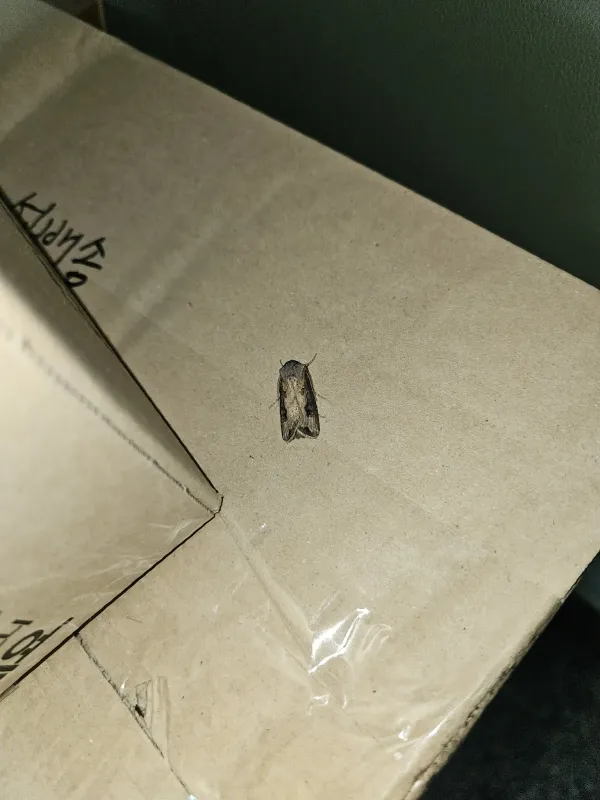
Description
How to identify
The Tokyo cutworm (Agrotis tokionis) belongs to the Noctuidae family within the order Lepidoptera. It is a significant soil-dwelling pest that poses a threat to various high-value crops.
The adult moth is characterized by a wingspan of approximately 35–40 mm. Its forewings exhibit cryptic coloration, ranging from gray to brown, which helps the moth camouflage against the soil surface during the day.
The larvae, known as cutworms, have a robust, cylindrical body with smooth skin. They typically appear earthy-gray or brownish, allowing them to remain inconspicuous in the topsoil layers.
Pupation occurs within the soil, where the pupa stays protected. The pupae are typically reddish-brown, shiny, and found at a depth of 10 to 15 centimeters.
Agronomists identify the presence of this pest primarily through pheromone-baited traps, which attract male moths and indicate the timing of the flight period for targeted control.
What it damages
This species is a polyphagous pest, meaning it attacks a wide range of plants. Key affected crops include vegetables like carrots, beets, cabbage, onions, and potatoes, as well as field crops.
Young larvae initially feed on the surface leaves, creating holes. As they mature, they shift their feeding habits to the base of the stems, causing the plants to topple over.
The most severe damage occurs when larvae feed on the roots or underground stems. This disrupts the plant's nutrient uptake, leading to rapid wilting and plant death.
Root crops are particularly vulnerable; larvae bore deep cavities into the flesh, significantly reducing the quality of the harvested produce and making it prone to market rejection.
Secondary infections are common, as the tunnels carved by the larvae promote the invasion of soft rot bacteria and fungi, which can destroy the remaining portions of the root system.
When it appears
Adult moths typically emerge during the summer months, with the peak flight period occurring between June and August, depending on local temperatures and rainfall.
Eggs are deposited in small clusters on weeds or the moist surface of the soil. Moisture is a critical factor, as dry soil can decrease the survival rate of newly hatched larvae.
After hatching, the larvae undergo several instars. The speed of their growth is closely linked to the availability of succulent vegetation and the ambient soil temperature.
Winter survival is managed by the larvae, which burrow deep into the soil (up to 25 cm) during their middle instars to escape freezing temperatures.
Upon the arrival of spring, as soil temperatures rise above 10 degrees Celsius, the larvae migrate to the upper layers to resume feeding on germinating seeds and young seedlings.
Signs of infestation
A primary indicator of a cutworm infestation is the sudden wilting of otherwise healthy plants during the heat of the day, despite adequate moisture in the soil.
Inspection of the plant base often reveals a severed stem, causing the entire plant to collapse. This "cutting" behavior is the hallmark of this pest.
Fine, dark granular fecal pellets found on the soil surface surrounding the base of the plant are a clear sign of active larval feeding nearby.
In root vegetables, one might observe entry holes leading to internal chambers. These cavities are often hidden until the crop is harvested or checked closely.
Digging into the soil within a 5 cm radius of a wilted plant often reveals the larva, which usually curls into a characteristic C-shape when disturbed.
Control measures
Effective management requires an integrated approach that combines cultural, biological, and chemical strategies to reduce the population density below the economic threshold.
- Deep autumn plowing to bring larvae to the surface for desiccation or predator consumption.
- Rigorous weed management, as weeds serve as alternative hosts for early-stage larvae.
- Implementation of diverse crop rotations to disrupt the cutworm's life cycle.
- Use of biological control agents, such as entomopathogenic nematodes or bacteria.
- Targeted application of insecticides during the evening hours when larvae are most active on the surface.
Chemical control should be timed carefully. Applying treatments in the late evening increases the likelihood of direct contact with the larvae, improving efficacy.
Monitoring for threshold levels is essential to avoid unnecessary chemical applications and to preserve the natural predator populations within the field ecosystem.
Taxonomy
- Latin name
- Agrotis tokionis
- Order
- Lepidoptera (butterflies)
- Family
- Noctuidae
- EPPO code
- AGROTO
Discussion
No discussions yet — be the first.