
Pale western cutworm
Agrotis orthogonia
Description
How to identify
The pale western cutworm is a moth species belonging to the order Lepidoptera and the Noctuidae family, widely recognized as a serious agricultural pest.
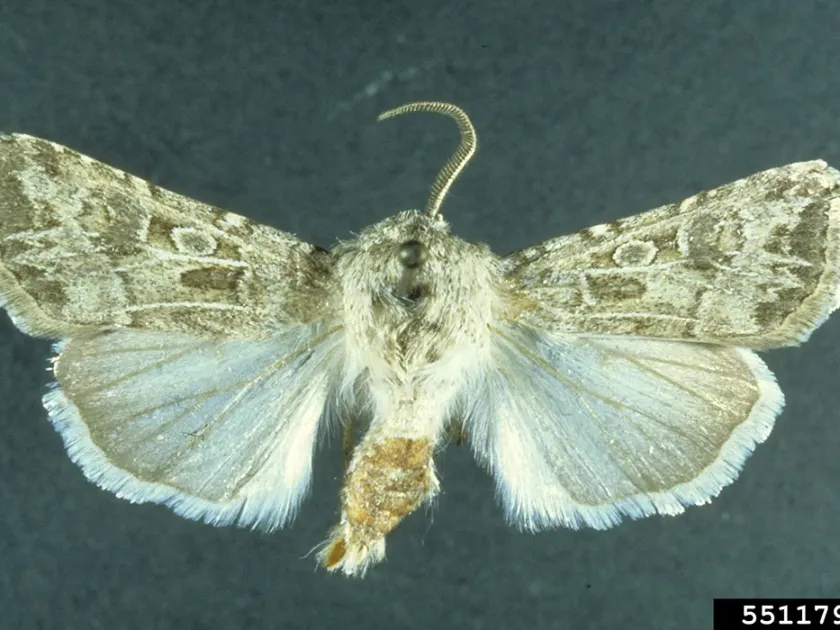
Adult moths feature wingspans of approximately 30 to 35 mm, with forewings showing pale grey or yellowish-brown patterns that help them blend with soil.
The larvae, which are the primary destructive stage, have a pale, earth-coloured body with a smooth skin and a distinctively coloured head capsule.
Pupation occurs within a specialized cell made of soil, deep enough to protect the insect from environmental fluctuations and predator access.
As nocturnal insects, the moths are active during the night, while larvae remain burrowed in the top layers of soil throughout the daytime hours.
What it damages
This species primarily attacks small grain crops, including wheat, barley, and oats, which are sensitive to root and stem damage.
The larvae feed on the underground parts of the plant, often severing the stem at the base, which leads to immediate plant wilting and death.
In addition to cereals, the pest can inhabit areas with certain broadleaf crops, showing versatility in its feeding habits across different habitats.
Severe infestations often result in large patches of missing crops, significantly reducing the overall yield and requiring reseeding efforts.
The damage is particularly devastating during dry spring seasons when plants lack the vigor to withstand root system destruction.
When it appears
The life cycle of the pale western cutworm is synchronized with the agricultural calendar, typically involving a single generation per year.
Adult moths emerge in mid to late summer, typically between July and August, to mate and deposit eggs in loose, dry soil surfaces.
The insects overwinter as eggs buried in the soil, entering a dormant stage that protects them against harsh winter temperatures.
During the spring, as temperatures rise, the eggs hatch into larvae that immediately begin feeding on newly sprouted cereal seedlings.
The larval stage lasts until the early summer, after which they prepare for pupation and eventually emerge as adults to restart the cycle.
Signs of infestation
The primary symptom of an infestation is the appearance of thinned plant stands and wilting seedlings that seem to have no apparent cause.
Inspecting the soil around affected plants often reveals chewed stems or completely cut seedlings that indicate larval presence.
Presence of small, funnel-shaped holes in the soil surface serves as a direct indicator of larval tunnels where they retreat during the day.
Night-time scouting using flashlights can reveal larvae actively feeding on the stems and leaves of nearby plants.
- Wilting plants that pull easily out of the soil.
- Missing patches of crops within a field.
- Visible gnawing marks on the plant base near the soil line.
Control measures
Effective management begins with proper field preparation, including cultivation practices that disturb the soil and reduce larval populations.
Maintaining a strict crop rotation schedule helps break the life cycle by removing the specific host plants required by the larvae.
Weed management is crucial, as uncontrolled vegetation in the field margins provides alternative food sources and shelter for the larvae.
Chemical control involving insecticide application is recommended when the number of larvae exceeds the established economic injury threshold.
Applications should be timed for the late evening or night, ensuring the insecticide contacts the larvae as they surface to feed.
Taxonomy
- Latin name
- Agrotis orthogonia
- Order
- Lepidoptera (butterflies)
- Family
- Noctuidae
- EPPO code
- AGROOR
Discussion
No discussions yet — be the first.