
Agrochola
Agrochola
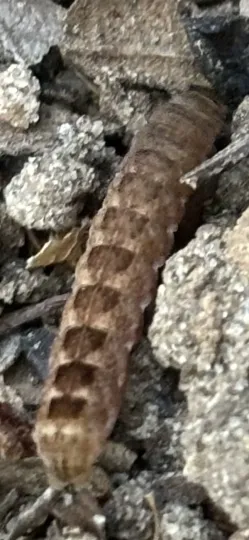
Description
How to identify
The genus Agrochola belongs to the Noctuidae family within the order Lepidoptera. These moths are typically nocturnal and medium-sized, with a cryptic coloration that blends in with their surroundings.
The larvae, known as caterpillars, have a cylindrical body covered in sparse hairs. Their color ranges from grayish-green to brown, providing excellent camouflage against tree bark and foliage.
The head of the larva is well-developed with strong mandibles, perfectly adapted for feeding on the tough tissues of buds and young leaves of their host plants.
Their life cycle consists of complete metamorphosis: egg, larva, pupa, and adult. Eggs are generally the overwintering stage, often laid on the twigs of host trees.
Identification is challenging due to the caterpillar's secretive nature; they tend to hide in bark crevices or among curled leaves during the day, becoming active only at night.
What it damages
This pest attacks a variety of woody plants and shrubs. It is particularly damaging to fruit trees, including apples, pears, cherries, and plums.
In early spring, larvae feed on developing buds, consuming the internal contents. This activity can drastically reduce potential fruit yields before the tree has even blossomed.
As the season progresses, the caterpillars move to young leaves and buds, skeletonizing the foliage or completely destroying developing flowers, which weakens the overall health of the tree.
Beyond orchards, some species can cause significant damage in forest nurseries and saplings, especially when population numbers are high.
Young trees are at highest risk, as damage to terminal buds can disrupt the normal development of the crown and lead to stunted growth.
When it appears
The activity of the larvae is closely synchronized with the phenological stages of the host plants. Feeding starts in early spring during the bud swelling and burst phases.
Larval emergence occurs when average daily temperatures rise above 8-10 degrees Celsius, marking them as some of the first pests to appear in the spring.
Adult moths are primarily active in the autumn months. They fly until the first hard frosts, during which time they mate and deposit eggs for the following year.
Typically, there is one generation per year. Population density is heavily influenced by the weather conditions during the autumn egg-laying period and winter survival rates.
Early spring is the most critical time for monitoring, as the larvae emerge exactly when the trees are at their most vulnerable state.
Signs of infestation
The first sign of infestation is the presence of damaged buds that fail to open or show characteristic feeding holes and partially consumed tissue.
Frass (larval droppings) visible on leaves or branches is a clear indicator that caterpillars are present in the tree canopy, even if they are not immediately seen.
Night inspections using a flashlight often reveal larvae actively feeding on young shoots and foliage, as this is their primary window of activity.
Curled, skeletonized, or notched leaves are common symptoms of activity by larvae of the Noctuidae family, including those of the Agrochola genus.
Premature dropping of buds and slowed growth of new shoots are secondary symptoms that warrant a more thorough inspection of the canopy.
Control measures
The primary control strategy is the application of insecticides during the bud-burst stage, when larvae are most vulnerable to treatment.
- Utilizing biological control agents based on Bacillus thuringiensis for eco-friendly pest reduction.
- Applying contact or systemic insecticides if monitoring indicates that the population exceeds the economic threshold.
- Installing physical sticky bands on tree trunks to prevent caterpillars from migrating into the canopy.
- Autumn maintenance, including clearing debris and removing loose bark, to destroy potential egg-laying sites.
Promoting natural predators, such as insectivorous birds and parasitic insects, helps keep population numbers in check under natural conditions.
Regular orchard scouting in early spring allows for timely intervention, protecting the crop from significant losses caused by bud damage.
Taxonomy
- Latin name
- Agrochola
- Order
- Lepidoptera (butterflies)
- Family
- Noctuidae
- EPPO code
- AGRKSP
Discussion
No discussions yet — be the first.